
 100% FREE ACCESS
12th Standard Syllabus & Materials
12th Standard
TN 12th Maths Applications of Matrices and Determinants Sample Question Papers Study Material - QB365 Set A
NEW12th Standard
TN 12th Computer Applications மின்னணு தரவு பரிமாற்றம் Sample Question Papers Study Material - QB365 Set A
NEW12th Standard
TN 12th Computer Applications மின் - வணிக பாதுகாப்பு அமைப்புகள் Sample Question Papers Study Material - QB365 Set A
NEW12th Standard
TN 12th Computer Applications மின்னணு செலுத்தல் முறைகள் Sample Question Papers Study Material - QB365 Set A
NEW12th Standard
TN 12th Computer Applications மின் - வணிகம் Sample Question Papers Study Material - QB365 Set A
NEW12th Standard
TN 12th Computer Applications திறந்த மூல கருத்துருக்கள் Sample Question Papers Study Material - QB365 Set A

Published on: 29/09/2020
12th Standard Biology English Medium Sample 5 Mark Creative Questions (New Syllabus 2020)
Download Tamil Nadu 12th Standard Biology question papers, model tests, one-mark questions, important questions, and public exam papers in PDF format. Free study materials and answer keys for TN State Board students.
Questions + Answers key
Take MCQ Biology Test1.
Describe Hershey and Chase experiment. What is concluded by their experiment?
2.
Describe in detail on population interaction.
3.
How microbes are used in Gobar gas production?
4.
Write in detail about various types of antigen-antibody reactions.
5.
List out the uses of Transgenesis
6.
Explain Agarose Gel electrophoresis technique.
7.
Give a detailed account on various natural methods of contraception.
8.
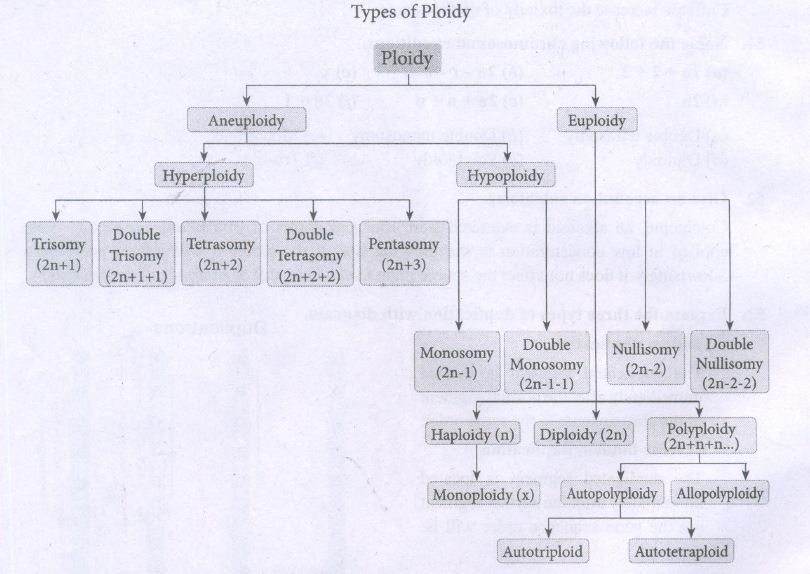
Draw a flow chart depicting the various types of ploidy.
9.
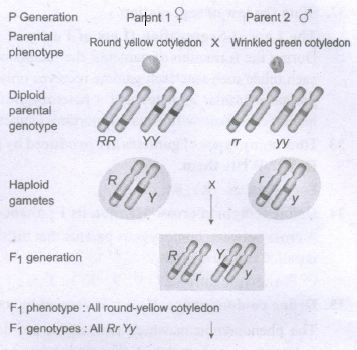
Explain Dihybrid cross in pea plant.
10.
Give the characteristic features of Anemophilous plants.
11.
Explain various steps involved in decomposition (or) Write the steps involved in the mechanism decomposition.
12.
Point out any five morphological adaptations of epiphytes.
13.
Explain the steps involved in protoplast culture.
14.
Give a comparative account on Seaweed liquid fertilizer.
15.
Write a comparative note on Carbon Foot Print (CFP).
16.
Explain the stepwise preparation of Bio-pest repellent from the leaves of Azadirachta indica
17.
Explain about the objections to Darwinism.
18.
How can air pollution be controlled?
19.
Write a note on gene banks
20.
Write a note a extra embryonic membranes.
21.
22.
Write a note on allosomal chromosomal abnormalities.
23.
Tabulate the types of Innate immunity and explain the mechanism involved.
1.
Alfred Hershey and Martha Chase (1952) conducted experiments on bacteriophages that infect bacteria. Phage T2 is a virus that infects the bacterium Escherichia coli. When phages (virus) are added to bacteria, they adsorb to the outer surface, some material enters the bacterium, and then later each bacterium lyses to release a large number of progeny phage. Hershey and Chase wanted to observe whether it was DNA or protein that entered the bacteria. All nucleic acids contain phosphorus and contain sulphur (in the amino acid cysteine and methionine). Hershey and Chase designed an experiment using radioactive isotopes of Sulphur (35S) and phosphorus (32P) to keep separate track of the viral protein and nucleic acids during the infection process. The phages were allowed to infect bacteria in culture medium which containing the radioactive isotopes 35Sor 32p. The bacteriophage that grew in the presence of 35Shad labelled proteins and bacteriophages grown in the presence of 32p had labelled DNA. The differential labelling thus enabled them to identify DNA and proteins of the phage. Hershey and Chase mixed the labelled phages with unlabeled E. coli and allowed bacteriophages to attack and inject their genetic material. Soon after infection (before lysis of bacteria), the bacterial cells were gently agitated in a blender to loosen the adhering phase particles. It was observed that only 32p was found associated with bacterial cells and 35S was in the surrounding medium and not in the bacterial cells. When phage progeny was studied for radioactivity, it was found that it carried only 32p and not 35S. These results clearly indicate that only DNA and not protein coat entered the bacterial cells. Hershey and Chase thus conclusively proved that it was DNA, not protein, which carries the hereditary information from virus to bacteria.
2.
Organisms belonging to different populations interact for food, shelter, mating or for other necessities. Interaction may be intra specific (interaction within the members of same species) or interspecific (among organisms of different species).
Intraspecific association is observed for all livelihood processes like feeding, territoriality, breeding, and protection.
Interspecific associations or interactions can be:
Neutral: Where different species live together but do not affect each other.
Positive: It is a symbiotic relationship ill which no organism in association is harmed and either one or both may be benefitted. It is of two types - Mutualism and Commensalism.
Negative: One or both of the interacting organisms will be affected as in case of competition, predation, and parasitism.
3.
Biogas is a mixture of different gases produced by the breakdown of organic matter in the absence of oxygen. Biogas can be produced from raw materials such as agricultural wastes, manure, municipal wastes, plant material, sewage, food waste, etc., Biogas is produced under the anaerobic condition when the organic materials are converted through microbiological reactions into gas and organic fertilizer. Biogas primarily consists of methane (63 percent), along with CO2 and hydrogen. Methane-producing bacteria are called methanogens and one such common bacterium is Methanobacterium. Biogas is devoid of smell and bums with a blue flame without smoke. The Methanogens are also present in anaerobic sludge and rumen of cattle. In the rumen, these bacteria help in the breakdown of cellulose. The excreta of cattle called dung is commonly called "Gobar". Gobar gas is generated by the anaerobic decomposition of cattle dung. It consists of methane, CO2 with some hydrogen, nitrogen and other gases in trace amounts.
In a biogas plant, anaerobic digestion is carried out in an airtight cylindrical tank known as digester. It is made up of concrete bricks and cement or steel. Bio-wastes are collected and a slurry of dung is fed into this digester. It has a side opening into which organic materials for digestion are incorporated for microbial activity. Anaerobic digestion is accomplished in three stages: solubilisation, acidogenesis, and methanogens. The outlet is connected to a pipe to supply biogas. The slurry is drained through another outlet and is used as fertilizer. Biogas is used for cooking and lighting. The technology of biogas production was developed in India mainly due to the efforts of the Indian Agricultural Research Institute (IARl) and Khadi and Village Industries Commission (KVIC).
4.
Different types of antigen and antibody reactions: The reaction between soluble antigen and antibody leads to the visible precipitate formation, which is called a precipitin reaction. Antibodies that bring about precipitate formation on reacting with antigens are called as precipitins. Whenever a particulate antigen interacts with its antibody, it would result in clumping or agglutination of the particulate antigen, which is called agglutination reaction. The antibody 'involved in bringing about agglutination reaction is called agglutinin. Opsonisation or enhanced attachment is the process by which a pathogen is marked of ingestion and destruction by a phagocyte. Opsonization involves the binding of an opsonin i.e., antibody, to a receptor on the pathogens. cell membrane. After opsonin binds to the membrane, phagocytes are attracted to the pathogen. So, opsonization is a process in which pathogens are coated with a substance called an opsonin, marking the pathogen out for destruction by the immune system. This results in a much more efficient phagocytosis. The neutralization reactions are the reactions of antigen-antibody that involve the elimination of the harmful effects of bacterial exotoxins or a virus by specific antibodies. These neutralizing substances i.e. antibodies are known. as antitoxins. This specific antibody is produced by a host cell in response to a bacterial exotoxin or corresponding toxoid (inactivated toxin).
5.
1. Transgenesis is a powerful tool to study gene expression and developmental processes in higher organisms.
2. Transgenesis helps in the improvement of genetic characters in animals. Transgenic animals serve as good models for understanding human diseases which help in the investigation of new treatments for diseases. Transgenic models exist for many human diseases such as cancer, Alzheimer's, cystic fibrosis, rheumatoid arthritis and sickle cell anemia.
3. Transgenic animals are used to produce proteins which are important for medical and pharmaceutical applications.
4. Transgenic mice are used for testing the safety of vaccines.
5. Transgenic animals are used for testing toxicity in animals that carry genes which make them sensitive to toxic substances than non-transgenic animals exposed to toxic substances and their effects are studied.
6. Transgenesis is important for improving the quality and quantity of milk, meat, eggs and wool production in addition to testing drug resistance.
6.
Agarose Gel Electrophoresis is used mainly for the purification of specific DNA fragments. Agarose is convenient for separating DNA fragments ranging in size from a few hundred to about 20000 base pairs. Polyacrylamide is preferred for the purification of smaller DNA fragments. The gel is complex network of polymeric molecules. DNA molecule is negatively charged molecule - under an electric field DNA molecule migrates through the gel. The electrophoresis is frequently performed with marker DNA fragments of known size which allow accurate size determination of an unknown DNA molecule by interpolation. The advantages of agarose gel electrophoresis are that the DNA bands can be readily detected at high sensitivity. The bands of DNA in the gel are stained with the dye Ethidium Bromide and DNA can be detected as visible fluorescence illuminated in UV light will give orange fluorescence, which can be photographed.
7.
Natural method is used to prevent meeting of sperm with ovum. i.e., Rhythm method (safe period), coitus interruptus, continuous abstinence and lactational amenorrhoea.
a. Periodic abstinence/rhythm method: Ovulation occurs at about the 14th day of the menstrual cycle. Ovum survives for about two days and sperm remains alive for about 72 hours in the female reproductive tract. Coitus is to be avoided during this time.
b. Continuous abstinence is the simplest and most reliable way to avoid pregnancy is not to have coitus for a defined period that facilitates conception.
c. Coitus interruptus is the oldest family planning method. The male partner withdraws his penis before ejaculation, thereby preventing deposition of semen into the vagina.
d. Lactational amenorrhoea : Menstrual cycles resume as early as 6 to 8 weeks from parturition. However, the reappearance of normal ovarian cycles may be delayed for six months during breast-feeding. This delay in ovarian cycles is called lactational amenorrhoea. It serves as a natural, but an unreliable form of birth control. Suckling by the baby during breast-feeding stimulates the pituitary to secrete increased prolactin hormone in order to increase milk production. This high prolactin concentration in the mother's blood may prevent menstrual cycle by suppressing the release of GnRH (Gonadotropin Releasing Hormone) from hypothalamus .and gonadotropin secretion from the pituitary.
8.
9.
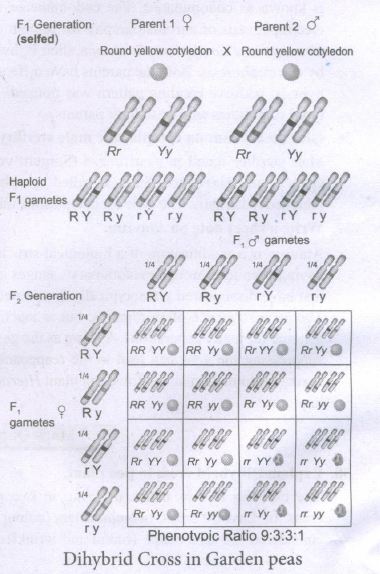
The crossing of two plants differing in two pairs of contrasting traits is called dihybrid cross. In a dihybrid cross, two characters (colour and shape) are considered at a time. Mendel considered the seed shape (round and wrinkled) and cotyledon colour (yellow & green) as the two characters. In seed shape round (R) is dominant over wrinkled (r); in cotyledon colour yellow (Y) is dominant over green (y). Hence the pure breeding round yellow parent is represented by the genotype RRYY and the pure breeding green wrinkled parent is represented by the genotype rryy. During gamete formation the paired genes of a character assort out independently of the other pair. During the F1 x F1 fertilization each zygote with an equal probability receives one of the four combinations from each parent. The resultant gametes thus will be genetically different and they are of the following four types:
1) Yellow round (YR)- 9/16
2) Yellow wrinkled (Yr)- 3/16
3) Green round (yR) - 3/16
4) Green wrinkled(yr) - 1/16
These four types of gametes of F1 dihybrids unite randomly in the process of fertilization and produce sixteen types of individuals in F2 in the ratio of 9 : 3 : 3 : 1 as shown in the figure. Mendel's 9:3:3:1 dihybrid ratio is an ideal ratio based on the probability including segregation, independent assortment and random fertilization. In sexually reproducing organism / plants from the garden peas to human beings, Mendel's findings laid the foundation for understanding inheritance and revolutionized the field of biology. The dihybrid cross and its result led Mendel to propose a second set of generalisations that we called Mendel's Law of independent assortment.
10.
Anemophilous plants have the following characteristic features:
(i) The flowers are produced in pendulous, catkin-like or spike inflorescence.
(ii) The axis of inflorescence elongates so that the flowers are brought well above the leaves.
(iii) The perianth is absent or highly reduced.
(iv) The flowers are small, inconspicuous, colourless, not scented, do not secrete nectar.
(v) The stamens are numerous, filaments are long, exerted and versatile.
(vi) Anthers produce enormous quantities of pollen grains compared to a number of ovules available for pollination. They are minute, light and dry so that they can be carried to long distances by wind.
(vii) In some plants, anthers burst violently and release the pollen into the air. Example: Urtica.
(viii) Stigmas are comparatively large, protruding, sometimes branched and feathery, adapted to catch the pollen grains. Generally, a single ovule is present.
(ix) The plant produces flowers before the new leaves appear, so the pollen can be carried without hindrance of leaves.
11.
Mechanism of decomposition
Decomposition is a step wise process of degradation mediated by enzymatic reactions.
Detritus acts as a raw material for decomposition.
It occurs in the following steps.
(a) Fragmentation - The breaking down of detritus into smaller particles by detritivores like bacteria, fungi and earth worm is known as fragmentation. These detritivores secrete certain substances to enhance the fragmentation process and increase the surface area of detritus particles.
(b) Catabolism - The decomposers produce some extracellular enzymes in their surroundings to break down complex organic and inorganic compounds in to simpler ones. This is called catabolism.
(c) Leaching or Eluviation - The movement of decomposed, water soluble organic and inorganic compounds from the surface to the lower layer of soil or the carrying away of the same by water is called leaching or eluviation.
(d) Humification - It is a process by which simplified detritus is changed into dark coloured amorphous substance called humus. It is highly resistant to microbial action, therefore decomposition is very slow. It is the reservoir of nutrients.
(e) Mineralisation - Some microbes are involved in the release of inorganic nutrients from the humus of the soil, such process is called mineralisation.
12.
Morphological adaptations:
Root system is extensively developed. These roots may be of two types. They are Clinging roots and Aerial roots.
Clinging roots fix the epiphytes firmly on the surface of the supporting objects.
Aerial roots are green coloured roots which may hang downwardly and absorb moisture from the atmosphere with the help of a spongy tissue called velamen.
1. Stem of some epiphytes are succulent and develop pseudo bulb or tuber.
2. Generally the leaves are lesser in number and may be fleshy and leathery.
3. Myrmecophily is a common occurrence in the epiphytic vegetation to prevent the predators
4. The fruits and seeds are very small and usually dispersed by wind, insects and birds.
13.
Protoplasts are cells without a cell wall, but bounded by a cell membrane or plasma membrane. Using protoplasts, it is possible to regenerate whole plants from single cells and also develop somatic hybrids. The steps involved in protoplast culture are:
i) Isolation of protoplast: Small bits of plant tissue like leaf tissue are used for isolation of protoplast. The leaf tissue is immersed in 0.5% Macrozyme and 2% Onozuka cellulase enzymes dissolved in 13% sorbitol or mannitol at pH 5.4. It is then incubated overnight at 25°C. After a gentle teasing of cells, protoplasts are obtained, and these are then transferred to 20% sucrose solution to retain their viability. They are then centrifuged to get pure protoplasts as different from debris of cell walls.
ii) Fusion of protoplast: It is done through the use of a suitable fusogen. This is normally PEG (Polyethylene Glycol). The isolated protoplast are incubated in 25 to 30% concentration of PEG with Ca++ ions and the protoplast shows agglutination (the formation of clumps of cells) and fusion.
iii) Culture of protoplast: MS liquid medium is used with some modification in droplet, plating or micro-drop array techniques, Protoplast viability is tested with fluorescein diacetate before the culture. The cultures are incubated in continuous light 1000-2000 lux at 25°C. The cell wall formation occurs within 24-48 hours and the first division of new cells occurs between 2-7 days of culture.
iv) Selection of somatic hybrid cells: The fusion product of protoplasts without nucleus of different cells is called a cybrid. Following this nuclear fusion happen. This process is called somatic hybridization.
14.
Seaweed liquid fertilizer (SLF) contains cytokinin, gibberellins, and auxin apart from macro and micro nutrients. Most seaweed-based fertilizers are made from kelp (brown algae) which grows to length of 150 metres. Liquid seaweed fertilizer is not only organic but also eco-friendly. The alginates in the seaweed that reacts with metals in the soil and form long, crosslinked polymers in the soil. These polymers improve the crumbing in the soil, swell up when they get wet and retain moisture for a long time. They are especially useful in organic gardening which provides carbohydrates for plants. Seaweed has more than 70 minerals, vitamins and enzymes. It promotes vigorous growth. Improves resistance of plants to frost and disease. Seeds soaked in seaweed extract germinate much rapidly and develop a better root system.
15.
Every human activity leaves a mark just like our footprint. This Carbon footprint is the total amount of greenhouse gases produced by human activities such as agriculture, industries, deforestation, waste disposal, burning fossil fuels directly or indirectly. It can be measured for an individual, family, organization like industries, state level or national level. It is usually estimated and expressed in equivalent tons of CO2 per year. The burning of fossil fuels releases CO2 and other greenhouse gases. In turn, these emissions trap solar energy and thus increase the global temperature resulting in ice melting, submerging of low lying areas and imbalance in nature Iike cyclones, tsunamis, and extreme weather conditions. To reduce the carbon footprint we can follow some practices like
(i) Eating indigenous fruits and products
(ii) Reduce use of your electronic devices
(iii) Reduce traveling
(iv) Do not buy fast and preserved, processed, packed foods.
(v) Plant a garden
(vi) Less consumption of meat and seafood. Poultry requires little space, nutrients and less pollution comparing cattle farming.
(vii) reduce the use of Laptops (when used for 8 hours, it releases nearly 2 kg. of CO2 annually)
(viii) Line dry your clothes. (Example: If you buy imported fruit like kiwi, indirectly it increases CFP. How? The fruit has traveled a long distance in shipping or airliner thus emitting tons of CO2)
16.
Botanical pest repellent and insecticide made with the dried leaves of Azadirachta indica Preparation of Bio-pest repellent
(i) Pluck leaves from the neem tree and chop the leaves finely.
(ii) The chopped up leaves were put in a 50-liter container and fill to half with water; put the lid on and leave it for 3 days to brew.
(iii) Using another container, strain the mixture which has brewed for 3 days to remove the leaves, through fine mesh sieve. The filtrate can be sprayed on the plants to repel pests.
(iv) To make sure that the pest repellent sticks to the plants, add 100 ml of cooking oil and the same amount of soap water. (The role of the soap water is to break down the oil, and the role of the oil is to make it stick to the leaves).
(v) The stewed leaves from the mixture can be used in the compost heap or around the base of the plants.
17.
Objections to Darwinism: Some objections raised against Darwinism were -
(i) Darwin failed to explain the mechanism of variation.
(ii) Darwinism explains the survival of the fittest but not the arrival of the fittest.
(iii) He focused on small fluctuating variations that are mostly non-heritable.
(iv) He did not distinguish between somatic and germinal variations.
(v) He could not explain the occurrence of vestigial organs, over specialization of some organs like large tusks in extinct mammoths, oversized antlers in the extinct Irish deer, etc.,
18.
Certain measures help to remove pollutants, reduce their presence or prevent their entry into the atmosphere.
(i) Trees are the best remedy for urban particulate and gaseous pollution.
(ii) Forests act as carbon sinks and lungs of the planet.
(iii) Catalytic converters in vehicles help to reduce polluting gases drastically.
(iv) Diesel exhaust filters in automobiles cuts particulates
(v) Electrostatic precipitators reduce, release of industrial pollutants.
(vi) Cost effective air pollution treatment systems like indoor plants and high performance biofertilizers can improve indoor air quality.
(vii) Road traffic rationing, encourage public transport, carpooling.
(viii) Increase green cover alongside roads (planting avenue trees).
(ix) Promoting 'Swachh Bharat Abhiyan'.
(x) Enactment and Enforcement of stricter environmental laws
(xi) Maintenance of air standards by proper enforcement and monitoring
(xii) Reducing carbon emissions
(xiii) Encourage use of renewable energy
(xiv) Limiting the sale of firecrackers and developing eco-friendly crackers
(xv) Make Environmental Impact Assessment mandatory
(xvi) Air Quality Index (AQI) is a number used by government agencies to communicate to the public how polluted the air is at a given time.
19.
(i) Gene banks are a type of biorepository which preserve genetic materials. Seeds of different genetic strains of commercially important plants can be stored in long periods in seed banks, gametes of threatened species can be preserved in viable and fertile condition for long periods using cryopreservation techniques.
(ii) However, it is not economically feasible to conserve all biological wealth and all the ecosystems. The number of species required to be saved from extinction far exceeds the conservation efforts.
20.
The extra embryonic membranes namely the amnion, yolk sac allantois and chorion protect the embryo from dessication, mechanical shock and help in the absorption of nutrients and exchange of gases.
Amnion
The amnion is a double layered translucent membrane filled with the amniotic fluid. It provides a buoyant environment to protect the developing embryo from injury, regulates the temperature of the foetus and provides a medium in which the foetus can move.
Yolk sac:
The yolk sac forms a part of the gut and is the source of the earliest blood cells and blood vessels.
Allantois:
The allantois is an extra embryonic membrane which forms a small out pocketing of embryonic tissue at the caudal end of the yolk sac. It is the structural base for the umbilical cord that links the embryo to the placenta and ultimately it becomes part of the urinary bladder.
Chorion:
The chorion is the outermost membrane which encloses the embryo and all other membranes and also helps in the formation of the placenta.
Chorionic Villi:
The trophoblast cells in the blastocyst send out several finger like projections called chorionic villi carrying foetal blood and are surrounded by sinuses that contain maternal blood. The chorionic villi and the uterine tissues form the disc-shaped placenta.
Placenta:
Placenta is a temporary endocrine organ formed during pregnancy and it connects the foetus to the uterine wall through the umbilical cord. It is the organ by which the nutritive, respiratory and excretory functions are fulfilled.
21.
22.
Mitotic or meiotic non-disjunction of sex chromosomes causes allosomal abnormalities. Several sex chromosomal abnormalities have been detected. Eg. Klinefelter's syndrome and Turner's syndrome.
i) Klinefelter's Syndrome (XXY Males)
This genetic disorder is due to the presence of an additional copy of the X chromosome resulting in a karyotype of 47,XXY. Persons with this syndrome have 47 chromosomes (44AA+XXY). They are usually sterile males, tall, obese, with long limbs, high pitched voice, under developed genitalia and have feeble breast (gynecomastia) development.
(ii) Turner's Syndrome (XO Females)
This genetic disorder is due to the loss of a X chromosome resulting in a karyotype of 45, X. Persons with this syndrome have 45 chromosomes (44 auto somes and one X chromosome) (44AA+XO) and are sterile females. Low stature, webbed neck, under developed breast, rudimentary gonads lack of menstrual cycle during puberty, are the main symptoms of this syndrome.
23.
| Types of innate immunity | Mechanism |
| 1. Anatomical barriers | |
| Skin | Prevents the entry of microbes. Its acidic environment (pH 3-5) retards the growth of microbes. |
| Mucus membrane | Mucus entraps foreign microorganisms and competes with microbes for attachment. |
| 2. Physiological barriers | |
| Temperature | Normal body temperature. inhibits the growth of pathogens. Fever also inhibits the growth of pathogens. |
| Low pH | Acidity of gastric secretions (HCl) kills most ingested microbes. |
| Chemical mediators | Lysozyme acts as antibacterial agent and cleaves the bacterial cell wall. Interferons induce antiviral state in the uninfected cells. Complementary substances produced from leucocytes lyse the pathogenic microbes or facilitate phagocytosis. |
| 3. Phagocytic barriers | Specialized cells (Monocytes, neutrophils, tissue macrophages) phagocytose, and digest whole micro organisms. |
| 4. Inflammatory barriers | Tissue damage and infection induce leakage of vascular fl uid, containing chemotactic signals like serotonin, histamine and prostaglandins. They influx the phagocytic cells into the affected area. This phenomenon is called diapedesis. |

12th Standard Syllabus & Materials
12th Standard
TN 12th Computer Applications வலையமைப்பு வடமிடல் Sample Question Papers Study Material - QB365 Set A
NEW12th Standard
TN 12th Computer Applications களப்பெயர் முறைமை (DNS) Sample Question Papers Study Material - QB365 Set A
NEW12th Standard
TN 12th Computer Applications வலையமைப்பு எடுத்துக்காட்டுகள் மற்றும் நெறிமுறைகள் Sample Question Papers Study Material - QB365 Set A
NEW12th Standard
TN 12th Computer Applications கணினி வலையமைப்பு ஓர் அறிமுகம் Sample Question Papers Study Material - QB365 Set A



Tamilnadu Stateboard 12th Standard Subjects

Maths

Chemistry

Physics
Biology

Computer Science

Business Maths and Statistics

Economics

Commerce

Accountancy

History

Computer Applications
Biology
Computer Technology
Computer Applications
Computer Science
Business Maths and Statistics
Commerce
Economics
Maths
Chemistry
Physics
Computer Technology
History
Accountancy

Tamil

English

French
Tamilnadu Stateboard Standards

