
 100% FREE ACCESS
12th Standard Syllabus & Materials
12th Standard
TN 12th Computer Applications மின்னணு தரவு பரிமாற்றம் Sample Question Papers Study Material - QB365 Set A
NEW12th Standard
TN 12th Computer Applications மின் - வணிக பாதுகாப்பு அமைப்புகள் Sample Question Papers Study Material - QB365 Set A
NEW12th Standard
TN 12th Computer Applications மின்னணு செலுத்தல் முறைகள் Sample Question Papers Study Material - QB365 Set A
NEW12th Standard
TN 12th Computer Applications மின் - வணிகம் Sample Question Papers Study Material - QB365 Set A
NEW12th Standard
TN 12th Computer Applications திறந்த மூல கருத்துருக்கள் Sample Question Papers Study Material - QB365 Set A
NEW12th Standard
TN 12th Computer Applications வலையமைப்பு வடமிடல் Sample Question Papers Study Material - QB365 Set A

Published on: 05/09/2022
QB365 provides a detailed and simple solution for every Possible Creative Questions in Class 12 Computer Applications Subject -Introduction to Hypertext Pre-Processor, English Medium. It will help Students to get more practice questions, Students can Practice these question papers in addition to score best marks.
Download Tamil Nadu 12th Standard Computer Applications question papers, model tests, one-mark questions, important questions, and public exam papers in PDF format. Free study materials and answer keys for TN State Board students.
Questions + Answers key
Take MCQ Computer Applications Test
1.
How does the HTML web Response can be obtained while embed PHP in HTML?
2.
Explain about Client Server Architecture model in detail.
3.
What are the advantages of PHP?
4.
How can PHP embed in HTML - Explain it in detail arrd give the example?
5.
Draw and explain about website Request and Response from web server to browser.
6.
Explain the history of PHP in detail and How much percent PHP developed for websites?
7.
What are the three types of syntax in PHP? Explain them in detail.
1.
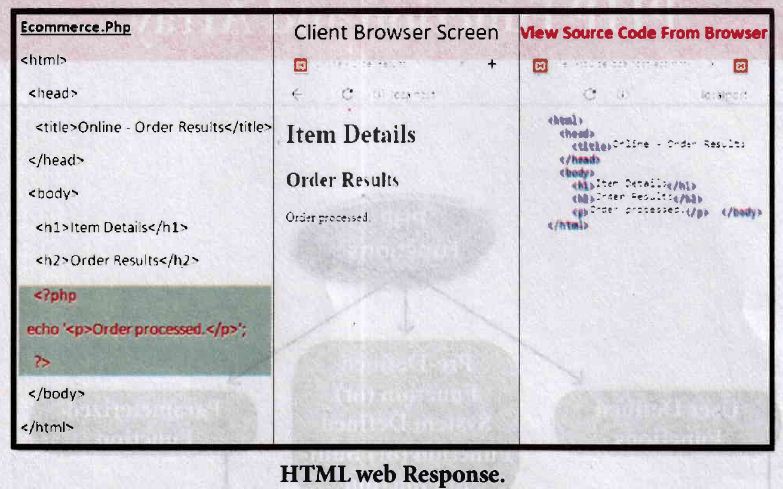
PHP script can be written inside of HTML code and save the file with extension of .php.
1. The embedded PHP file get executed in the webserver, the browser receives only the HTML and other client side files.
2. None of the raw PHP code is visible in browser which means that PHP interpreter produces raw HTML files to the browsers in the client machine.
2.
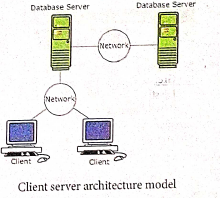
It is classified into three types such as
(i) Single Tier Architecture
(ii) Two Tier Architecture
(iii) Three/N/Multi Tier Architecture
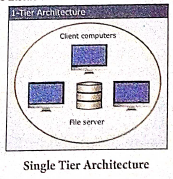
(i) Single Tier Architecture
It is used for the server accessed by client as single layer interaction.
Client application runs inside the server machine itself.
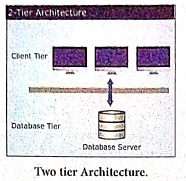
(ii) Two Tier Architecture
It is used for the server accessed by the client as two layer interactions such as client layer in tire one and server layer in tire two.
(iii) Three/Multi/N Tier Architecture
It is used for the server, accessed by the client through more than one layer interaction.
The programmer could decide the count of business logic layers according to the software requirement.
That is the reason this model is also known as Multi/Three Tier Architecture.
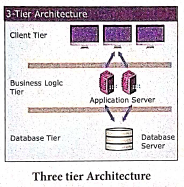
Most of the server side scripting language are working on any one of the client server architecture model.
3.
(i) PHP is an open source program.
(ii) It is a case sensitive.
(iii) It is platform Independent program language.
(iv) It is a security program language.
(v) It is real time access monitoring program language.
(vi) It is a efficiency program language.
(vii) PHP is a simplicity program.
(viii) And it is flexibility program language.
4.
PHP script can be written inside of HTML code and save the file with extension of .php.
1. The embedded PHP file get executed in the webserver, the browser receives only the HTML and other client side files.
2. None of the raw PHP code is visible in browser which means that PHP interpreter produces raw HTML files to the browsers in the client machine.
5.
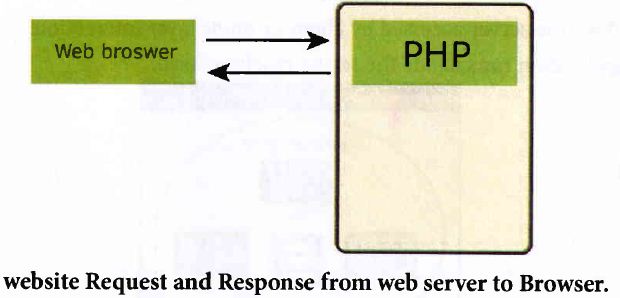
1. PHP code entirely executes on web server which is installed in the remote machine and it is generating HTML code which is sent to the user.
2. The user receives the HTML code and sees the Website contents via Internet browser in their computer or laptop.
3. PHP also supports OOPs concepts.
4. It is applicable to implement all OOPs features such as class, object and inheritance etc.
6.
PHP is one of the most important server side web and general purpose scripting language invented by Rasmus Lerdorf n 1994.
1. It is very simple and lightweight open source server side scripting language.
2. It can easily embed with FITML and other client side scripting language like CSS and java script [CSS - Cascading Style Sheets].
3. It also creates dynamic and interactive web pages in the real time web development proiects.
4. It is a competitor for other server side scripting languages like Microsoft ASP [Active Server Page].
5. 78.9% of website are developed by PHP scripting language.
7.
Default Syntax:
The default Syntax begins with " < ?php"and closes with "? > ".
.JPG)
Short open Tags
(i) The Short open Tags begins with " < ?" andcloses with "? > " .
(ii) But admin user has to enable Short style tags settings in php.ini file on the server.
.JPG)
HTML Script embed Tags:
HTML Script embed Tags looks just like HTML scripts tags.
.JPG)

12th Standard Syllabus & Materials
12th Standard
TN 12th Computer Applications களப்பெயர் முறைமை (DNS) Sample Question Papers Study Material - QB365 Set A
NEW12th Standard
TN 12th Computer Applications வலையமைப்பு எடுத்துக்காட்டுகள் மற்றும் நெறிமுறைகள் Sample Question Papers Study Material - QB365 Set A
NEW12th Standard
TN 12th Computer Applications கணினி வலையமைப்பு ஓர் அறிமுகம் Sample Question Papers Study Material - QB365 Set A
NEW12th Standard
TN 12th Computer Applications PHP-உடன் MySQL-ஐ இணைத்தல் Sample Question Papers Study Material - QB365 Set A



Tamilnadu Stateboard 12th Standard Subjects

Maths

Chemistry

Physics

Biology

Computer Science

Business Maths and Statistics

Economics

Commerce

Accountancy

History
Computer Applications
Biology
Computer Technology
Computer Applications
Computer Science
Business Maths and Statistics
Commerce
Economics
Maths
Chemistry
Physics
Computer Technology
History
Accountancy

Tamil

English

French
Tamilnadu Stateboard Standards
