
 100% FREE ACCESS
6th Standard CBSE Syllabus & Materials
6th Standard CBSE
CBSE 6th Social Science The Value of Work - New Sample Question Papers Study Material - QB365 Set A
NEW6th Standard CBSE
CBSE 6th Social Science Family and Community - New Sample Question Papers Study Material - QB365 Set A
NEW6th Standard CBSE
CBSE 6th Social Science India's Cultural Roots - New Sample Question Papers Study Material - QB365 Set A
NEW6th Standard CBSE
CBSE 6th Social Science India,That is Bharat - New Sample Question Papers Study Material - QB365 Set A
NEW6th Standard CBSE
CBSE 6th Social Science Timeline and sources of history - New Sample Question Papers Study Material - QB365 Set A
NEW6th Standard CBSE
CBSE 6th Social Science Oceans and Continents - New Sample Question Papers Study Material - QB365 Set A

Published on: 05/09/2019
Kingdoms, Kings and An Early Republic
Download CBSE Class 6th Standard CBSE Social Science question papers, sample papers, important questions, and previous year solved papers in PDF format. Get free study materials, NCERT solutions, and exam preparation resources for Class 6th Standard CBSE Social Science
Questions + Answers key
Take MCQ Social Science Test
1.
Answers the questions based on the given picture below.
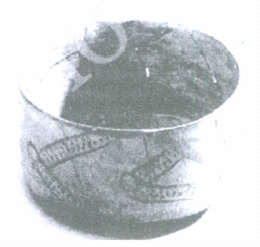
(i) From which metal these bowls were made?
(ii) When were these bowls used?
2.
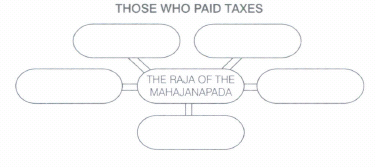
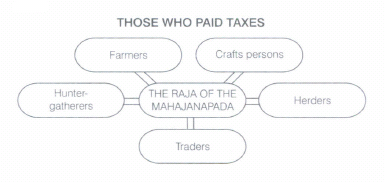
Fill in the chart given below with the terms: hunter-gatherers, farmers, traders, crafts persons, herders.
3.
Vish or Vaishyas
4.
Bhaga
5.
Digha Nikaya
6.
Vaishali
7.
Alexander
8.
Rajas who let the ashvamedha horse pass through their lands were invited to the sacrifice.
9.
Many rivers such as the Ganga and Son flowed through Vajji.
10.
Forests also provided wood for building houses, carts and chariots.
11.
There were also taxes on goods that were bought and sold, through trade.
12.
Farmers were also expected to pay taxes in the form of animals and animal produce.
13.
______ were paid reqularsalaries and maintained by ________ throughout the year.
14.
The ________ were expected to fight battles and protect people.
15.
The ordinary people, the ________ also brought gifts for the king.
16.
The _________ was a central figure in all the rituals.
17.
The first varna was that of the ________ who were expected to study (and teach) the Vedas.
18.
What were the characteristics of the earthen pots used by the people in janapadas?
19.
How was the varna system justified by the priests?
20.
What were the two major changes in agriculture that occurred at the time of mahajanapadas?
21.
Why was the capital city of mahajanapadas fortified?
22.
Who were the most powerful rulers of Magadha?
23.
Is there a crop in the list (rice, wheat, barley, pulses, sugarcane sesame and mustard)
24.
How some men became rulers?
25.
When Ajatasattu wanted to attack the Vajjis, whom did he send to seek the advice of the Buddha?
26.
Who could not participate in the assemblies of gana or sangha?
27.
Why did Ajatasattu send his minister to the Buddha?
28.
According to the priests, groups were decided on the basis of
population
region
colour
birth
29.
Who were expected to be farmers, herders and traders?
Vaishyas
Charioteers
Rajas
Brahmins
30.
Who were expected to study (and teach) the vedas?
Ordinary men
Charioteers
Rajas
Brahmins
31.
The priests divided people into four groups called
priest
varnas
kshatriya
shudra
32.
Who was the central figure in Ashvamedha rituals?
Men
Women
Raja
Brahmin
1.
(i) Bowls are the earthern pots made out of Painted Grey Ware.
(ii) These bowls were used on special occasions, for important people, and to serve special food.
2.
3.
()
The ordinary people
4.
()
A tax
5.
()
A famous Buddhist book
6.
()
The capital of Vajji
7.
()
Lived in Macedonia
8.
(a)
9.
(b)
10.
(a)
11.
(a)
12.
(b)
13.
()
Soldiers, the king
14.
()
kshatriyas
15.
()
vish or vaishya
16.
()
raja
17.
()
brahmins
18.
The characteristics of the earthen pots are:
(i) In janapadas, people made earthen pots, some of these were grey in colour and others were red.
(ii) One special type of pottery found at these sites is known as Painted Grey Ware, and such pots had painted designs, usually simple lines and geometric patterns.
19.
(i) The priests divided people in four groups or varnas, i.e. Brahmin, Kshatriya, Vaishya and Shudra.
(ii) They said that the groups in the society were decided on the basis of birth. For example if one's father and mother were brahmins, one would automatically become a brahmin and so on. Later, they classified some people as untouchable.
(iii) These included some crafts persons, hunters and gatherers, as well as people who helped perform burials and cremations. The priests said that contact with these groups was polluting.
20.
The two major changes were:
(i) One was the growing use of iron ploughshares instead of wooden ploughshares so that more grain could be produced.
(ii) Second - instead of scattering seed on the ground, from which sprout, saplings were grown and then planted in the fields; people began transplanting paddy which lead to increase in production.
21.
The capital city of mahajanapadas was fortified because:
(i) Most mahajanapadas had a capital city, many of these were fortified which means that huge walls of wood, brick or stone were built around them. Some rulers wanted to show their wealth and strength by building huge impressive walls.
(ii) Forts were probably built because people were afraid of attacks from other kings and they needed protection. The king could easily control the land and people inside the fortified area.
22.
The most powerful rulers of Magadha were:
(i) Bimbisara and Ajatasattu were two very powerful rulers who used all possible means to conquer other janapadas.
(ii) Mahapadma Nanda was another important ruler. He extended his control upto the North-West part of the sub-continent.
23.
()
The Harappan grew wheat, barley, pulses, peas, rice, sesame, linseed and mustard.people grew rice, wheat, barley, pulses, sugarcane, sesame and mustard.
24.
()
Some men became rulers by voting but afterward, some changes took place in the ways in which rulers were chosen.
25.
()
Ajatasattu sent his minister named Vassakara to the Buddha to get his advice on the matter.
26.
()
Women, dasas and kammakaras could not participate in the assemblies of gana or sangha.
27.
()
Ajatasattu wanted to attack the Vajjis, so he sent his minister to the Buddha to get his advice on the matter.
28.
(d)
birth
29.
(a)
Vaishyas
30.
(d)
Brahmins
31.
(b)
varnas
32.
(c)
Raja

6th Standard CBSE Syllabus & Materials
6th Standard CBSE
CBSE 6th Social Science Locating Places on the Earth - New Sample Question Papers Study Material - QB365 Set A
NEW6th Standard CBSE
CBSE 6th Science A Journey Through States of Water - New Sample Question Papers Study Material - QB365 Set A
NEW6th Standard CBSE
CBSE 6th Science Temperature and its Measurement - New Sample Question Papers Study Material - QB365 Set A
NEW6th Standard CBSE
CBSE 6th Science Materials Around Us - New Sample Question Papers Study Material - QB365 Set A



CBSE 6th Standard CBSE Subjects
CBSE Standards




