
 100% FREE ACCESS
6th Standard CBSE Syllabus & Materials
6th Standard CBSE
CBSE 6th Social Science The Value of Work - New Sample Question Papers Study Material - QB365 Set A
NEW6th Standard CBSE
CBSE 6th Social Science Family and Community - New Sample Question Papers Study Material - QB365 Set A
NEW6th Standard CBSE
CBSE 6th Social Science India's Cultural Roots - New Sample Question Papers Study Material - QB365 Set A
NEW6th Standard CBSE
CBSE 6th Social Science India,That is Bharat - New Sample Question Papers Study Material - QB365 Set A
NEW6th Standard CBSE
CBSE 6th Social Science Timeline and sources of history - New Sample Question Papers Study Material - QB365 Set A
NEW6th Standard CBSE
CBSE 6th Social Science Oceans and Continents - New Sample Question Papers Study Material - QB365 Set A

Published on: 01/10/2019
Kingdoms, Kings and An Early Republic
Download CBSE Class 6th Standard CBSE Social Science question papers, sample papers, important questions, and previous year solved papers in PDF format. Get free study materials, NCERT solutions, and exam preparation resources for Class 6th Standard CBSE Social Science
Questions + Answers key
Take MCQ Social Science Test
1.
Explain the system of taxation in the Mahajanapadas.
2.
Mention some of the opinions given by the people against Varna system
3.
Describe the composition and function of each Varna in the Varna system.
4.
How were forests and rivers useful for the people of Magadha?
5.
What were the main domestic conditions in the Mahajanapadas?
6.
Describe the kind of democracy that flourished in Greece and Athens.
7.
What was the ashvamedha?
8.
Discuss the varna system, which was made by the priests.
9.
Answers the questions based on the given picture below.
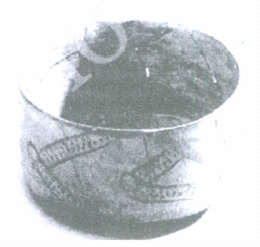
(i) From which metal these bowls were made?
(ii) When were these bowls used?
10.
Anwers the questions based on the given picture below.
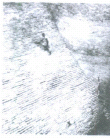
(i) Where is this fortification wall located?
(ii) How many years ago a part of this wall is built?
1.
Mahajanapadas collected regular taxes in the following ways:
(i) Taxes on crops were the most important. Usually, the tax was fixed at 1/6th of what was produced. This was known as bhaga or a share.
(ii) There were taxes on crafts persons as well. These could have been in the form of labour.
(iii) Herders were also expected to pay taxes in the form of animals and animal produce.
(iv) There were also taxes on goods that were bought and sold through trade.
(v) Hunters and gatherers also had to provide forest produce to the Raja.
2.
Many people did not accept the system of Varna laid down by the Brahmins.
(i) Some kings thought they were superior to the priests.
(ii) Others felt that birth could not be a basis for deciding which varna people belonged to
(iii) Some people felt that there should be no differences amongst people based on occupation.
(iv) Others felt that everybody should be able to perform rituals.
(v) Some condemned the practice of untouchability.
(vi) Also, there were many areas in the subcontinent, such as the northeast, where social and economic differences were not very sharp, and where the influence of the priests was limited.
3.
(i) The first Varna was that of the Brahmin. Brahmins were expected to study (and teach) the Vedas, perform sacrifices and receive gifts.
(ii) In the second place were the rulers, also known as Kshatriyas. They were expected to fight battles and protect people.
(iii) Third were the Vish or the Vaishyas. They were expected to be farmers, herders, and traders. Both the Kshatriyas and Vaishyas could perform sacrifices.
(iv) Last were the Shudras, who had to serve the other three groups and could not perform any rituals. Often, women were also grouped with the Shudras. Both women and Shudras were not allowed to study the Vedas.
4.
Forests:
(i) Elephants from the forest were captured and trained for the army.
(ii) Forests also provided wood for building houses, carts and chariots.
Rivers:
(i) Transport.
(ii) Water supplies
(iii) Making the land fertile
5.
These were the following domestic conditions in the Mahajanapadas :
(i) Agriculture: Agriculture prospered in most of the Mahajanapadas as they were located in fertile areas. Many canals and wells were dug to improve irrigation. The farmers learnt to use manure.
(ii) Rise of Cities: The production of surplus crops allowed some people to specialise in crafts such as metal working, carpentry and pot-making. The exchange of surplus crops and goods manufactured by the craftsmen led to the development trade. Cities grew around centres of craft, trade and administration.
(iii) Administration: The Mahajanapadas were mostly monarchies. The king maintained a large, well equipped and regularly paid army during war and peace. The king often gave taxfree villages to the Brahmins.
(iv) Revenue: Tax collectors collected taxes in the form of money or in any other kind. A share of one-sixth of the agricultural produce had to be given as tax. The revenue collected was spent on paying salaries to the people in administration, on public works and on maintaining the standing army.
(v) Social organisation: Caste rigidities increased strict rules that governed each caste. Intermarriage and interdining between the castes were not allowed. The trades and crafts of the shrenis became hereditary.
(vi) Trade: Good roads encouraged trade, even over long distances. Overseas trade also gained importance. Earlier, trading was done through barter system. Money in the form of punch marked coins came into use and copper and silver began to be used in trade.
6.
The democracy of Greece and Athens existed 2500 years ago and lasted for 200 years. The democratic set up is as follows:
(i) All free men over 30 years were citizens.
(ii) They could attend important meetings.
(iii) There was an assembly that met 40 times a year to decide on important matters.
(iv) Appointments for important positions were held through lottery.
(v) All citizens were expected to serve in the army and navy.
(vi) Women, foreigners who lived and worked in Athens as merchants and slaves were not considered as citizens.
7.
The ashvamedha or horse sacrifice was one such ritual. A horse was let loose to wander freely and it was guarded by the raja's men. If the horse wandered into the kingdoms of other rajas and they stopped it, they had to fight. If they allowed the horse to pass, it meant that they accepted that the raja who wanted to perform the sacrifice was stronger than them. These rajas were then invited to the sacrifice, which was performed by specially trained priests, who were rewarded with gifts. The raja who organised the sacrifice was recognised as being very powerful, and all those who came brought gifts for him to show respect.
8.
The priests divided people into four groups, called varnas. According to them, each varna had a different set of functions. The priests also said that these groups were decided on the basis of birth. The groups were as follow:
(i) The first varna was Brahmin. Brahmins were expected to study and teach the Vedas, perform sacrifices and receive gifts.
(ii) In the second varna, there were rulers, also known as kshatriyas. They were expected to fight battles and protect people.
(iii) The third varna was vaishyas or vish. They were expected to be farmers, herders and traders. Both the kshatriyas and the vaishyas could perform sacrifices.
9.
(i) Bowls are the earthern pots made out of Painted Grey Ware.
(ii) These bowls were used on special occasions, for important people, and to serve special food.
10.
(i) This fortification wall is located at Kaushambi.
(ii) A part of this wall was probably built about 2500 years ago.

6th Standard CBSE Syllabus & Materials
6th Standard CBSE
CBSE 6th Social Science Locating Places on the Earth - New Sample Question Papers Study Material - QB365 Set A
NEW6th Standard CBSE
CBSE 6th Science A Journey Through States of Water - New Sample Question Papers Study Material - QB365 Set A
NEW6th Standard CBSE
CBSE 6th Science Temperature and its Measurement - New Sample Question Papers Study Material - QB365 Set A
NEW6th Standard CBSE
CBSE 6th Science Materials Around Us - New Sample Question Papers Study Material - QB365 Set A



CBSE 6th Standard CBSE Subjects
CBSE Standards




