
 100% FREE ACCESS
6th Standard Syllabus & Materials
6th Standard
TN 6th Tamil பருவம் 1 - இயல் 1 - மொழி -தமிழ்த்தேன் - இன்பத்தமிழ் Sample Question Papers Study Material - QB365 Set A
NEW6th Standard
TN 6th English T1 - Supplementary - The Apple Tree and The Farmer Sample Question Papers Study Material - QB365 Set A
NEW6th Standard
TN 6th English T1 - Prose - When The Trees Walked Sample Question Papers Study Material - QB365 Set A
NEW6th Standard
TN 6th Social Science T3 - CIV - Road Safety Sample Question Papers Study Material - QB365 Set A
NEW6th Standard
TN 6th Social Science T3 - CIV - Local Bodies - Rural and Urban Sample Question Papers Study Material - QB365 Set A
NEW6th Standard
TN 6th Social Science T3 - CIV - Democracy Sample Question Papers Study Material - QB365 Set A

Published on: 29/02/2020
6th Standard Social Science Important questions 2019-2020
Download Tamil Nadu 6th Standard Social Science question papers, model tests, one-mark questions, important questions, and public exam papers in PDF format. Free study materials and answer keys for TN State Board students.
Questions + Answers key
Take MCQ Social Science Test
1.
Ashoka fought the _________war in 261 BC (BCE).
northern India
Kalinga
Janapadas
Magadha
2.
The last one was________
Rishabha
Mahavira
buddha
3.
The first Tirthankara was_________
Rishabha
Mahavira
buddha
4.
Find the odd one:
The Kuru and Panchala kingdoms flourished and large cities like
Ayodhya
Indraprastha
Mathura
Harappa
5.
_________was the leader of the village
Gramani
Viz
Grama
6.
Aryans of the Rig Vedic Period were________
nomadic
semi-nomadic
developed
7.
Who was the last emperor of Mauryan Dynasty?
Chandragupta Maurya
Ashoka
Brihadratha
Bindusara
8.
Which of the following are the sources of Mauryan period?
Artha Sastra
Indica
Mudrarakshasa
All
9.
Where did Buddha deliver his first sermon?
Lumbini
Saranath
Taxila
Bodh Gaya
10.
Aryans came from ______________.
China
North Asia
Central Asia
Europe
11.
Aryans first settled in ___________ region.
Punjab
Middle Gangetic
Kashmir
North east
12.
Baba Saheb refers to
Patel
Tilak
Ambedkar
Gandhiji
13.
The Reunion islands are present in ________ Ocean.
Arctic
Antartic
IndianPacific
Pacific
14.
The International Mountain Day is
December 10th
December 11th
December 12th
December 13th
15.
Io, Europa, Ganymede, Callisto are a few large satellites of________
Jupiter
Mars
Mercury
Venus
16.
The outer planets are_______
Jupiter and Mercury
Venus and Earth
Saturn and Mars
Uranus and Neptune
17.
The solar system is believed to have formed about ___________billion years ago
3
4.5
3.5
5
18.
Thoonga Nagaram refers to
Kanchi
Poompuhar
Madurai
Korkai
19.
Ahil was a
Port
Fragrant wood
Educated centre
Ornament
20.
Which of the following cities, is in Iraq?
Harappa
Mohernjo-Daro
Mesopotamia
Sanchi
21.
Who was the first ruler to give up war after victory
Bimbisar
Raja Raja Chola
Akbar
Ashoka
22.
Where did early man live?
mud house
under tree
caves
river banks
23.
The dancing girl statue was made out of
gold
silver
bronze
iron
24.
Humans with the help of flint made __________.
sharp weapons
vessels
carts
boats
25.
Viswanathan Anand became India’s first grandmaster in the year.
1985
1986
1987
1988
26.
Name the book/s written by A.P.J. Abdul Kalam
India 2020
Wings of Fire
Ignited Minds
All of these
27.
Discrimination done on the basis of gender is referred to as
gender discrimination
caste discrimination
religious discrimination
inequality
28.
The phrase ‘Unity in Diversity’ was coined by
Jawaharlal Nehru
Ambedkar
Mahathma Gandhi
Rajaji
29.
Mohiniyattam is a classical dance of
Kerala
Tamil Nadu
Manipur
Karnataka
30.
India consists of____________States and ___________Union territories.
27, 9
29, 7
28, 7
28, 9
31.
Which of the following is the smallest ocean on Earth?
The Pacific Ocean
The Indian Ocean
The Atlantic Ocean
The Arctic Ocean
32.
Which of the following planets can float on water?
Jupiter
Saturn
Uranus
Neptune
33.
Which city is not related to the Bay of Bengal?
Poompuhar
Madurai
Korkai
Kancheepuram
34.
Which of the following region has a city more than 6500 years old?
Iraq
Indus Valley
Tamilagam
Thondaimandalam
35.
River valleys are said to be the cradle of civilisation because
Soil is very fertile.
They experience good climate
They are useful for transportation.
Many civilisations flourished on river valleys.
36.
Tanzania is situated in the continent of
Asia
Africa
America
Europe
37.
The process of evolution is _____________ .
direct
indirect
gradual
fast
38.
What was the step taken by the early man to collect his food?
Trade
Hunting
Painting
Rearing of animals
39.
What are the uses of natural resources?
40.
Name the factors that determine whether a substance is a resource or not?
41.
What is meant by primary activities?
42.
Place the following words in the appropriate column.
Words: Jina, Mahayana, Tirthankaras, Stupas Nirvana, Digambara, Tripitakas, Agama
| Jainism | Buddhism |
43.
Write a short note about Gurukula System of Education?
44.
Name the gods that the Rig Vedic Aryans worshipped?
45.
What did the Aryans do after settling?
46.
What are resources?
47.
Renewable resources.
48.
When you travel from Japan to California, which ocean would you travel across?
49.
When you are walking on the Marina beach in Chennai, which order of landform are you on?
50.
What is discrimination?
51.
What is a continent?
52.
List out some of the classical dances of India.
53.
Why is India called a sub continent?
54.
Which is known as city of lakes? Why?
55.
Discuss the sources available to know about Tamil cities.
56.
Write a brief note on ancient cities of India.
57.
What do you know about the Great Bath?
58.
Can you point out the special features of their drainage system?
59.
What do you know about anthropology?
60.
Write any two characteristics of Homo sapiens.
61.
What do you know about the pre historic period?
62.
What is history?
63.
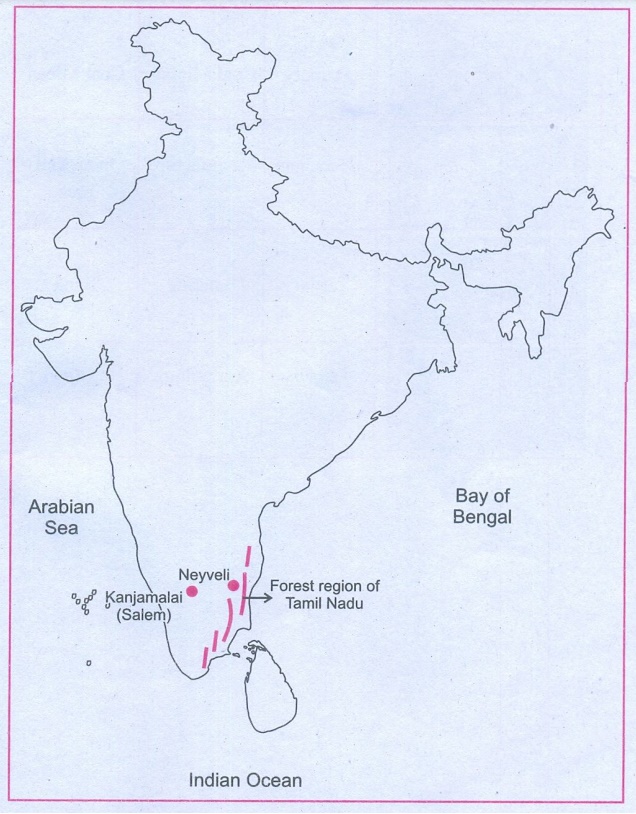
Mark the following in the outline map of India.
1. Neyveli
2. Bay of Bengal
3. Arabian Sea
4. Forest region of Tamil Nadu
5. Indian Ocean
6. Iron mining in Kanjamalai(Salem)
64.
Map reading (with the help of atlas )
a. A sea in the east of India
b. Continents in the west of Atlantic Ocean
c. Continents in the south of Arctic Ocean
d. A strait between India and Sri Lanka
e. Oceans which surround Australia
f. Find out the Isthumusses
(Create more questions)
65.
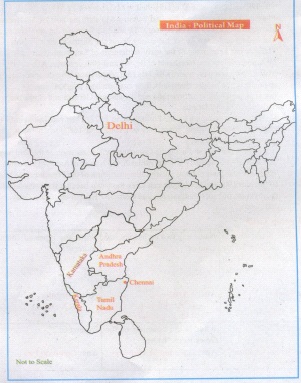
Mark the following places in the political map of India.
a. Delhi
b. Chennai
c. Tamil Nadu
d. Andhra Pradesh
e. Kerala
f. Karnataka
66.
Write about the resources?
67.
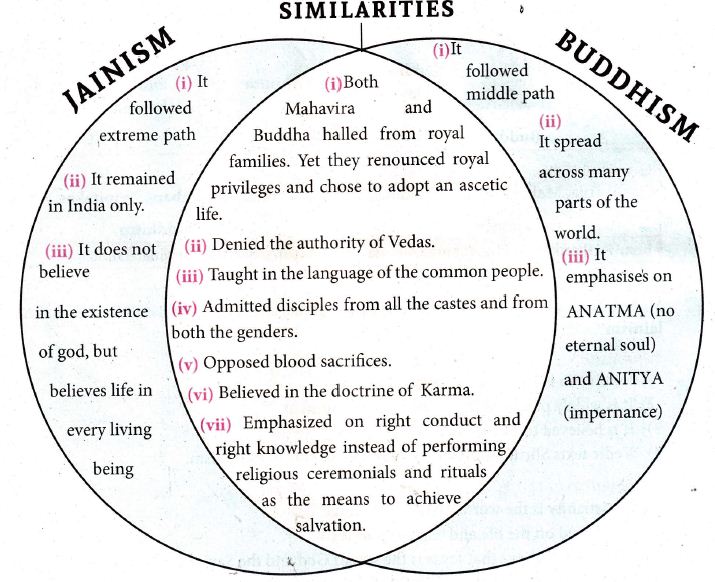
Make a Venn diagram to indicate similarities and dis-similarities of Jainism and Buddhism.
68.
What is resource planning and why is it necessary?
69.
Write the Gandhian thought on conservation of resources.
70.
Write any five welfare measures you would do if you were a king like Ashoka?
71.
Kalinga war became a turning point in Ashoka’s life. How?
72.
What are the five important rules of conduct in Jainism?
73.
Write about the Vedic women in a pragraph.
74.
December 11 International Mountain Day.
75.
Look at the picture and answer the questions given below.
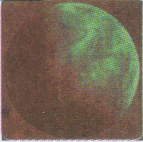
a) Identify the planet
b) What is the colour of the planet?
c) Why is it of this colour?
76.
Observe the following features of Indus Civilisation and compare that with the present day.
a. Lamp post
b. Burnt bricks
c. Underground drainage system
d. Weights and measurement
e. Dockyard
77.
What are the causes of Prejudice?
78.
Various discrimination in India. Discuss.
79.
City of temples. Give short notes.
80.
How were dogs useful to pre historic men?
81.
“India is a land of diversity, yet we are all united”. Discuss.
82.
Distinguish between inner and outer planets.
83.
Distinguish between an ocean and a sea.
84.
| Poompuhar was located on which river bank? | Name the ancient city which had Tamil Sangam | Name a Sangam literary work |
| Which Greek historian gave accounts about the Pandya kingdom? | To which Tamil kingdom did the southern districts of Tamil Nadu belong to during the Sangam Age? | Name the Chinese traveler who stayed and studied in Nalanda University. |
| Thirunavukarasar mentioned Kanchi as | What is the name of evening market during the Sangam Age? | Name the temple built by Pallava king Rajasimha at Kanchi. |
| Which district is known as the district of lakes? | What is trade? | Name a port located on the shore of Bay of Bengal. |
1.
(b)
Kalinga
2.
(b)
Mahavira
3.
(a)
Rishabha
4.
(d)
Harappa
5.
(a)
Gramani
6.
(b)
semi-nomadic
7.
(c)
Brihadratha
8.
(d)
All
9.
(b)
Saranath
10.
(c)
Central Asia
11.
(a)
Punjab
12.
(c)
Ambedkar
13.
(c)
IndianPacific
14.
(b)
December 11th
15.
(a)
Jupiter
16.
(d)
Uranus and Neptune
17.
(b)
4.5
18.
(c)
Madurai
19.
(b)
Fragrant wood
20.
(c)
Mesopotamia
21.
(d)
Ashoka
22.
(c)
caves
23.
(c)
bronze
24.
(a)
sharp weapons
25.
(d)
1988
26.
(d)
All of these
27.
(a)
gender discrimination
28.
(a)
Jawaharlal Nehru
29.
(a)
Kerala
30.
(b)
29, 7
31.
(d)
The Arctic Ocean
32.
(b)
Saturn
33.
(b)
Madurai
34.
(b)
Indus Valley
35.
(d)
Many civilisations flourished on river valleys.
36.
(b)
Africa
37.
(c)
gradual
38.
(b)
Hunting
39.
The use of any natural resource depends on the place it is available, the form in which it is available and the technology necessary to avail it
40.
Time and Technology
41.
primary activities such as hunting, food gathering, fishing and forestry
42.
| Jainism | Buddhism |
| Jina, Tirthankaras, Digambara,Agama | Mahayana, Stupas Nirvana,Tripitakas, |
43.
(i) The gurukula system is an ancient learning method.
(ii) The word Gurukula is a combination of the Sanskrit Word Guru (teacher or master) and Kula (family or home).
(iii) The shishyas resided with their guru and served them and simultaneously learnt and gained knowledge.
(iv) The students received education through oral tradition meaning rote learning, and were required to memorise everything.
44.
The sky gods like Prithvi (Earth), Agni (fire), Vayu (wind), Varona (rain), Indra (Thunder).
45.
When Aryans permanently settled in Sindh and the Punjab regions they began to practise agriculture.
46.
(i) Anything that fulfills human needs can be called a resource.
(ii) Resources can be natural, man-made and human resources.
47.
Resources once consumed can be renewed with the passage of time are called renewable resources. (e.g) Air, Water, Sunlight.
48.
Pacific Ocean.
49.
Third order of land form.
50.
(i) Discrimination can be defined as negative actions towards people.
(ii) Discrimination can happen the basis of colour, class, religion and gender.
51.
The vast land masses on Earth are called Continents.
52.
| STATES | POPULAR DANCES |
| Tamil Nadu | Bharatanatyam |
| Kerala | Kathakali |
| Karnataka | Yakshagana |
| Andra Pradesh & Telungana | Kuchipudi |
| Odisha | Odissi |
| Manipur | Manipuri |
| Assam | Sattriya |
| North lndia | Kathak |
53.
(i) A continent is a very large area of land with various physical features such as mountains, plateaus, plains, rivers and seas and various types of weather patterns
(ii) India has all of them.
(iii) So, India is known as a sub-continent.
54.
(i) The city of lakes is known as Kancheepuram.
(ii) Hundreds of lakes were created for storing water around the town of Kanchi.
(iii) Hence, Kanchi came to be known as the district of lakes.
55.
(i) Tamil Literature
(ii) Accounts of foreign travellers
(iii) Archaeological finds provide us information about the ancient town of Tamilagam.
56.
1. Harappa
2. Mohenjo - Daro
57.
(i) The great bath was a large, rectangular tank in a courtyard. It may be the earliest example of a water-proof structure.
(ii) The bath was lined with bricks, coated with plaster and made water-tight using layers of natural bitumen.
(iii) There were steps on the north and south leading into the tank.
(iv) There were rooms on three sides.
(v) Water was drawn from the well, located in the courtyard and drained out after use.
58.
(i) They had well covered drains.The drains were covered with slabs or bricks.
(ii) Each drain had a gentle slope so that water could flow.
(iii) Manholes were provided at regular intervals to clear the drains.
(iv) House drains passed below many lanes before finally emptying into the main : drains.
(v) Every house had its own soak pit, which collected all the sediments and allowed only the water to flow into the street drain.
59.
(i) Anthropology is the study of human and evolutionary history.
(ii) The word anthropology is derived from two Greek words
(iii) Anthropos meaning "man" or "human";
(iv) Logos, meaning "thought" or "reason.
60.
Modern human beings; hunting and gathering society; still used crude stone implements.
61.
(i) The period between the use of first stone tools and the invention of writing systems is pre-history.
(ii) Stone tools, excavated materials and rock paintings are the major sources of prehistory.
62.
(i) History is a record of past events in chronological order.
(ii) The term History has been derived from the Greek word Istoria which means learning by enquiry.
63.
64.
a. Bay of Bangal
b. North America and South America
c. Almost completely surrounded by Eurasia and North America.
d. Palk Strait.
e. Indian Ocean to the west, the South Pacific Ocean to the East and the Southern
Ocean to the South.
f. Isthumusses -ANarrow piece ofland connecting two larger areas across an expanse of water. Isthumus of Panama - Central America.
65.
66.
Resource is anything that fulfills human needs.
(i) When anything is of some use it becomes valuable.
(ii) All resources have value.
(iii) The value can be either commercial or non-commercial. Commercial resources have great economic value. (e.g.) Petroleum.
(iv) The Non-commercial resources are very abundant in availability (e.g.) Air.
67.
68.
Resource planning is a technique or skill of proper utilization of resources. Resource planning is necessary because
(i) Resources are limited, their planning is quite necessary so that we can use them properly and at the same time we can save them for our future generation.
(ii) Resources are not only limited but also they are unevenly distributed over the different parts of the World.
(iii) It is essential for the production of resource to protect them from over exploitation.
69.
Mahatma Gandhi blamed "human beings" for depletion of resources because of
(i) Over exploitation of resources
(ii) Unlimited needs of human beings. So, conservation is very important
70.
If I were a King like Ashoka; I will implement some schemes.
Education:
To provide quality and equal free education to all from primary to higher studies.
Medical Aid:
To provide quality and free medical aid to all.
Health:
To provide basic needs like food, shelter, dress to all.
Economics:
To develop the economic status of our country giving importance to agricultural activities.
Employment:
To create employment opportunities for growing population from long term schemes.
Information technology:
Due to up coming technologies in the world I will implement new schemes to modernise the
71.
(i) Ashoka fought the Kalinga war in 261 B.C.
(ii) He won the war and captured Kalinga.
(iii) The horror of war was described by the king himself in the Rock Edict XIII.
(iv) After the battle of Kalinga, Ashoka became a Buddhist.
(v) He under took tours to different parts of the country instructing people on policy of Dhamma.
(vi) Ashoka sent his son Mahindra and his daughter Sanghamitra to Srilanka to propagate Buddhism.
(vii) He took importance in the welfare of the people like hospitals, laying roads, irrigation, etc.
(viii) So, Ashoka was considered as a great emperor of ancient India.
72.
Jain code of Conduct:
Mahavira asked his followers to live a virtuous life. In order to live a life filled will sound morals, he preached five major principles to follow.
They are:
(i) Ahimsa - not to injure any living beings.
(ii) Satya - to speak the truth.
(iii) Asteya - not to steal.
(iv) Aparigraha - not to own Property
(v) Brahmacharya - Celibacy.
73.
Status of women in Rig Vedic Period:
(i) In Rig Vedic society, women relatively enjoyed some freedom.
(ii) The wife was respected as the mistress of the household.
(iii) She could perform rituals in her house.
(iv) Child marriage and sati were unknown.
(v) There was no bar on the remarriage of widows.
(vi) Nevertheless, the women were denied right.to inherit property from their parents.
(vii) They played no role in public affairs.
Later Vedic period:
(i) In the later Vedic period the role of women in society, as well as their status, even within the family, declined.
(ii) Women could no longer perform rituals in the family.
(iii) The rules of marriage became much more rigid.
(iv) Polygamy became common.
(v) Widow remarriage was not encouraged.
(vi) Education was denied to women.
(vii) lntercaste marriages were spurned.
74.
Prepare slogans, posters and placards to celebrate International Mountain Day.
(i) "Mountains are among the most beautiful land masses in the world."
(ii) "Mountains are beautiful as they rise up above the clouds and show just how grand the world can be."
(iii) "Great things are done when men and mountains meet."
(iv) "How glorious a greeting the Sun gives the mountains."
(v) "Mountains are earth's undecaying monuments."
(vi) "The mountains, forests and seas render men savage, they develop fierce, but yet do not destroy the human. "
(vii) "Men stumble over pebbles, never over mountains."
(viii) "Each fresh peak ascended teaches something."
(ix) "Mountains are the beginning and end of all natural scenery."
(x) "He who climbs upon the highest mountains laughs at all tragedies, real or imaginary.
75.
a) Uranus
b) Green
c) Due to the presence of methane
76.
(a) Lamp post
(i) Each house and street had a lamp post in Indus civilisation.
(ii) Now a days there is no electric lamp post in deep rural area.
(b) Burnt bricks
(i) The houses were built using baked bricks and mortar.
(ii) Present days we built varity of houses like concrete house, thatch house, etc....
(c) Underground drainage system
(i) Many of these cities in Indus has covered drains. The drains were covered with slabs or bricks.
(ii) Now a days underground drainage system is functioning only major cities.
(d) Weights and measurement
(i) Indus people had developed a systern of standardised weights and measures.
(ii) Present day we used electronic weighing machine also.
(e) Dockyard
(i) A naval dockyard has been discovered in Lothal in Gujarath. It shows the manitime activities of the Indus people.
(ii) Now a days there are so many seaports spread in all over India.
77.
Some common social factors. that contributes to the rise of prejudice are
(i) Socialisation
(ii) Conforming behaviours
(iii) Economic benefits
(iv) Authorita, rian personality
(v) Ethno-cntrism
(vi) Group losure
(vii) Conflicts
78.
(i) The different forms of inequalities such as caste inequality, religious inequality, race inequality or gender inequality give rise to discrimination.
(ii) Discrimination can happen on the basis of colour, class, religion gender etc.
(iii) Treating dark-skinned people differently from fair-skinned people, giving more importance to people of higher than to those of lower caste and thinking boys are smarter than girls are all thoughts of discrimination.
(iv) Article 15(1) of the constitution states that the State not to discriminate against any citizen on grounds only of religion, race, caste, sex, place of birth or any of them.
79.
(i) Kanchi is also known as the temple city.
(ii) The famous temple of great architectural beauty, Kailasanathar temple, was built by later pallava king Rajasimha II at Kanchi.
(iii) During the Pallava period, a large number of cave temples were built.
(iv) Some temples are situated at Kancheepuram like Ekambaranather Temple, Ulaganath Perumal Temple, Varatharaja Perumal Temple.
80.
(i) In ancient period, the people lived in caves.
(ii) Hunting was their main occupation.
(iii) Caves did not live in such a safe environment.
(iv) There might have been changes of wild animals entering caves.
(v) But they realised that dogs could help them prevent the entry of such dangerous animal by sniffing skill.
(vi) Hence they started domesticating dog for their protection and hunting activities.
81.
(i) Diversities are seen in landscapes, climate, natural vegetation and soil.
(ii) Diversities are seen in languages, races, religion, customs and caste.
(iii) And also diversities are seen in habits and heritage, food and dress, art and architecture.
(iv) Irrespective of differences in all the above, we all take pride in calling ourselves as Indians.
(v) The feeling of oneness and unity among the people of various religious, castes of a country is called unity in diversity.
82.
| S.No | Inner planets | Outer planets |
| 1 | The four planets nearer to the sun are called Inner or Terrestrial planets. |
The last four plangts are called as Outer planets of Jovian planets. |
| 2 | Mercury, venus, earth and mars. | Jupiter, Saturn, Uranus and Neptune. |
| 3 | The inner planets are comparatively smaller in size and are compased of rocks |
They are also called Gaseous Giants. |
| 4 | The surface of inner planets has mountains, volcanoes and craters |
An asteriod belt is found between mars and jupiter. |
83.
| S.No | Ocean | Sea |
| 1. | Oceans are vast expanse of water. | Seas are water bodies partially or fully enclosed by land. |
| 2. | Eg. Pacific Ocean | Eg: Bay of Bengal, Arabian Sea. |
84.
| Poompuhar was located on which river bank? Cauvery |
Name the ancient city which had Tamil Sangam Madurai |
Name a Sangam literary work Pattinappallai |
| Which Greek historian gave accounts about the Pandya kingdom? Megasthanese |
To which Tamil kingdom did the southern districts of Tamil Nadu belong to during the Sangam Age? Pandya Nadu |
Name the Chinese traveller who stayed and studied in Nalanda University. Hieun Tsang |
| Thirunavukarasar mentioned Kanchi as Kalviyil Kayaillatha Kanchi |
What is the name of evening market during the Sangam Age? Allangadi |
Name the temple built by Pallava king Rajasimha at Kanchi. Kailasanathar TempIe |
| Which district is known as the district of lakes? Kancheepuram |
What is trade? The action of buying and selling goods and services |
Name a port located on the shore of Bay of Bengal. Poompuhar Port |

6th Standard Syllabus & Materials
6th Standard
TN 6th Social Science T3 - GEO - Understanding Disaster Sample Question Papers Study Material - QB365 Set A
NEW6th Standard
TN 6th Social Science T3 - GEO - Globe Sample Question Papers Study Material - QB365 Set A
NEW6th Standard
TN 6th Social Science T3 - GEO - Asia and Europe Sample Question Papers Study Material - QB365 Set A
NEW6th Standard
TN 6th Social Science T3 - HIS - South Indian Kingdoms Sample Question Papers Study Material - QB365 Set A



Tamilnadu Stateboard 6th Standard Subjects
Tamilnadu Stateboard Standards



