
 100% FREE ACCESS
8th Standard Syllabus & Materials
8th Standard
TN 8th Tamil இயல் 3 - கல்வி கரையில - வினைமுற்று Important Questions And Answers Study Material - QB365 Set A
NEW8th Standard
TN 8th Tamil இயல் 2 - ஈடில்லா இயற்கை - மயங்கொலிகள் Important Questions And Answers Study Material - QB365 Set A
NEW8th Standard
TN 8th Tamil இயல் 2 - ஈடில்லா இயற்கை -பட்டமரம் Important Questions And Answers Study Material - QB365 Set A
NEW8th Standard
TN 8th Tamil இயல் 2 - ஈடில்லா இயற்கை - இயற்கையை போற்றுவோம் Important Questions And Answers Study Material - QB365 Set A
NEW8th Standard
TN 8th Tamil இயல் 1 - தமிழ் இன்பம் - ஆழிக்கு இணை Important Questions And Answers Study Material - QB365 Set A
NEW8th Standard
TN 8th Tamil இயல் 2-ஈடில்லா இயற்கை - திருக்குறள் Important Questions And Answers Study Material - QB365 Set A

Published on: 01/10/2019
Term 1 Organisation of Life
Download Tamil Nadu 8th Standard Science question papers, model tests, one-mark questions, important questions, and public exam papers in PDF format. Free study materials and answer keys for TN State Board students.
Questions + Answers key
Take MCQ Science Test1.
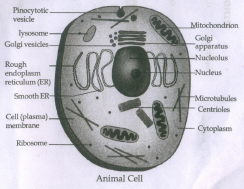
Explain the structure of an animal cell.
2.
Explain the term Osmoregulation.
3.
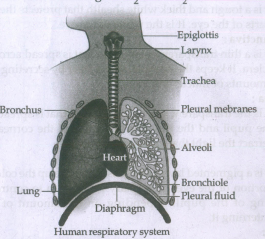
Describe the structure of human lungs.
4.
Write a note on external structure of an eye.
5.
Explain the mechanism of breathing.
6.
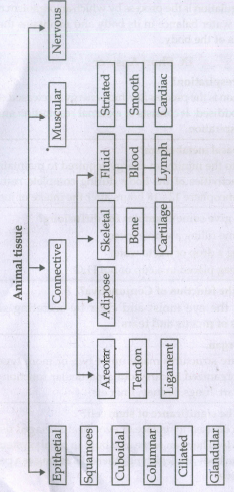
Write down the classification of animal tissues.
7.
What is the significance of stem cell?
8.
Define organ
9.
Define basal metabolism?
10.
What is respiration?
1.
(i) It is the structural and functional unit of life.
(ii) Cells are often called as building blocks of life.
(iii) Cell consists of cytoplasm enclosed within them a membrane,
which contains many biomolecules, such as protein and Nucleic acids.
(iv) Cells vary in shape and size.
(v) There is a central nucleus and a living cell organelles like endoplasmic reticulum, mitochondria, Golgi bodies, centrioles, ribosome, lysosome, etc. present in an animal cell.
(vi) Each cell organelle performs a specific function
2.
(i) The term osmoregulation was coined by Hober in 1902.
(ii) It is the process by which an organism regulates the H2O balance in its body and maintains the homeostasis of the body.
(iii) It includes controlling excess H2O loss or gain and maintaining the fluid balance and the osmotic concentration.
(iv) It ensures that the fluids in the body do not get too diluted or concentrated.
(v) There are two types of osmoregulation.
Osmoconformers:
There organisms try to maintain the osmolarity of their body matching with their surroundings.
Eg : Most of the invertebrates, marine organisms
Osmoregulators:
There organisms maintain their internal osmolality which can be extremely different from that of the surroundings environment, through physiological processes.
3.
(i) The lungs are organs in the chest cavity that allow our body to take in O2 from the air.
(ii) They also help to remove CO2 from the body.
(iii) The left lung is slightly smaller than the right lung.
(iv) Within the lungs each bronctiole leads to a bunch of air sacs called alveoli.
(v) The lungs are two spongy elastic bags on each side of the thoracic cavity.
(vi) The thoracic cavity is bound dorsally by the vertebral column and ventrally by the sternum, laterally by the ribs and on the lower side by the dome shaped diaphragm.
(vii) Alveoli are tiny air sacs in the lungs that take up the O2 we breathe and keep our body going. : In alveoli the exchange of O2 and CO2
4.
Sclera:
It is a tough and thick white sheath that protects the inner parts of the eye. It is the white of the eye.
Conjunctiva:
It is a thin transparent membrane that is spread across the sclera. It keeps the eyes moist and clear by secreting small amounts of mucus and tears.
Cornea:
It is the transparent layer of membrane that is spread over the pupil and the iris. The main role of the cornea is to refract the light that enters the eyes.
Iris:
It is a pigmented layer of tissues that make up the coloured portion of the eye. Its primary function in to control the sing of the pupil. depending on the amount of light enterning it.
Pupil:
It is the small opening located at the middle of the iris. It allows light to come in.
5.
Inspiration (Inhalation)
► The process of taking air into the lungs is called inspiration,
► During inspiration, the sternum is pushed up and outward and the diaphragm is pulled down
► This increases the volume of the thoracic cavity the pressure decreases.
► The air outside the body flows into the lungs.
► Here the exchange of gases takes place between the air and blood.
Expiration (Exhalation)
► The process of expelling air from the lungs is called expiration or exhalation.
► Upon exhalation, the lungs recoil to force the air out of the lungs
► The intercostal muscles relax, returning the chest wall to its original position.
► During exhalation, the diaphragm also relaxes, moving higher into the thoracic cavity.
► This increases the pressure within the thoracic cavity relative to the environment.
► Air rushes out of the lungs due to the pressure gradient.
► This movement of air out of the lungs is a passive event.
Exchange of gases in the Alveoli:
► The content of oxygen in the inhaled air in alveoli is more than the blood flowing through the capillaries
► So, the oxygen moves into the blood by simple diffusion.
► Haemoglobin in the blood combines with oxygen to form oxyhaemoglobin.
► The blood carrying oxygen reaches the heart through blood vessels.
► The heart pumps it to all the tissue in the body.
► The tissue releases carbon-dioxide which is carried back to alveoli by the blood.
► Carbon dioxide diffuses from the blood to the air in the alveoli and it sent out of the body when the air is exhaled.
6.
7.
They can be used to replace or even heal damaged tissues in the body. They can serve as a built in repair system for the human body, replenishing other cells as long as a person is still alive.
8.
Organs are structures made up of two or more types of tissues, organized to carry out a particular function Eg : brain, heart, lungs, kidney, liner etc
9.
It refers to the minimum energy required to maintain the normal activities of the body during complete rest in a warm atmosphere 12-18 hours after the intake of food.
10.
Respiration is the process in which energy is released while food is oxidised. It consists of external respiration and internal respiration.

8th Standard Syllabus & Materials
8th Standard
TN 8th Tamil இயல் 3 - கல்வி கரையில - பாடறிந்து ஒழுகுதல் Important Questions And Answers Study Material - QB365 Set A
NEW8th Standard
TN 8th Tamil இயல் 3-கல்வி கரையில - பல்துறைக் கல்வி Important Questions And Answers Study Material - QB365 Set A
NEW8th Standard
TN 8th Tamil இயல் 3-கல்வி கரையில - புத்தியைத் தீட்டு Important Questions And Answers Study Material - QB365 Set A
NEW8th Standard
TN 8th Tamil இயல் 2 - ஈடில்லா இயற்கை - தமிழர் மருத்துவம் ( நேர்காணல்) Important Questions And Answers Study Material - QB365 Set A



Tamilnadu Stateboard 8th Standard Subjects
Tamilnadu Stateboard Standards




