
 100% FREE ACCESS
8th Standard CBSE Syllabus & Materials
8th Standard CBSE
CBSE 8th Social Science Theme D - Factors of Production - New Model Questions Papers Study Material - QB365 Set A
NEW8th Standard CBSE
CBSE 8th Social Science Theme C - Universal Franchise and India's Electoral System - New Model Questions Papers Study Material - QB365 Set A
NEW8th Standard CBSE
CBSE 8th Social Science Theme B - The Rise of the Marathas - New Model Questions Papers Study Material - QB365 Set A
NEW8th Standard CBSE
CBSE 8th Social Science Theme B - Reshaping India's Political Map - New Model Questions Papers Study Material - QB365 Set A
NEW8th Standard CBSE
CBSE 8th Social Science Theme A - Natural Resources and Their Use - New Model Questions Papers Study Material - QB365 Set A
NEW8th Standard CBSE
CBSE 8th Science Keeping Time with Skies - New Model Questions Papers Study Material - QB365 Set A

Published on: 29/10/2025
Download CBSE Class 8th Standard CBSE Science question papers, sample papers, important questions, and previous year solved papers in PDF format. Get free study materials, NCERT solutions, and exam preparation resources for Class 8th Standard CBSE Science
Questions + Answers key
Take MCQ Science Test
1.
'Sperms need to have mobility'. Give reason
2.
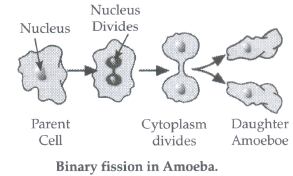
Explain the asexual reproduction in amoeba
3.
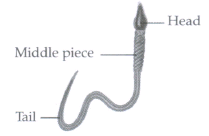
Draw a well labelled diagram of human sperm
4.
Explain the structure of male reproductive system in human beings
5.
What IS IVF?
6.
Write difference between internal fertilization and external fertilization.
7.
How is egg formed in the hen?
8.
Amoeba reproduces by which process? Explain in brief.
9.
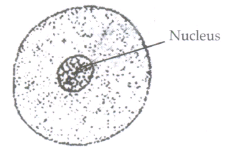
Draw a labelled diagram of human ovum
10.
In markets, eggs of bird are available but never eggs of dogs, why ?
11.
Paheli wants to known the purpose of tail in sperms.
12.
Write some examples of viviparous and oviparous animals.
13.
Only male gametes have a tail, can you think of a reason for this?
14.
Study the classification structure shown below .
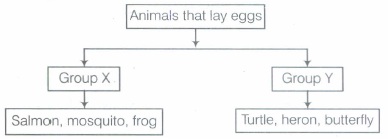
Which of the following are the most suitable headings for the two groups?
| Group X | Group Y |
| Lays one egg at a time | Lays many eggs |
| Lays eggs in water | Lays eggs on land |
| Eggs with shell | Eggs without shell |
| Eggs do not need to be incubated. | Eggs need to be incubated |
15.
Name some organisms which are reproduced by parthenogenesis.
16.
Where does an embryo grow in case of external fertilisation?
17.
Hen is an oviparous animal. What type of fertilisation takes place in a hen?
18.
What do you understand by the term gestation?
19.
A fertilisation that takes place outside the body. What is it called as?
20.
In markets, eggs of birds are available but never eggs of dogs, why?
21.
A type of reproduction involves gametes. Name it.
22.
Have you heard of test-tube babies? Define them.
23.
Give the other name of oviducts.
24.
Study the classification structure shown below.
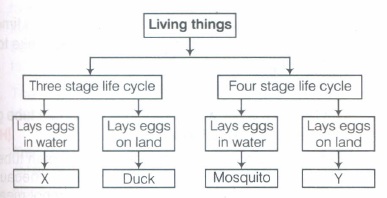
What living things are X and Y likely to be?
25.
Do humans also undergo metamorphosis?
26.
State whether human beings reproduce by sexual methods or asexual methods.
27.
The change from tadpole to frog is given a particular term. What is it?
28.
Classify the animals given below as oviparous and viviparous.
Humans, Birds, Frogs, Dogs, Lizards, Cows, Duck.
29.
The eggs of frogs do not have shells for protection, yet they are safe in water, how?
30.
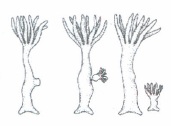
Give the name of the organism and the mode of reproduction represented in the given diagram.
31.
What is semen?
32.
Explain the term parthenogenesis.
33.
Name the male sex hormone.
34.
A term is used for the 'bulges' observed on the sides of the body of Hydra. What is it?
35.
X is the reproductive cell produced in a woman's Y while Z is the reproductive cell that is produced in the testes of a man. What can X, Y and Z be?
36.
In humans, which organ produces the sperm?
37.
Arrange the following stages of development of human body in correct sequence.
Foetus, zygote and embryo.
38.
Stages in the life cycle of silkworm are given below. Write them in sequential order.
Pupa, Egg, Silkmoth, Caterpillar
39.
Name two main types of reproduction prevalent in animals.
40.
Read the statements below made by three children about reproduction.
Rajesh All living things need an egg and a sperm to reproduce.
Akash Reproduction is a way to prevent the extinction of a species.
Ankit The ensure a higher chance of survival, all living things have more than one offspring at a time.
Who made a correct statement?
41.
An organism has both male and female reproductive organs. Is it possible? If yes, name such organism.
42.
Does the tail in a sperm serve a specific purpose? If yes, what is it?
43.
A process by which young ones are formed. What is the process called as?
44.
Name a unicellular and multicellular animal which can reproduce by asexual methods.
45.
The male and female gamete in human beings are known by which names?
46.
Give another term for a fertilised egg.
1.
Sperms have to enter the female reproductive passage, and fertilise the ovum by travelling through the vagina and uterus to reach the fallopian tube. This is the reason why sperms need to have mobility.
2.
The reproduction in amoeba takes place by binary fission. In this process amoeba reproduces by dividing into two individuals. The nucleus of amoeba cell is divided into two. This is followed by division of its body into two, each part receiving a nucleus. Finally two amoebae are produced from one parent amoeba.
3.
4.
Male reproductive system: The male reproductive organs include a pair of testes, two sperm ducts and a penis. The testes produce the male gametes called sperms. Millions of sperms are produced by the testes
5.
IVF is In-vitro fertilization. In such cases doctor collects freshly released egg and sperms and keeps them together for a few hours for fertilization. When fertilization occurs, the zygote is formed and allowed to develop for about a week and then, it is placed in the mother's uterus. Babies produced through this technique are called test-tube babies.
6.
| Internal fertilization | External fertiIization |
|---|---|
| Fertilization that takes place inside the female body is called internal fertilization e.g Humans, Cats Dogs, | Fertilization in which the fusion of a male and a female gamete takes place outside the body of the female is called external fertilization e.g., fish, starfish, etc. |
7.
After fertilization, the zygote divides repeatedly and travels down the oviduct. As it travels down, many protective layers are formed around it. The hard shell is formed around the developing embryo. The hen finally lays the egg
8.
Amoeba reproduces by asexual reproduction, binary fission. It begins the process of reproduction by the division of its nucleus into two nuclei. This is followed by division of its body into two, where each part receives a nucleus. Finally two amoebae are produced from one parent amoeba.
9.
10.
Birds are oviparous, lay eggs outside the female body, so their eggs are available in market, while dogs are viviparous, i.e., do not lay eggs but give birth to young ones
11.
The sperms swim in the oviduct with the help of their tails to reach the egg.
12.
(i) Examples of viviparous animals Mammals like cat, dog, camecow, dog.
(ii) Examples of oviparous animals All birds, fishes, reptiles, amphibians.
13.
Male gametes or sperms have tail to facilitate movement of sperms and help them to reach the egg (female gamete) for fertilisation.
14.
Group X- Lays eggs in water Group Y- Lays eggs on land.
15.
Organisms like honeybees, birds (turkey) and some lizards are reproduce by parthenogenesis.
16.
Embryo grows outside in open in case of external fertilisation.
17.
Internal fertilisation takes place in a hen.
18.
The period between fertilisation and childbirth is called gestation.
19.
The process of fertilisation that takes place outside the body of the female is called external fertilisation.
20.
Birds are oviparous, lay eggs outside the female body, so their eggs are available in market, while dogs are viviparous, i.e. do not lay eggs but give birth to young ones.
21.
Sexual reproduction involves gametes.
22.
The babies born through IVF technique are called test-tube babies.
23.
Fallopian tubes is the other name of oviducts.
24.
X-Frog; Y-Butterfly
25.
No, humans do not undergo metamorphosis.
26.
Human beings reproduce by sexual method.
27.
Metamorphosis is the term used for the change from tadpole to frog.
28.
| Oviparous | Viviparous |
| Birds | Humans |
| Frogs | Dogs |
| Lizards | Cows |
| Duck |
29.
Frog's eggs are without any external covering or shell but a layer of jelly-like coat hold the eggs together, thus providing them protection.
30.
The name of the organism is Hydra and mode of reproduction is asexual (budding).
31.
The mixture of secretions from various glands like seminal, prostrate and cowpers gland along with sperms is called semen.
32.
The phenomenon by which female gametes produce off spring without fertilisation is called parthenogenesis.
33.
The male sex hormone is testosterone.
34.
Bud is the term used for the bulges observed on the sides of the body of Hydra.
35.
Egg is the reproductive cell produced in a woman's ovary while sperm is the reproductive cell that is produced in the testes of a man.
36.
Testes produce sperms in humans.
37.
Zygote, embryo and foetus.
38.
The stages in the life cycle of silkworm occursin following sequence:
Egg ⟶ Caterpillar ⟶ Pupa ⟶ Silkmoth
This drastic change in structure from caterpillar to silkmoth is called metamorphosis.
39.
Two main types of reproduction prevalent in animals are asexual and sexual reproduction.
40.
The statement made by Akash is a correct statement about reproduction.
41.
Yes, there are organisms that have both male and female reproductive organs in the same body, e.g. earthworm, leech.
42.
Yes, it has a specific function. The tail in sperm provides motility to it and helps it to reach female gemetes for fusion.
43.
Reproduction is the biological process of formation of young ones of their own kind by living organisms.
44.
Hydra (multicellular) and Amoeba (unicellular) are two animals which can reproduce by asexual methods.
45.
In human beings, male gamete is known as sperm and female gamete as egg or ova.
46.
A fertilised egg is also called zygote.

8th Standard CBSE Syllabus & Materials
8th Standard CBSE
CBSE 8th Science Particulate Nature of Matter - New Model Questions Papers Study Material - QB365 Set A
NEW8th Standard CBSE
CBSE 8th Science Pressure, Winds, Stroms and Cyclones - New Model Questions Papers Study Material - QB365 Set A
NEW8th Standard CBSE
CBSE 8th Mathematics Quadrilaterals - New Model Questions Papers Study Material - QB365 Set A
NEW8th Standard CBSE
CBSE 8th Mathematics A story of Numbers - New Model Questions Papers Study Material - QB365 Set A



NCERT Books

Syllabus

Exam Pattern

Sample Question Papers

Previous year Question Papers

Important Notes

MCQ Practice test

NCERT Exemplers

Case study Questions

Image Based Questions

Passage based Questions

HOT Questions

Value Based Questions

Model Questions Papers
NCERT ( Book Back ) Questions

Assertion and Reason
Important Questions And Answers

CBSE 8th Standard CBSE Subjects
CBSE Standards


