
 100% FREE ACCESS
8th Standard CBSE Syllabus & Materials
8th Standard CBSE
CBSE 8th Social Science Theme D - Factors of Production - New Model Questions Papers Study Material - QB365 Set A
NEW8th Standard CBSE
CBSE 8th Social Science Theme C - Universal Franchise and India's Electoral System - New Model Questions Papers Study Material - QB365 Set A
NEW8th Standard CBSE
CBSE 8th Social Science Theme B - The Rise of the Marathas - New Model Questions Papers Study Material - QB365 Set A
NEW8th Standard CBSE
CBSE 8th Social Science Theme B - Reshaping India's Political Map - New Model Questions Papers Study Material - QB365 Set A
NEW8th Standard CBSE
CBSE 8th Social Science Theme A - Natural Resources and Their Use - New Model Questions Papers Study Material - QB365 Set A
NEW8th Standard CBSE
CBSE 8th Science Keeping Time with Skies - New Model Questions Papers Study Material - QB365 Set A

Published on: 10/10/2019
Weavers, Iron Smelters and Factory Owners
Download CBSE Class 8th Standard CBSE Social Science question papers, sample papers, important questions, and previous year solved papers in PDF format. Get free study materials, NCERT solutions, and exam preparation resources for Class 8th Standard CBSE Social Science
Questions + Answers key
Take MCQ Social Science Test
1.
Look at the given picture and answer the following questions.
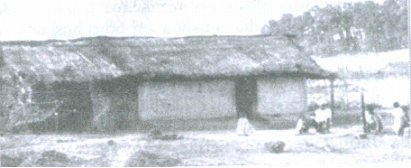
(i) Name the community, who was lived in this village?
(ii) In which century a series of famines devastated the dry tracts of India.
2.
Look at the given pictures and answer the following questions.
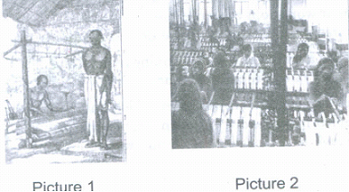
(i) What are the Tanti weavers doing in the above pictures 1?
(ii) What is shown in picture 2?
3.
Look at the given picture and answer the following questions.
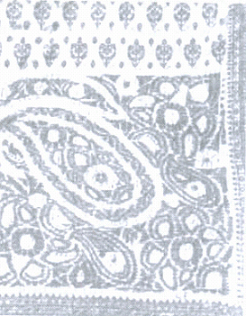
(i) What is shown in the picture?
(ii) Name the most important centers of Jamdani weaving.
4.
Look at the given picture and answer the following questions.
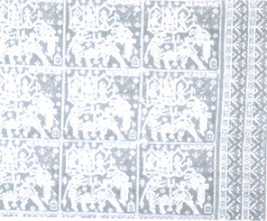
(i) What is shown in the picture?
(ii) Where was Patola woven?
(iii) Why was Patola highly valued in Indonesia?
5.
Look at the given picture and answer the following questions.
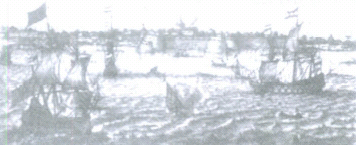
(i) Which famous port of 17th century is shown in the picture?
(ii) Name the two ships, that began using the port from the early 17th century?
6.
Describe the development of TISCO as the biggest steel industry within the British empire.
7.
Describe the steps due to which the international market for traditional Indian textiles was eroded during the 19th century.
8.
In what ways were the steps followed for industrialising Japan different from those followed by the British in industrialising India?
9.
Read the source and answer the questions given below: In 1823, the Company government in India received a petition from 2,000 weavers stating: Our ancestors and we used to receive advances from the Company and maintain ourselves and our respective families by weaving Company's superior assortments. Owing to our misfortune, the aurangs have been abolished ever since because of which we and our families are distressed for want of the means of livelihood. We are weavers and do not know any other business. We must starve for food, if the Board of Trade do not cast a look of kindness towards us and give orders for clothes.
(i) Explain the term 'aurangs'.
(ii) Why were the weavers in India thrown out of employment?
10.
Write a short note on Calico Act
1.
(i) Agarias - a community of iron smelters were lived in this village.
(ii) In the late 19th century a series of famines devastated the dry tracts of India.
2.
(i) In picture 1, Tanti weavers are working in the pit loom.
(ii) Women workers of the cotton factory are shown in picture 2.
3.
(i) Jamdani weave of the early 20th century is shown in the above picture.
(ii) The most important centres of Jamdani weaving were Dacca in Bengal and Lucknow in the United Provinces.
4.
(i) Patola weave of the mid-19th century is shown in the above picture.
(ii) Patola was woven in Surat, Ahmedabad, and Patan.
(iii) Parola was highly valued in Indonesia, it became part of the local weaving tradition there.
5.
(i) The above picture shows the Surat port in West coast of Gujarat.
(ii) Dutch and English Trading ships that began using the port from the early 17th century.
6.
Jamsetji Tata, an Indian industrialist, wanted to set up a modern iron and steel plant in India, for which a good source of iron ore deposits and plentiful water were required. The Tatas set-up this plant in what is now known as Jamshedpur, which started production in 1912.
Expansion of the railways gave TISCO a ready market for steel rails during the First World War, which started in 1914. Soon they started producing carriage wheels and shells for the war effort.
By 1919, the British colonial government was buying 90 percent of the steel manufactured by TiSeO. Soon TiSeO became the biggest steel industry within the British empire.
7.
The steps due to which the international market for traditional Indian textiles was eroded were:
(i) Very high duties were imposed on Indian textiles imported into Britain.
(ii) Due to this, English and European companies stopped buying Indian goods
(iii) British cotton textiles made on automatic machines were very cheap and captured European and American markets which were earlier captive markets for Indian textiles.
(iv) By the 1830s, British cotton cloth flooded Indian markets. Within another 50 years, two-thirds of cotton clothes worn by Indians were made of cloth produced in Britain.
(v) This rendered many weavers and spinners jobless.
8.
The basic difference between India and Japan was that India was run by the British colonial government, while Japan was an independent country. While the colonial government in India, which wanted to expand the market for British goods, did not support Indian industrialists, the Japanese Government encouraged the growth of industries.
They did this by developing postal and telegraph services, railways and steam-powered shipping. They also imported advanced technology from the West and gave generous loans to industrialists, besides selling large industries started by the government to business families very cheaply. Thus in India, colonial domination created barriers to industrialization, while in Japan the fear of foreign conquest spurred industrialisation.
9.
(i) Aurang is a Persian term for a warehouse. It refers to a place where supplies are collected before being sold. It also refers to a workshop.
(ii) Competition with the British textiles in the European and the American markets and high duties levied on the Indian textiles imported into Britain affected the textile producers in India. By the beginning of the nineteenth century, Indian goods were successfully ousted by the English made cotton textiles from their long-established markets in Africa, America and Europe. As a result thousands of weavers in India were now thrown out of employment.
10.
(i) When the Portuguese first came to India in search of spices, they landed in Calicut on the Kerala coast in South - West India.
(ii) The cotton textiles which they took back to Europe, along with the spices, came to be called as "calico" (derived from Calicut), and subsequently, calico became the general name for all cotton textiles.
(iii) By the early 18th century, worried by the popularity of Indian textiles, wool and silk makers in England began protesting against the import of Indian cotton textiles.
(iv) In 1720, the British government enacted a legislation banning the use of printed cotton textiles chintz - in England. This Act was known as the CalicoAct

8th Standard CBSE Syllabus & Materials
8th Standard CBSE
CBSE 8th Science Particulate Nature of Matter - New Model Questions Papers Study Material - QB365 Set A
NEW8th Standard CBSE
CBSE 8th Science Pressure, Winds, Stroms and Cyclones - New Model Questions Papers Study Material - QB365 Set A
NEW8th Standard CBSE
CBSE 8th Mathematics Quadrilaterals - New Model Questions Papers Study Material - QB365 Set A
NEW8th Standard CBSE
CBSE 8th Mathematics A story of Numbers - New Model Questions Papers Study Material - QB365 Set A



CBSE 8th Standard CBSE Subjects
CBSE Standards




