
 100% FREE ACCESS
7th Standard CBSE Syllabus & Materials
7th Standard CBSE
CBSE 7th Social Science Theme E - Understanding Market - New Sample Question Papers Study Material - QB365 Set A
NEW7th Standard CBSE
CBSE 7th Social Science Theme E - From Barter to Money - New Sample Question Papers Study Material - QB365 Set A
NEW7th Standard CBSE
CBSE 7th Social Science Theme D - The Constitution of India- An Introduction - New Sample Question Papers Study Material - QB365 Set A
NEW7th Standard CBSE
CBSE 7th Social Science Theme D - From the Rulers to the Ruled : Types of Governments - New Sample Question Papers Study Material - QB365 Set A
NEW7th Standard CBSE
CBSE 7th Social Science Theme B - The Age of Reorganisation - New Sample Question Papers Study Material - QB365 Set A
NEW7th Standard CBSE
CBSE 7th Social Science Theme B - The Rise of Empires - New Sample Question Papers Study Material - QB365 Set A

Published on: 03/12/2018
From the chapter A Shirt In The Market, some of the important questions are covered in this question paper.
Students can practice themselves by getting the number of question paper with answer for their scoring good marks in the exam.
Download CBSE Class 7th Standard CBSE Social Science question papers, sample papers, important questions, and previous year solved papers in PDF format. Get free study materials, NCERT solutions, and exam preparation resources for Class 7th Standard CBSE Social Science
Questions + Answers key
Take MCQ Social Science Test
1.
Arrange the statements given below in the correct order and then fill in the numbers in the cotton balls accordingly. The first two have already been done for you.

(i) Swapna sells the cotton to the trader
(ii) Customers buy these shirts in a supermarket.
(iii) Trader sell cotton to the Ginning Mill.
(iv) Garment exporters buy the cloth from merchant for making shirts.
(v) Yarn dealers or merchants give the yarn to the weavers.
(vi) The exporter sells shirts to the businessperson from the USA.
(vii) Spinning mill buys the cotton and sells yarn to the yarn dealers.
(viii) Weavers return with the cloth.
(ix) Ginning mill cleans the cotton and makes it into bales.
2.
How the Tamil Nadu government helps the cooperatives?
3.
Compare the earnings per shirt of the worker in the garment factory, the garment exporter and the businessperson In the market abroad. What do you find?
4.
What are the people doing at the Erode cloth market exporters.
5.
Did Swapna get a fair price on the cotton?
6.
What is a chain of market? Do you think that everyone gains equally in the market?
7.
"No person gains equally in the market".Why?
8.
Who send the manufactured garments to other countries of the world?
Exporter
Importer
Manufacturer
Worker
9.
Women are employed in the garment factories for:
Thread cutting
Buttoning
Ironing and packaging
All of the above
10.
Cultivation of cotton requires:
Fertilizers
Pesticides
Seeds
All of these
11.
The shirt in United States is sold at
$ 26
$ 24
$ 28
$ 22
12.
Swapna is a small farmer in Kurnool and grows
wheat
rice
cotton
maize
13.
How a merchant distributes work among the weavers?
14.
What work women do in Impex garment factory?
15.
What was the actual price at which cotton was being sold in the market?
16.
Where does Swapna sell cotton?
17.
Who is Swapna?
18.
Democracy is also about getting a fair ______ in the market.
19.
The merchants sell the ______ to the garment factories.
20.
______ mills buy the cotton.
21.
___________ and the___________gets the maximum earnings from the market.
22.
Cultivation of___________ requires high levels of inputs.
1.
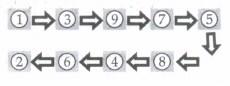
2.
(i) The Tamil Nadu government runs a Free School Uniform programme in the state.
(ii) The government procures the cloth for this programme from the powerloom weaver's cooperatives
(iii) Similarly, the government buys cloth from the handloom weaver's cooperatives and sells it through stores known as Co-optex.
3.
The earnings per shirt of the
Worker in the garment factory is 15 per shirt.
Garment exporter is 100 per shirt.
Foreign businessperson is 600 per shirt.
By looking at the above figures we find that the worker who contributes maximum earns very less whereas exporter and businessmen earns a good amount.
4.
Exporters are arranging cloth for exports.
5.
No, Swapna did not get a fair price on the cotton.
6.
There is a chain of market which links the producer to the buyer, but everyone does not benefit equally in the market.
The foreign business persons made huge profits. Compared to this, the garment exporters made moderate profits. Some people like small farmers (like Swapna), weavers, workers earn little. The profits made by the merchants or traders are somewhere in between. So everyone does not gain equally in the market. In democracy everybody has right to earn a fair wage for his work.
If people don't earn enough then they cannot think themselves as equal to others and cannot live with dignity.
The market offers people opportunities to work and earn fairly. But it is the people, who are rich powerful and have large establishments take away the maximum benefit. And the poor people, because of their dependence on the rich, are exploited in the market.
7.
No person gains equally in the market. The foreign businessmen earned huge profits followed by garment exporter, merchant and traders. The small cotton farmer, weaver and factory worker earned so little so that they can't even fulfil their day-to-day requirements. Though democracy is all about getting a fair wage in market, this is not the case in reality.
It is important for families to earn enough so that they can think of themselves as equal to others.
8.
(a)
Exporter
9.
(d)
All of the above
10.
(d)
All of these
11.
(a)
$ 26
12.
(c)
cotton
13.
()
The merchant distributes work among the weavers based on the orders he has received for cloth.
14.
()
Women in Impex garment factory are employed as helpers for thread cutting, buttoning, ironing and packaging
15.
()
Cotton was sold at Rs 1800 per quintal.
16.
()
Swapna instead of selling cotton at the Kurnool cotton market, Swapna sells it to the local trader.
17.
()
Swapna is a small cotton farmer in Kurnool, Andhra Pradesh
18.
()
wage
19.
()
cloth
20.
()
Ginning
21.
()
Rich, powerful
22.
()
cotton

7th Standard CBSE Syllabus & Materials
7th Standard CBSE
CBSE 7th Social Science Theme B - New Beginnings : Cities and States - New Sample Question Papers Study Material - QB365 Set A
NEW7th Standard CBSE
CBSE 7th Social Science Theme A - Climates of India - New Sample Question Papers Study Material - QB365 Set A
NEW7th Standard CBSE
CBSE 7th Social Science Theme A - Geographical Diversity of India - New Sample Question Papers Study Material - QB365 Set A
NEW7th Standard CBSE
CBSE 7th Science Earth, Moon and the Sun - New Sample Question Papers Study Material - QB365 Set A



CBSE 7th Standard CBSE Subjects
CBSE Standards




