
 100% FREE ACCESS
7th Standard CBSE Syllabus & Materials
7th Standard CBSE
CBSE 7th Social Science Theme E - Understanding Market - New Sample Question Papers Study Material - QB365 Set A
NEW7th Standard CBSE
CBSE 7th Social Science Theme E - From Barter to Money - New Sample Question Papers Study Material - QB365 Set A
NEW7th Standard CBSE
CBSE 7th Social Science Theme D - The Constitution of India- An Introduction - New Sample Question Papers Study Material - QB365 Set A
NEW7th Standard CBSE
CBSE 7th Social Science Theme D - From the Rulers to the Ruled : Types of Governments - New Sample Question Papers Study Material - QB365 Set A
NEW7th Standard CBSE
CBSE 7th Social Science Theme B - The Age of Reorganisation - New Sample Question Papers Study Material - QB365 Set A
NEW7th Standard CBSE
CBSE 7th Social Science Theme B - The Rise of Empires - New Sample Question Papers Study Material - QB365 Set A

Published on: 27/07/2018
In this question paper prepared from the chapter Tracing Changes Through a Thousand Years. The important questions are covers from the Higher Order Thinking Questions and Value Based Questions
Download CBSE Class 7th Standard CBSE Social Science question papers, sample papers, important questions, and previous year solved papers in PDF format. Get free study materials, NCERT solutions, and exam preparation resources for Class 7th Standard CBSE Social Science
Questions + Answers key
Take MCQ Social Science Test
1.
How historians work in interpreting and analysing historical events?
2.
How different is Medieval age from that of Modern age?
3.
What are the differences between the region of Hindustan of 13th century and the modern India?
4.
What does the term 'Pan-regional Empire' mean?
5.
What were some of the major religious developments during this period?
6.
Why do you think rulers made such claims?
7.
Can you think of any other words whose meanings change in different context?
8.
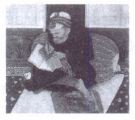
Answer the question based on following picture.
(a) What is the picture all about?
(b) What is he doing?
(c) Why is it called miniature?
(d) What were the two features of miniatures?
9.
What major changes were noticed between 750 and 1750 AD?
10.
Name the dynasties which were able to build a pan-regional empire.
Cholas and Khaljis
Mughals
Tughluqs and Mughals
Both 'a' and 'c'
11.
Name the languages mentioned by Amir Khusrau.
Sindhi and Lahori
Kashmiri and Dvarsamudri
Telangani and Gujari
All of the above
12.
The term 'Hindustan' was used firstly by which of the following?
AI-Idrisi
Minhaj-i-Siraj
Amir Khusrau
Babur
13.
From which region did AI-Idrisi belong?
Arab
France
Germany
Sri Lanka
14.
Suggest the main concept about Allah according to Muslim belief.
15.
Who were known as scribes?
16.
What were Hanafi and Shafi'i?
17.
British historians divided History into how many periods?
18.
What people did when there was change in habitat?
19.
In the middle of 19th century, history of India was divided into three parts.
20.
Persian wheel was used in transportation.
21.
Persian wheel was used in____________.
22.
_____________ were collected by wealthy people.
23.
Historical __________ exist in a variety of languages and forms.
24.
Archives are places where ________ are kept.
1.
Historians rely on different types of available sources of history to continues their research work. These are maps, inscriptions, coins, poetry, ornaments, paintings, chronicles, architecture and textual records.
Many historians analyse the changes in the social, political and economic aspects of the society. Manuscripts in archives are also a great help for historians in throwing light upon the events and happenings of history.
2.
In the medieval period, we find the spread of peasant societies, the rise of regional and imperial state formations sometimes at the cost of pastoral and forest people. Medieval period shows the development of Hinduism and Islam and the arrival of European trading companies. Modern age shows a sense of material progress and intellectual advancement. Societies reached a certain level of prosperity.
3.
The Hindustan of the 13th century implied the areas of Punjab, Haryana and the lands between the Ganga and Yamuna. Minhaj-i-Siraj used the term in a political sense for lands consisting of a part of the areas of the Delhi Sultanate modern India included all of South India which was excluded in the 13th century.
4.
By 700 AD, many regions of Indian sub-continent already possessed distinct geographical dimensions and their own language and cultural characteristics. An empire comprises of the areas of many smaller regions or smaller kingdoms.
Pan-regional empire was developed in different dynasties. e.g. the empires of Chola, Tughluqs and Mughals without losing their distinctiveness.
5.
Some of the major religious developments during this period were as follows
People started worship of new deities.
Rulers helped in the construction of temples.
Importance of Brahmanas, the priests class grew.
Sanskrit became the language of learned Brahmanas and were patronised by emperors.
Merchants and migrants brought holy Quran with them.
Idea of bhakti emerged among all the people.
6.
Rulers made the exaggerated claims of conquests as they wanted to show others that they had control over large areas. They were the real rulers of the country. No other ruler could fight or challenge them. They showed power to make others fearful towards them.
7.
Soil - It is the soil where plants are grown.
Soil - To make something dirty.
Example Soil- Fertile soil is required for good crop Soil- I do not want you soiling your hands with this Sort of work.
Copy- A thing that is made to be the same as something else.
Copy- Written material that is to be printed In a newspaper, magazine etc.
Example: I will send you a copy of the report. The subeditor prepares the reporter's copy for the paper.
8.
The picture shows a scribe.
(b) He is making a copy of a manuscript.
(c) This painting is small in size, Because of smaller size, it is called as miniature (10.5 cm by 7.1 ern).
(d) The two features of miniatures are
(i) Miniature is used to illustrate the text of manuscripts
(ii) Miniatures are so beautiful that later collectors of manuscripts took the
manuscripts apart and just sold the miniatures.
9.
Throughout the period there was a gradual clearing of forests and the extension of agriculture. These changes in their 'habitat' forcing the forest-dwellers to migrate into new lands. Many others started tilling the land and became peasants.
Regional markets, chieftains, priests, monasteries and temples began to influence the society. People were made to pay taxes to the ruler of the kingdom.
Significant developments were noticed which created differences among people and groups. Some possessed more productive lands, many others kept cattle.
People were categorised into 'Jatis' or sub-castes based on their occupations and were ranked according to their background. The status of the same Jati could vary from area to area.
10.
(d)
Both 'a' and 'c'
11.
(d)
All of the above
12.
(b)
Minhaj-i-Siraj
13.
(a)
Arab
14.
()
Muslim accept the sovereignty of the one God, Allah, whose love, mercy and bounty embrace all those who believe in him, without regard to social background.
15.
()
Scribes were those professionals who used to copy down the manuscript.
16.
()
These are the two schools of law of the medieval period of Islam.
17.
()
British historians divided Indian History into three periods- Hindu, Muslim and British.
18.
()
People usually forest-dwellers were forced to migrate when their habitat changed.
19.
(a)
20.
(b)
21.
()
irrigation
22.
()
Manuscript
23.
()
Records
24.
()
Manuscipt

7th Standard CBSE Syllabus & Materials
7th Standard CBSE
CBSE 7th Social Science Theme B - New Beginnings : Cities and States - New Sample Question Papers Study Material - QB365 Set A
NEW7th Standard CBSE
CBSE 7th Social Science Theme A - Climates of India - New Sample Question Papers Study Material - QB365 Set A
NEW7th Standard CBSE
CBSE 7th Social Science Theme A - Geographical Diversity of India - New Sample Question Papers Study Material - QB365 Set A
NEW7th Standard CBSE
CBSE 7th Science Earth, Moon and the Sun - New Sample Question Papers Study Material - QB365 Set A



CBSE 7th Standard CBSE Subjects
CBSE Standards




