
 100% FREE ACCESS
7th Standard CBSE Syllabus & Materials
7th Standard CBSE
CBSE 7th Social Science Theme E - Understanding Market - New Sample Question Papers Study Material - QB365 Set A
NEW7th Standard CBSE
CBSE 7th Social Science Theme E - From Barter to Money - New Sample Question Papers Study Material - QB365 Set A
NEW7th Standard CBSE
CBSE 7th Social Science Theme D - The Constitution of India- An Introduction - New Sample Question Papers Study Material - QB365 Set A
NEW7th Standard CBSE
CBSE 7th Social Science Theme D - From the Rulers to the Ruled : Types of Governments - New Sample Question Papers Study Material - QB365 Set A
NEW7th Standard CBSE
CBSE 7th Social Science Theme B - The Age of Reorganisation - New Sample Question Papers Study Material - QB365 Set A
NEW7th Standard CBSE
CBSE 7th Social Science Theme B - The Rise of Empires - New Sample Question Papers Study Material - QB365 Set A

Published on: 01/11/2019
CIV - Women Change The World
Download CBSE Class 7th Standard CBSE Social Science question papers, sample papers, important questions, and previous year solved papers in PDF format. Get free study materials, NCERT solutions, and exam preparation resources for Class 7th Standard CBSE Social Science
Questions + Answers key
Take MCQ Social Science Test
1.
In today's world, women are succeeding in every field. Discuss the life of any such women achiever of independent India.
2.
Read the story and answer the questions given below
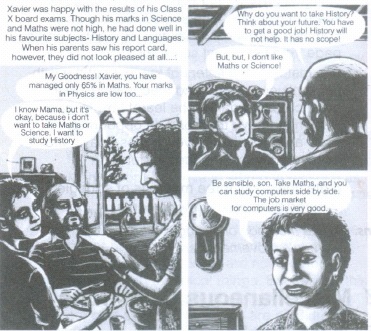
(a) If you were Xavier, what subject would you choose and why?
(b) In your experience, what are some other pressures that boys experience?
3.
Answer the following questions based on picture given below
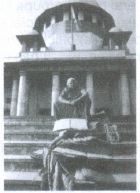
(a) Who is the person in the above picture?
(b) Where is she sitting and why?
4.
Answer the following questions based on picture given below
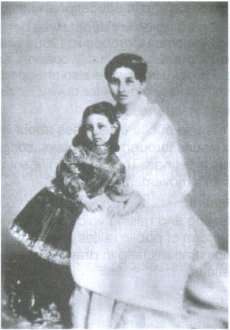
(a) Identify the person in above picture.
(b) Which title was she given and why?
(c) What was the purpose of mission set up by her?
5.
Write down any three methods of struggle adopted by women's movements.
6.
Discuss about the experience of Rashsundari Devi.
7.
What is the requirement of conducting Census every 10 years?
8.
What are the various ways women's apply to fight discrimination and seek justice?
1.
Arundhati Bhattacharya is an Indian banker and the chairperson of State Bank of India, the leading public sector bank of India. Bhattacharya was born in a Bengali family in the city of Kolkata. She spent her childhood in Bhilai. Her father, Prodyut Kumar Mukherjee worked at Bokaro Steel Plant. Her mother, Kalyani Mukherjee was a homeopathy consultant in Bokaro.
She completed her schooling from St. Xavier's School, Bokaro. She studied English Literature at Calcutta's Lady Brabourne College and then at [adavpur University. Bhattacharya joined SBI in September 1977. She is the first woman to lead an India-based Fortune India 500 company. Initially, she joined SBIin 1977 as a Probationary Officer at the age of 22 years
She has held several positions during her 36-year career with the bank including working in foreign exchange,' treasury, retail operations, human resources and investment banking. She introduced a two-year sabbatical leave policy for the bank's female employees to use either for maternity or elder care. On Women's day, she announced free vaccination against cervical cancer to all the bank's female employees.
In 2016, she was named the 25th most powerful woman in the world by Forbes. This is her first time being ranked on the list. In the same year, she was ranked among the FP Top 100 Global Thinkers by Foreign Policy magazine. She was named the 4th most powerful women in Asia Pacific by Fortune. In 2017, India Today magazine ranked her on 19th position in India's 50 most powerful people of 2017 list.
2.
(a) If I was Xavier, I would have chosen History as my subject as I love to study History and it is an interesting subject which helps in knowing about the past.
(b) Boys have to experience pressures like
Studying maths, science and computers.
Think about getting a job that pays good salary.
3.
(a) The person in the picture is Satyarani, an active member of the women's movement.
(b) She is sitting on the steps of Supreme Court to seek justice for her daughter who was murdered for dowry.
4.
(a) The person in the above picture is Ramabai with her daughter.
(b) Ramada was given the title of 'Pandita' because she was able to read and write Sanskrit.
(c) She set-up a mission in Khedgaon near Pune in 1898, where widows and poor women were motivated to become literate and independent.
5.
Three methods of struggle adopted by women's movements are
(i) Campaigning
Campaigns are a significant part of women's movement to fight discrimination and violence. Several laws have been passed as a result of campaigning
(a) A law regarding domestic violence was passed in 2006 so that women can be legally protected against physical and mental violence within their homes.
(b) The Supreme Court formed guidelines in 1997 to protect women from sexual harassment at workplace and in educational institutions.
(c) Case regarding dowry deaths was being raised by women's groups in 1980s which made it a public issue in newspapers and society. Dowry laws were also changed to punish families who ask for dowry.
(ii) Raising Awareness
It is to raise public awareness about women's rights issues through street plays, songs and public meetings. They are significant part of women's movement.
(iii) Protesting
Protesting and raising voice against violations in the form of public rallies and demonstrations help in drawing attention to injustices.
6.
Rashsundari Devi was born in West Bengal. When she was 60, she wrote her autobiography Amar Jiban in Bangia. She was a housewife from a rich landlord's family and at that time it was considered bad luck for husbands if women learnt to read and write. Even then, she was determined to read and write. According to her autobiography, she used to work whole day and without taking any rest she learned to read. Though various negative thoughts crossed her mind, still she was still keen on studying. She secretly stole a page from her husband's 'Chaitanya Bhagabat and a page from her eldest son's copy. She matched the letters of manuscript the with her son's copy page and tried to learn. With great care and pains, she learnt how to read. Her writing gave the world an opportunity to know about women's lives in those days and her everyday experiences in detail.
7.
Census is held to count the entire population. It also collects details about age group, work areas, standard of living and so on. All this data help the government to plan out the development programmes.
This helps us to know about the percentage of literate population, ratio of men and women, ratio of rural and urban population, economic status of the people, people engaged in different professions etc.
8.
The various ways women apply to fight discrimination and seek justice are:
Campaigning:
(i) It is an important part of the Women's Movement. Campaigns have led to new laws being passed in 2006 to give legal protection to those women who face physical and mental violence within their homes, also called domestic violence.
(ii) The efforts made by the Women's Movement led the Supreme Court to formulate guidelines in 1997 to protect women against sexual harassment at the workplace and within educational institutions.
(iii) In the 1980s, for example, women's groups across the country also campaigned for bringing justice to those families which have became prey to dowry deaths. Finally, this became a public issue in the newspapers and society, and the dowry laws were changed to punish families who seek dowry.
Raising Awareness: Women, in order to fight against discrimination, work hard to raise public awareness on women's right issues. They do so through several means such as street plays, songs and public meetings.
Protesting: When a law or policy acts against the interests of the women, the movement raises its voice by holding public rallies and demonstrations. These are the powerful way of drawing attention to injustices.
Showing Solidarity: The Women's Movement is also about showing solidarity with other women and causes.

7th Standard CBSE Syllabus & Materials
7th Standard CBSE
CBSE 7th Social Science Theme B - New Beginnings : Cities and States - New Sample Question Papers Study Material - QB365 Set A
NEW7th Standard CBSE
CBSE 7th Social Science Theme A - Climates of India - New Sample Question Papers Study Material - QB365 Set A
NEW7th Standard CBSE
CBSE 7th Social Science Theme A - Geographical Diversity of India - New Sample Question Papers Study Material - QB365 Set A
NEW7th Standard CBSE
CBSE 7th Science Earth, Moon and the Sun - New Sample Question Papers Study Material - QB365 Set A



CBSE 7th Standard CBSE Subjects
CBSE Standards




