
 100% FREE ACCESS
7th Standard CBSE Syllabus & Materials
7th Standard CBSE
CBSE 7th Social Science Theme E - Understanding Market - New Sample Question Papers Study Material - QB365 Set A
NEW7th Standard CBSE
CBSE 7th Social Science Theme E - From Barter to Money - New Sample Question Papers Study Material - QB365 Set A
NEW7th Standard CBSE
CBSE 7th Social Science Theme D - The Constitution of India- An Introduction - New Sample Question Papers Study Material - QB365 Set A
NEW7th Standard CBSE
CBSE 7th Social Science Theme D - From the Rulers to the Ruled : Types of Governments - New Sample Question Papers Study Material - QB365 Set A
NEW7th Standard CBSE
CBSE 7th Social Science Theme B - The Age of Reorganisation - New Sample Question Papers Study Material - QB365 Set A
NEW7th Standard CBSE
CBSE 7th Social Science Theme B - The Rise of Empires - New Sample Question Papers Study Material - QB365 Set A

Published on: 21/10/2019
GEO - Natural Vegetation And Wildlife
Download CBSE Class 7th Standard CBSE Social Science question papers, sample papers, important questions, and previous year solved papers in PDF format. Get free study materials, NCERT solutions, and exam preparation resources for Class 7th Standard CBSE Social Science
Questions + Answers key
Take MCQ Social Science Test
1.
Observe the picture given below and answer the questions that follow
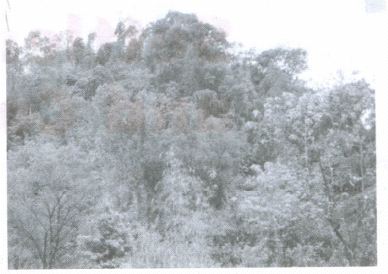
(a) In the above shown picture, what kind of forests is shown?
(b) Why can light of Sun not penetrate through them?
2.
What is vegetation? Discuss various types of vegetation.
3.
Give an account of grasslands known by different names in different regions.
4.
Explain the various types of grasslands?
5.
Write the features of temperate grasslands.
6.
Write down the features of tropical evergreen forests.
7.
Describe two types of grasslands found on the globe.
8.
Discuss various types of forests.
1.
(a) The given picture is of Tropical Evergreen forests.
(b) The light of Sun do not penetrate through them because the trees of such forests are closely spaced and have thick canopies.
2.
Natural vegetation is plants that have not been grown by humans. It doesn't need help from humans and gets whatever it needs from its natural environment. There is a close relationship between height of land and the character of vegetations. With the change in height, the climate changes and that changes natural vegetation. The growth of vegetation depends on temperature and moisture. It also depends on factors like slope and thickness of soil. It is categorised into three broad categories: Forest, grassland and shrubs.
(i) Forest A forest is a large area of land covered with trees or other woody vegetation. It is a place where temperature and rainfall are plentiful to support tree covers.
(ii) Grassland Grasslands are areas where the vegetation is dominated by grasses and bushes.
(iii) Shrubs Thorny shrubs and scrubs grow in the dry region.
3.
Grasslands are areas where the vegetation is dominated by grasses and bushes. Grasslands are known by different names in different regions.
Tropical Grasslands
(i) East Africa- Savannah (ii) Brazil- Campos (iii) Venezuela- Llanos
Temperate Grasslands
(i) Argentina- Pampas (ii) North America- Prairie (iii) South Africa- Veld (iv) Central Asia- Steppe (v) Australia- Down
4.
Grasslands are areas where the vegetation is dominated by grasses and bushes.
There are three types of grasslands:
Tropical grasslands: These are occur on either side of the equator and extends till the tropics where moderate to low amount of rainfall receives. The grass can grow very tall, about 3 to 4 metres in height. Savannah grasslands of Africa are of this type. Elephants, zebras, giraffes, deer, leopards are common in tropical grasslands.
Temperate grasslands: These are found in the mid-latitudinal zones and in the interior part of the continents. Grasses are short and nutritious. Wild buffaloes, bisons, antelopes are common in the temperate region.
Thorny bushes: These are found in the dry desert like regions. Tropical deserts are located on the Western margins of the continents.
The vegetation cover is scarce here because of scanty rain and scorching heat. Mosses, lichens and very small shrubs are found here. It grows during the very short summer; hence it is called Tundra type of vegetation.
Tundra Vegetation: This vegetation is found in the polar areas of Europe, Asia and North America. The animals have thick fur and thick skin to protect themselves from the cold climatic conditions.Seal, walruses, musk-oxen, Arctic owl, Polar bear and snow foxes are some of the animals found here.
5.
Temperate grasslands are found in mid latitudinal zone and in the interior part of the continents.
Grass here is short and nutritious.
Common animals are wild buffaloes, bisons, antilopes.
6.
(i) Tropical evergreen forests are also called tropical rainforests. They occur in the hot region near the equator and close to the tropics and they receive heavy rainfall during the year.
(ii) As there is no particular dry season, the trees do not shed their leaves altogether. This keeps the forest evergreen.
(iii) The thick canopies of the closely spaced trees do not allow the sunlight to penetrate the forest even in the day time. Hardwood trees like Rosewood, Ebony, Mahogany are common trees.
7.
(i) Tropical grasslands:
These grasslands occur on either side of the equator and extend till the tropics. This vegetation grows in the areas of moderate to low amount of rainfall. The grass can grow about 3 to 4 metres in height. Savannah grasslands of Africa are of this type. Common animals found in the tropical grasslands are elephants, zebras, giraffes, deer and leopards.
(ii) Temperate grasslands:
These grasslands are found in the mid-latitudinal zones and in the interior parts of the continents. Usually, grass here is short and nutritious. Wild buffaloes, bisons, antilopes are common in the temperate region.
8.
Types of forests:
(i) Tropical Evergreen Forests
(ii) Tropical Deciduous Forests
(iii) Temperate Evergreen Forests
(iv) Temperate Deciduous Forests
(v) Mediterranean Vegetation
(vi) Coniferous Forests.
(i) Tropical Evergreen Forests:
These forests are very dense and occur in the regions near the equator and close to the tropics. These regions receive heavy rainfall throughout the year. The trees of these forests do not shed their leaves altogether and thus they remain evergreen. The thick canopies of the closely-spaced trees do not allow the sunlight to penetrate inside the forest even in the day time. Hardwood trees like rosewood, ebony and mahogany are common here.
(ii) Tropical Deciduous Forests:
Tropical deciduous are the monsoon forests found in regions experiencing seasonal changes. Trees shed their leaves in the dry season to conserve water. The hardwood trees found in these forests are sal, teak, neem and shisham. Tigers, lions, elephants, langoors and monkeys are the common animals of these regions.
(iii) Temperate Evergreen Forests:
The temperate evergreen forests are found in the eastern margin of the continents. They comprise both hard and soft wood trees like oak, pine, eucalyptus, etc.
(iv) Temperate Deciduous Forests:
These trees are found in the northeastern part of the USA, China, New Zealand and Chile. They are also found in the coastal regions of Western Europe. They shed their leaves in the dry season. The common trees are oak, ash, beech, etc. Deer, foxes, wolves are common animals found in this region.
(v) Mediterranean Vegetation:
These are mostly found in the areas around the South-West Margins of the continents. Citrus fruits such as oranges, figs, olives and grapes are commonly cultivated here. There is not much wildlife here.
(vi) Coniferous Forests:
These forests are also called Taiga. They are also seen in the higher altitudes. They are tall, softwood evergreen trees. Chir, pine, cedar are the important varieties of trees in these forests. Silver fox, mink, polar bear are the common animals found here.

7th Standard CBSE Syllabus & Materials
7th Standard CBSE
CBSE 7th Social Science Theme B - New Beginnings : Cities and States - New Sample Question Papers Study Material - QB365 Set A
NEW7th Standard CBSE
CBSE 7th Social Science Theme A - Climates of India - New Sample Question Papers Study Material - QB365 Set A
NEW7th Standard CBSE
CBSE 7th Social Science Theme A - Geographical Diversity of India - New Sample Question Papers Study Material - QB365 Set A
NEW7th Standard CBSE
CBSE 7th Science Earth, Moon and the Sun - New Sample Question Papers Study Material - QB365 Set A



CBSE 7th Standard CBSE Subjects
CBSE Standards




