
 100% FREE ACCESS
7th Standard CBSE Syllabus & Materials
7th Standard CBSE
CBSE 7th Social Science Theme E - Understanding Market - New Sample Question Papers Study Material - QB365 Set A
NEW7th Standard CBSE
CBSE 7th Social Science Theme E - From Barter to Money - New Sample Question Papers Study Material - QB365 Set A
NEW7th Standard CBSE
CBSE 7th Social Science Theme D - The Constitution of India- An Introduction - New Sample Question Papers Study Material - QB365 Set A
NEW7th Standard CBSE
CBSE 7th Social Science Theme D - From the Rulers to the Ruled : Types of Governments - New Sample Question Papers Study Material - QB365 Set A
NEW7th Standard CBSE
CBSE 7th Social Science Theme B - The Age of Reorganisation - New Sample Question Papers Study Material - QB365 Set A
NEW7th Standard CBSE
CBSE 7th Social Science Theme B - The Rise of Empires - New Sample Question Papers Study Material - QB365 Set A

Published on: 21/11/2019
Tracing Changes Through a Thousand Years
Download CBSE Class 7th Standard CBSE Social Science question papers, sample papers, important questions, and previous year solved papers in PDF format. Get free study materials, NCERT solutions, and exam preparation resources for Class 7th Standard CBSE Social Science
Questions + Answers key
Take MCQ Social Science Test
1.
What was the outcome of easy availability of paper in the 14th century?
2.
What does the word 'Rajputs' stand for ? Who were considered as Rajputs?
3.
Paper became cheaper in the later years of Medieval period. How it affected the people?
4.
List some of the technological changes associated with this period.
5.
Can you think of any other words whose meanings change in different context?
6.
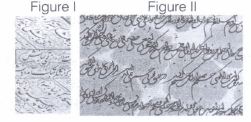
On the basis of the given picture, answer the following questions.
(a) What do the above figures shows?
(b) What are the differences that one can make out from the two given figures?
7.
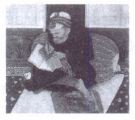
Answer the question based on following picture.
(a) What is the picture all about?
(b) What is he doing?
(c) Why is it called miniature?
(d) What were the two features of miniatures?
8.
What major changes were noticed between 750 and 1750 AD?
9.
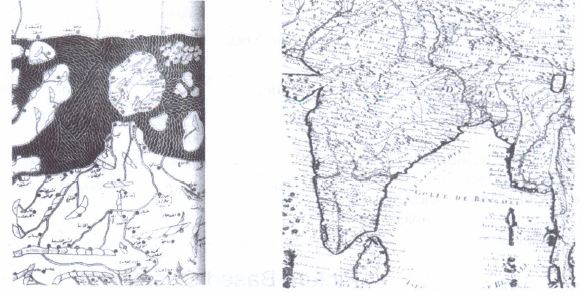
Compare either Map 1 or Map 2 with the present day map of the subcontinent listing as many similarities and differences (page no) as you can find.
10.
Difficulties faced by the historians in using manuscripts are:
Hand writing of manuscripts is not clear.
Lot of information is provided in Manuscripts
Manuscripts were copied by hand.
None of these.
11.
Cartographer is the person who draws
Paintings
Pictures
Sketches
Maps
12.
Name the languages mentioned by Amir Khusrau.
Sindhi and Lahori
Kashmiri and Dvarsamudri
Telangani and Gujari
All of the above
13.
Which of the followings are sources of History?
Monuments
Coins
Artefacts and paintings
All of the above
14.
Maps are drawn by which of the following?
Painter
Sailors
Cartographer
Historians
15.
In which three periods the British historians divided the history of India?
16.
Which were the new groups of people prominent in the medieval age?
17.
What do you mean by 'archives'?
18.
Which were the areas included in Hindustan by Minhaj-i-Siraj in his writings?
19.
What people did when there was change in habitat?
20.
______ referred to learned theologians and jurists
21.
The name Rajput has been derived from ________
22.
Minhaj-i-siraj was a chronicler, who wrote in ______
23.
_____________ were collected by wealthy people.
24.
Historical __________ exist in a variety of languages and forms.
1.
(i) Paper was used by people to write holy text, letters and teachings of saints, ruler's chronicles, petitions and judicial records and for maintaining accounts and taxes.
(ii) Manuscripts were collected by wealthy people, rulers, temples and monasteries. These manuscripts were placed in libraries and archives that provided a lot of details to historians.
2.
Rajputs word has been derived from 'Rajaputra', the son of a ruler. Between the eighth and fourteenth centuries, the term was applied to a body of warriors, who claimed Kshatriya caste status.
This term not only included rulers and chieftains but also commanders and soldiers. They served in the armies of different monarchs all over the subcontinent.
3.
Historians relied on coins, inscriptions, architecture and textual records for collecting historical informations. Gradually, paper became cheaper and more widely available in medieval period. This resulted in increase of use of paper in writing holy texts by priests, chronicles of rulers, letters and teachings of saints, petitions and judicial records and for registers of accounts and taxes.
4.
The technological changes are
Use of Persian wheel in irrigation.
Use of spinning wheel in weaving.
Use of firearms in a battlefield.
5.
Soil - It is the soil where plants are grown.
Soil - To make something dirty.
Example Soil- Fertile soil is required for good crop Soil- I do not want you soiling your hands with this Sort of work.
Copy- A thing that is made to be the same as something else.
Copy- Written material that is to be printed In a newspaper, magazine etc.
Example: I will send you a copy of the report. The subeditor prepares the reporter's copy for the paper.
6.
(a) Both the figures show the handwriting of Persian and Arabic languages.
(b) Ist figure is cursive and easy to read, it is called the nastaliq style.
IInd figure is denser and more difficult to understand, it is called as shikaste style.
7.
The picture shows a scribe.
(b) He is making a copy of a manuscript.
(c) This painting is small in size, Because of smaller size, it is called as miniature (10.5 cm by 7.1 ern).
(d) The two features of miniatures are
(i) Miniature is used to illustrate the text of manuscripts
(ii) Miniatures are so beautiful that later collectors of manuscripts took the
manuscripts apart and just sold the miniatures.
8.
Throughout the period there was a gradual clearing of forests and the extension of agriculture. These changes in their 'habitat' forcing the forest-dwellers to migrate into new lands. Many others started tilling the land and became peasants.
Regional markets, chieftains, priests, monasteries and temples began to influence the society. People were made to pay taxes to the ruler of the kingdom.
Significant developments were noticed which created differences among people and groups. Some possessed more productive lands, many others kept cattle.
People were categorised into 'Jatis' or sub-castes based on their occupations and were ranked according to their background. The status of the same Jati could vary from area to area.
9.
Differences Map 1 and Map 2 given in the NCERT text book (Map 2) represent two different times
Map 1 was made in 1154 CE by Al-ldrisi, an Arab geographer, the map given here is the map of Indian subcontinent from his larger map of the world.
Map 2 was made by a French cartographer in 1720. Both maps are quite different from each other in mode of presentation and contexts. However, both traced the outlines of the area of Indian subcontinent in their cartography.
Similarities Map 1, South India was at that place where North India is at present and Sri Lanka is the island the top. Name of place were in Arabic. Today's map of India is far ahead of Map 1 and Map 2. It is made to scale and shows clear-cut boundaries and areas.
10.
(c)
Manuscripts were copied by hand.
11.
(d)
Maps
12.
(d)
All of the above
13.
(d)
All of the above
14.
(c)
Cartographer
15.
()
British historians divided the history of India in the following three periods : 1. Hindu, 2. Muslim and 3. British.
16.
()
Prominent groups of the people in this age were Rajputs, Marathas, Sikhs, Jats, Ahoms and Kayasthas.
17.
()
Archives were the places where manuscripts and documents were kept or collected.
18.
()
Minhaj-i-Siraj used 'Hindustan' to refer the areas of Punjab, Haryana and the lands between the Ganga and Yamuna.
19.
()
People usually forest-dwellers were forced to migrate when their habitat changed.
20.
()
Ulama.
21.
()
Rajputra
22.
()
Persian
23.
()
Manuscript
24.
()
Records

7th Standard CBSE Syllabus & Materials
7th Standard CBSE
CBSE 7th Social Science Theme B - New Beginnings : Cities and States - New Sample Question Papers Study Material - QB365 Set A
NEW7th Standard CBSE
CBSE 7th Social Science Theme A - Climates of India - New Sample Question Papers Study Material - QB365 Set A
NEW7th Standard CBSE
CBSE 7th Social Science Theme A - Geographical Diversity of India - New Sample Question Papers Study Material - QB365 Set A
NEW7th Standard CBSE
CBSE 7th Science Earth, Moon and the Sun - New Sample Question Papers Study Material - QB365 Set A



CBSE 7th Standard CBSE Subjects
CBSE Standards




