
 100% FREE ACCESS
7th Standard CBSE Syllabus & Materials
7th Standard CBSE
CBSE 7th Social Science Theme E - Understanding Market - New Sample Question Papers Study Material - QB365 Set A
NEW7th Standard CBSE
CBSE 7th Social Science Theme E - From Barter to Money - New Sample Question Papers Study Material - QB365 Set A
NEW7th Standard CBSE
CBSE 7th Social Science Theme D - The Constitution of India- An Introduction - New Sample Question Papers Study Material - QB365 Set A
NEW7th Standard CBSE
CBSE 7th Social Science Theme D - From the Rulers to the Ruled : Types of Governments - New Sample Question Papers Study Material - QB365 Set A
NEW7th Standard CBSE
CBSE 7th Social Science Theme B - The Age of Reorganisation - New Sample Question Papers Study Material - QB365 Set A
NEW7th Standard CBSE
CBSE 7th Social Science Theme B - The Rise of Empires - New Sample Question Papers Study Material - QB365 Set A

Published on: 31/10/2025
Download CBSE Class 7th Standard CBSE Science question papers, sample papers, important questions, and previous year solved papers in PDF format. Get free study materials, NCERT solutions, and exam preparation resources for Class 7th Standard CBSE Science
Questions + Answers key
Take MCQ Science Test
1.
The hair of sheep are called _________.
2.
Silk and wool are ________ fibres
3.
Silk is a _______ conductor of heat.
4.
A ______ is a long continuous thread.
5.
Silkworms are ______ of silk moth.
6.
Wool yielding animals bear ______ on their body.
7.
Silkworm feeds on oak leaves.
8.
Silk is a natural carbohydrate fibre.
9.
Like wool, silk also keeps us warm as it is a bad conductor of heat.
10.
The angora rabbit yields best variety of wool
11.
The rearing of silkworms for obtaining silk is called silviculture.
12.
In India, camels and goats are generally reared for obtaining wool.
13.
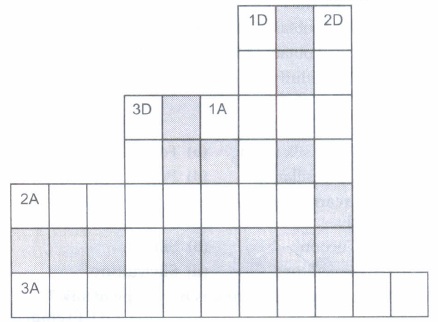
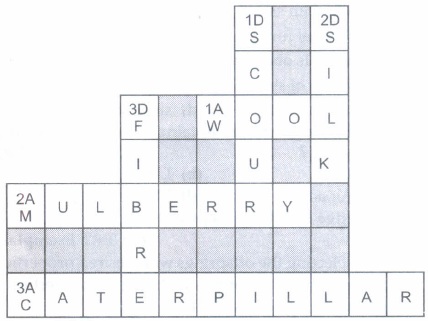
Given below is a crossword puzzle based on this lesson. Use hints to fill in the blank spaces with letters that complete the words.
| Down | Across |
|---|---|
| 1: Through washing | 1: Keeps warm |
| 2: Animal fibre | 2: Its leaves are eaten by silkworms |
| 3: long thread like structure | 3: Hatches from egg of moth |
14.
From which of the following wool fibre cannot be otained?
15.
The silk worm is a) a caterpillar b) a larva. Choose the correct option .
a
b
both a and b
neither a nor b
16.
Which of the following does not yield wool ?
yak
camel
goat
woolly dog
17.
The term sericulture is used for
culture of bacteria
rearing of silkworm
making silk fabric from silk yarn
production of sarees
18.
Silk fibre is obtained from
fleece of sheep
cotton ball
cocoon
shiny jute stalk
19.
Silkworm is called:
Adult silk moth
Female silk moth
Caterpillar
Pupa
20.
Which one is animal fibre?
Cotton
Silk
Polyester
Jute
21.
Silk is a :
Staple fibre
Rough fibre
Filament fibre
Textured fibre
22.
Where the wool is obtained from?
23.
What is Cocoon?
24.
What is Pupa?
25.
Name some animals which provide wool.
26.
What is shearing?
27.
What is the meant by selective breeding?
28.
Name the three types of fibres.
29.
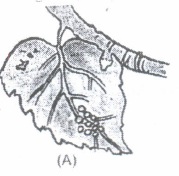
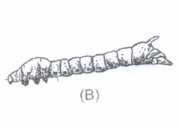
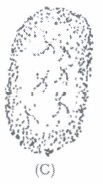
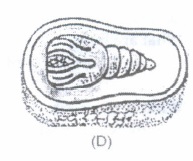
Write a caption for each of the figures given as Figure (A-D).
30.
What are the uses of wool?
31.
Why are silk fibres called animals fibres?
32.
Give a brief account of wool manufacturing.
1.
()
fleece
2.
()
animal
3.
()
poor
4.
()
yarn
5.
()
larvae
6.
()
hair
7.
(b)
8.
(b)
9.
(a)
10.
(a)
11.
(b)
12.
(b)
13.
| Down | Across |
|---|---|
| 1: Through washing | 1: Keeps warm |
| 2: Animal fibre | 2: Its leaves are eaten by silkworms |
| 3: long thread like structure | 3: Hatches from egg of moth |
14.
15.
16.
17.
(b)
rearing of silkworm
18.
(c)
cocoon
19.
(c)
Caterpillar
20.
(b)
Silk
21.
(c)
Filament fibre
22.
()
23.
()
The covering of silk fibres inside which the caterpillar covers itself is called cocoon.
24.
()
The stage next to caterpillars in the life cycle of a silk moth is called pupa.
25.
()
Sheep and Yak
26.
()
Shearing is a process is which fleece of the sheep along with a thin layer of skin is removed from its body.
27.
()
The process of selecting parents for obtaining special characters in their offspring such as soft hair in sheep is term as selective breeding.
28.
()
(i) Plant fibre
(ii) Animal fibre
(iii) Synthetic fibre
29.
(A) Eggs of silk moth on mulberry leaves
(B) Silkworm
(C) Cocoon
(D) Cocoon with developing moth.
30.
Wool is used for making fabrics, shawls, blankets, carpets, felt and upholstery. Wool felt is used to cover piano hammers. It is also used to absorb noise in heavy industry and stereo-speakers.
31.
Silk fibres are derived from silkworms and are therefore called animal fibres. The scientific name for the silk producing moth (species) is Bambyx mari. It is one of the most beautiful moth.
32.
The wool is obtained from the hair of sheep in the following steps:
Step I-Shearing: The fleece of the sheep along with a thin layer of skin is removed from its body. Machines similar to those used by barbers are used to shave off hair. Usually, hair removed during the hot weather.
Step II-Scouring: The sheared skin with hair is thoroughly washed in tanks to remove grease, dust and dirt.
Step III-Sorting: The hairy skin is sent to a factory where hair of different textures are separated or sorted.
Step IV-The small fluffy fibres, called burrs are picked out from the hair. The fibres are scoured again and again and dried.
Step V-Fibres can be dyed in various colours.
Step VI-The fibres are straightened, combed and rolled into yarn. The long fibres are made into wool for sweaters and the shorter fibres are spun and woven into woollen clothes.

7th Standard CBSE Syllabus & Materials
7th Standard CBSE
CBSE 7th Social Science Theme B - New Beginnings : Cities and States - New Sample Question Papers Study Material - QB365 Set A
NEW7th Standard CBSE
CBSE 7th Social Science Theme A - Climates of India - New Sample Question Papers Study Material - QB365 Set A
NEW7th Standard CBSE
CBSE 7th Social Science Theme A - Geographical Diversity of India - New Sample Question Papers Study Material - QB365 Set A
NEW7th Standard CBSE
CBSE 7th Science Earth, Moon and the Sun - New Sample Question Papers Study Material - QB365 Set A



NCERT Books

Syllabus

Exam Pattern

Sample Question Papers

Previous year Question Papers

Important Notes

MCQ Practice test

NCERT Exemplers

Case study Questions

Image Based Questions

Passage based Questions

HOT Questions

Value Based Questions

Model Questions Papers
NCERT ( Book Back ) Questions

Assertion and Reason
Important Questions And Answers

CBSE 7th Standard CBSE Subjects
CBSE Standards


