
 100% FREE ACCESS
7th Standard CBSE Syllabus & Materials
7th Standard CBSE
CBSE 7th Social Science Theme E - Understanding Market - New Sample Question Papers Study Material - QB365 Set A
NEW7th Standard CBSE
CBSE 7th Social Science Theme E - From Barter to Money - New Sample Question Papers Study Material - QB365 Set A
NEW7th Standard CBSE
CBSE 7th Social Science Theme D - The Constitution of India- An Introduction - New Sample Question Papers Study Material - QB365 Set A
NEW7th Standard CBSE
CBSE 7th Social Science Theme D - From the Rulers to the Ruled : Types of Governments - New Sample Question Papers Study Material - QB365 Set A
NEW7th Standard CBSE
CBSE 7th Social Science Theme B - The Age of Reorganisation - New Sample Question Papers Study Material - QB365 Set A
NEW7th Standard CBSE
CBSE 7th Social Science Theme B - The Rise of Empires - New Sample Question Papers Study Material - QB365 Set A

Published on: 31/10/2025
Download CBSE Class 7th Standard CBSE Science question papers, sample papers, important questions, and previous year solved papers in PDF format. Get free study materials, NCERT solutions, and exam preparation resources for Class 7th Standard CBSE Science
Questions + Answers key
Take MCQ Science Test
1.
Observe the given figure and answer the following.
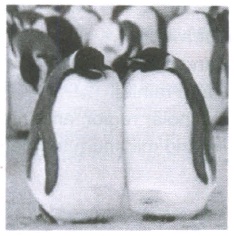
(a) Name the birds shown in figure.
(b) What are these birds doing and why?
(c) These birds live in which region?
2.
Differentiate between
(b) humidity and rainfall
(c) climates of polar region and tropical rainforest
(d) maximum and minimum temperatures of the day
3.
Write the factors which affect the climate of a particular place.
4.
Explain with examples, why we find animals of certain kind living in particular climatic conditions.
5.
When are the maximum and minimum temperatures likely to occur during the day?
6.
Elephant has
long beak
large ears
striped skin
fat layer under skin
7.
Which of the following briefly describes the desert climate?
Hot and humid
Dry and humid
Hot and dry
Hot and wet
8.
When the sun's heat reaches to the lowest level, it is called
maximum temperature
minimum temperature
average temperature
None of the above
9.
Humidity in climate is due to
rainfall
amount of water vapour in the air
snowfall
wind
10.
Which features adapt polar bears to live in extremely cold climate?
A white fur, fat below skin, keen sense of smell.
Thin skin, large eyes, a white fur.
A long tail, strong claws, white large paws
White body, paws for swimming, gills for respiration.
11.
_____________ are good swimmers.
12.
____________ animals becomes active during night.
13.
The seasonal journey taken by the animals to escape extreme climatic conditions is called ____________
14.
The two regions of the earth with extreme climate conditions are ___________ and ______________
15.
The average weather taken over a long time is called ____________
16.
Why is it difficult to predict the weather of a place while it is easy to predict its climate?
17.
Give the name of few animals that can live in the polar region.
18.
Name the primary sources of energy which cause changes in the weather.
19.
A fish dies when taken out of water, whereas a wall lizard will die if kept under water. Mention the term used to describe such abilities that allow fish and lizard to survive in their respective habitats.
20.
During rainy season, what do we use to protect ourselves from rainwater?
21.
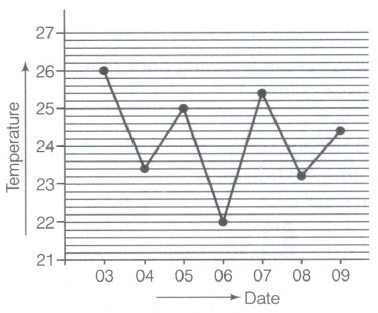
The following graph shows the change in temperature. Answer according to the reading of graph.
(a) Draw a table and fill the temperature change of each day.
(b) Which day show the highest temperature?
(c) Which day shows the minimum temperature?
22.
Rohan went to the desert of Rajasthan with his freinds. He saw an animal. It had a hump. Its feet had large soles. He wondered about this animal. He found that these were adaptations of that animal which helped it to survive in very hot and dry climate of the desert. Answer the following questions on the basis of the observations seen by Rohan.
(a) Name the animal Rohan observed in the desert of Rajasthan?
(b) What role does this hump has in this animal?
(c) Why do it has large soles?
(d) Can you give same more adaptations of this animal which help it to survive in desert?
(e) What values do you observe in Rohan?
23.
Lion-tailed macaque
24.
Penguin
25.
Light coloured clothes
26.
Tusk of elephant
27.
Month of June
1.
(a) The bird shown in figure is penguin.
(b) Penguins are huddling together to keep them warm.
(c) These birds are found in polar regions.
2.
(b) Humidity indicates the wetness of a place due to the presence of moisture in the atmosphere while rainfall is the drop of water that falls from clouds on the ground.
(c) Polar region remains very cold for most part of the year, whereas tropical rainforest is hot and humid.
(d) Maximum and minimum temperatures of the day indicate highest and lowest recorded temperatures respectively.
3.
The factors that affect the climate of a place are
(i) Temperature zone or latitude, i.e. amount of sunshine it receives or distance from equator.
(ii) Distance from sea.
(iii) Altitude or height above the sea level.
(iv) Humidity or the presence of moisture in air.
(v) Amount of precipitation received or rainfall.
4.
Climate has a profound effect on all living organisms. Animals are adapted to survive in the conditions in which they live. Animals living in very cold and hot climate must possess special features to protect themselves against the extreme cold or heat, e.g. animals living in polar regions have adaptations such as white fur, strong sense of smell, thick skin, lot of fats to protect it from cold, wide, large paws for swimming, etc.
5.
The maximum temperature of the day occurs generally in the afternoon while the minimum temperature occurs generally in the early morning.
6.
(b)
large ears
7.
(c)
Hot and dry
8.
(b)
minimum temperature
9.
(b)
amount of water vapour in the air
10.
(a)
A white fur, fat below skin, keen sense of smell.
11.
()
Penguins
12.
()
Nocturnal
13.
()
migration
14.
()
tropical, polar region
15.
()
climate
16.
Weather is a complex phenomenon which can vary over a short period of time and thus it is difficult to predict the weather of a place while it is easier to predict climate as it is the average weather pattern taken for a long time.
17.
Penguin, polar bear, whale, seal and musk oxen live in polar region.
18.
The sun is the primary source of energy that causes Change in the weather.
19.
Adaptation is the term used to describe such ability. Animals are adapted to survive in the conditions in which they live. So, fish dies when taken out of water while wall lizard dies if kept under water.
20.
We use umbrella or raincoat to protect ourselves from rainwater during rainy season.
21.
(a) Table showing the reading of temperature from the graph:
| Date | Maximum temperature |
|---|---|
| 03/11/14 | 26.0oC |
| 04/11/14 | 23.5oC |
| 05/11/11 | 25.0oC |
| 06/11/14 | 22.0oC |
| 07/11/14 | 25.5oC |
| 08/11/14 | 23.3oC |
| 09/11/14 | 24.4oC |
(b) The highest temperature is seen on 3rd November, 2014.
(c) The lowest temperature or minimum temperature was seen on 06th November, 2014.
22.
(a) Rohan observed a camel in the desert of Rajasthan.
(b) The hump stores fat which provides camel with food in times of food shortage.
(c) The feets of camel has large soles which help it to walk on soft sond.
(d) Camel can drink a very large quantity of water at a time which is stored in its stomach. It sweats very little which helps it to conserve water. Also it excretes very little water in the form of urine.
(e) Rohan is observant, curious and adventurer. He asks intelligent questions.
23.
()
Silver-white mane
24.
()
Streamlined body
25.
()
Used in summers
26.
()
Long pointed teeth
27.
()
Longer days, shorter night

7th Standard CBSE Syllabus & Materials
7th Standard CBSE
CBSE 7th Social Science Theme B - New Beginnings : Cities and States - New Sample Question Papers Study Material - QB365 Set A
NEW7th Standard CBSE
CBSE 7th Social Science Theme A - Climates of India - New Sample Question Papers Study Material - QB365 Set A
NEW7th Standard CBSE
CBSE 7th Social Science Theme A - Geographical Diversity of India - New Sample Question Papers Study Material - QB365 Set A
NEW7th Standard CBSE
CBSE 7th Science Earth, Moon and the Sun - New Sample Question Papers Study Material - QB365 Set A



NCERT Books

Syllabus

Exam Pattern

Sample Question Papers

Previous year Question Papers

Important Notes

MCQ Practice test

NCERT Exemplers

Case study Questions

Image Based Questions

Passage based Questions

HOT Questions

Value Based Questions

Model Questions Papers
NCERT ( Book Back ) Questions

Assertion and Reason
Important Questions And Answers

CBSE 7th Standard CBSE Subjects
CBSE Standards


