
 100% FREE ACCESS
11th Standard Syllabus & Materials
11th Standard
TN 11th Tamil இயற்கை வேளாண்மை,சுற்றுச்சூழல் -செய்யுள் - மனோன்மணீயம் Important Questions And Answers Study Material - QB365 Set A
NEW11th Standard
TN 11th Tamil என்னுயிர் என்பேன் -துணைப்பாடம் - இசைத்தமிழர் இருவர் Important Questions And Answers Study Material - QB365 Set A
NEW11th Standard
TN 11th Tamil மொழி கலை -செய்யுள் - ஒவ்வொரு புல்லையும் Important Questions And Answers Study Material - QB365 Set A
NEW11th Standard
TN 11th Tamil பீடு பெற நில் - இலக்கணம் - பகுபத உறுப்புகள் Important Questions And Answers Study Material - QB365 Set A
NEW11th Standard
TN 11th Tamil பீடு பெற நில் - துணைப்பாடம் - வாடிவாசல் Important Questions And Answers Study Material - QB365 Set A
NEW11th Standard
TN 11th Tamil பீடு பெற நில் - செய்யுள் - குறுந்தொகை Important Questions And Answers Study Material - QB365 Set A

Published on: 14/03/2020
11th Standard Biology English Medium All Chapter Book Back and Creative Five Marks Questions 2020
Download Tamil Nadu 11th Standard Biology question papers, model tests, one-mark questions, important questions, and public exam papers in PDF format. Free study materials and answer keys for TN State Board students.
Questions + Answers key
Take MCQ Biology Test1.
How will you calculate net products of one sucrose molecule upon complete oxidation during aerobic respiration as per recent view?
2.
In Botany class, teacher explains, Synthesis of one glucose requires 30 ATPs in C4 plants and only 18 ATPs in C3 plants. The same teacher explains C4 plants are more advantageous than C3 plants. Can you identify the reason for this contradiction?
3.
Give the economic importance of Silkworm
4.
Explain the conditions which creates problems in oxygen transport.
5.
Describe the features of human kidney.
6.
Identify the biological term
Excretion, glomerulus, urinary bladder, glomerular filtrate, ureters,urine, Bowman’s capsule, urinary system, reabsorption, micturition, osmosis, proteins.
a. A liquid which gathers in the bladder.
b. Produced when blood is filtered in a Bowman’s capsule.
c. Temporary storage of urine.
d. A ball of intertwined capillaries.
e. Removal of unwanted substances from the body.
f. Each contains a glomerulus.
g. Carry urine from the kidneys to the bladder.
h. Scientific term for urination.
i. Regulation of water and dissolved substances in blood and tissue fluid.
j. Consists of the kidneys, ureters and bladder.
k. Removal of useful substances from glomerular filtrate.
l. What solute the blood contains that are not present in the glomerular filtrate?
7.
Could the number of eggs or young ones produced by an oviparous and viviparous female be equal? Why?
8.
Observe the animal below and answer the following questions.
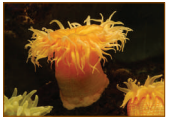
a. Identify the animal
b. What type of symmetry does this animal exhibit?
c. Is this animal Cephalized?
d. How many germ layers does this animal have?
e. How many openings does this animal's digestive system have?
f. Does this animal have neurons?
9.
Can we use recent molecular tools to identify and classify organisms?
10.
Describe the types of RNA.
11.
How does molecular markers work to unlock the evolutionary history of organisms?
12.
Write down the steps involved in the preparation of blood smear?
13.
Write down the uses of CT?
14.
Explain the hormones secreted by adrenal glands and Mention the hormone which is referred as '3F' hormone.
15.
Explain the disorders due to hyper and hyposecretion of glucocortioids.
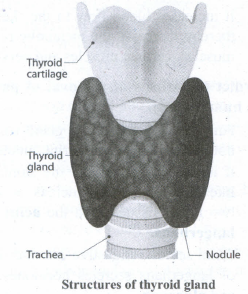
16.
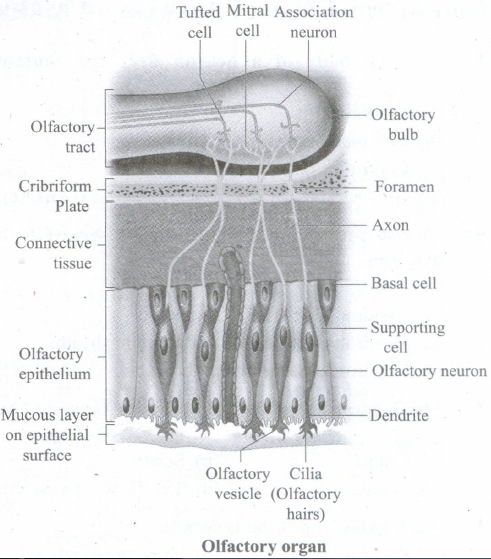
17.
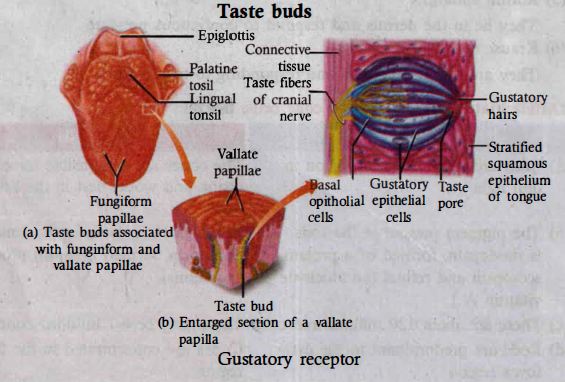
How do you distinguish shark fish from cat fish?
18.
"Photosynthesis protects us from harmful ultraviolet radiation of sun" comment on the statement
19.
Explain the modern concept of Photosynthesis.
20.
Draw a neat labelled diagram of dicot leaf?
21.
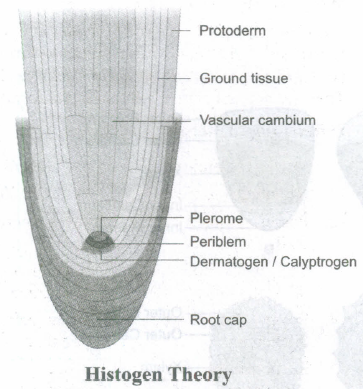
Explain any two theory of root apical meristem
22.
Why do cut leaves dipped in cytokinins stay green for longer duration?
23.
Write a note an ethylene.
24.
Write a note on parasitic mode of Nutrition?
25.
Explain Micronutrients, their role and deficiency diseases.
26.
Draw a flowchart to show Pentose Phosphate pathway?
27.
Differentiate aerobic respiration from anaerobic respiration.
28.
Explain Cytochrome pump theory?
29.
(a) Define osmosis
(b) Explain the types
(c) Demonstrate an experiment to prove osmosis.
30.
List the differences between Sap wood and Heart wood?
31.
Explain the principle involved in PET scan
32.
Write the clinical significance of ultra sonogram
33.
Explain the transport of carbon dioxide.
34.
Explain about cardiac output (CO).
35.
Describe the process of transformation.
36.
Explain the morphological features of frog.
37.
Explain the salivary glands.
38.
Explain the structure of the large intestine.
39.
List the three features common to all chordates at sometime in their life.
40.
Describe the process of Cytokinesis in Plant cell & Animal Cell.
41.
Define bud. Explain the types of buds based on location.
42.
Enumerate the general character of Bryophytes.
43.
Write the General characters of Family: Fabaceae
44.
Write the significance G1 phase.
45.
Write the Flow Chart of Edible Parts of Fruits
46.
Expalin the Fusion of stamens
47.
Write a detailed study on Physical Properties of Protoplasm.
48.
Describe the Nucleic Acids
49.
Write about the following disorders of circulatory system.
(a) Hypertension
(b) Coronary heart disease.
(c) Angina pectoris.
(d) Stroke
(e) Myocardial infarction.
(f) Rheumatoid heart disease.
50.
What are the general features of Reptilians?
51.
Describe the structure of eukaryotic flagella and explain the movement of flagellum.
52.
Define the following terms and write their symptoms also.
(i) Asthma, (ii) emphysema, (iii) bronchitis, (iv) pneumonia,(v) tuberculosis (vi) Occupotionol respiratory disorders.
53.
Write about the different types of compound epithelium.
54.
What are the vital functions of root? Explain each function with suitable example.
55.
Give a concise account on asexual reproduction in bacteria.
56.
57.
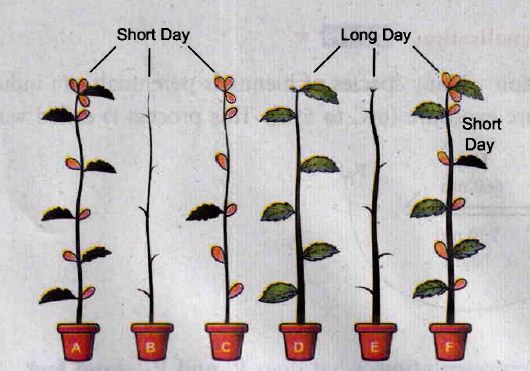
Describe the mechanism of photoperiodic induction of flowering.
58.
Explain the reactions taking place in mitochondrial inner membrane.
59.
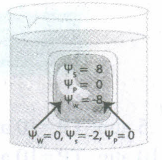
An artificial cell made of selectively permeable membrane immersed in a beaker (in the figure). Read the values and answer the following questions?
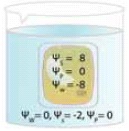
a. Draw an arrow to indicate the direction of water movement
b. Is the solution outside the cell isotonic, hypotonic or hypertonic?
c. Is the cell isotonic, hypotonic or hypertonic?
d. Will the cell become more flaccid, more turgid or stay in original size?
e. With reference to artificial cell state, the process is endosmosis or exosmosis? Give reasons.
60.
A transverse section of the trunk of a tree shows concentric rings which are known as growth rings. How are these rings formed? What are the significance of these rings?
61.
Continuous state of dividing tissue is called meristem. In connection to this, what is the role of lateral meristem?
62.
63.
Distinguish the anatomy of dicot root from monocot root.
64.
Explain the structure of cochlea.
65.
List the differences between sympathetic and parasympathetic neural system.
66.
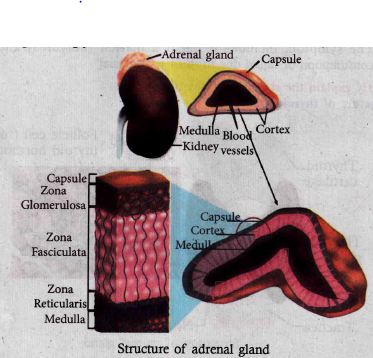
Name the layers of adrenal cortex and mention their secretions.
67.
Briefly explain the structure of thyroid gland.
68.
Describe the structures of olfactory receptors.
69.
The sense of taste is considered to be the most pleasurable of all senses. Describe the structure of the receptor involved with a diagram.
70.
Write a note on types of chicken breeds.
71.
Explain the stages involved in rearing of poultry.
72.
Write a note on the structure of contractile protein.
73.
How are skeletal muscle fibres classified?
74.
75.
Explain the sliding- filament theory of muscle contraction.
76.
Animal husbandry is the science of rearing, feeding and caring, breeding and disease control of animals. It ensures supply of proper nutrition to our growing population through activities like increased production and improvement of animal products like milk, eggs, meat, honey, etc.
a. Poultry production depends upon the photoperiod. Discuss
b. Polyculture of fishes is of great importance. Discuss.
77.
Sketch a flow chart to show the path way of air flow during respiration.
78.
Write a note on
a) Uremia
b) Renal Calculi
79.
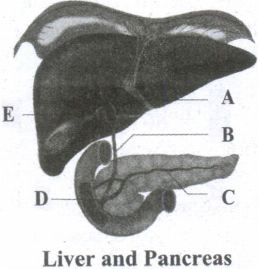
Label the given diagram.
80.
Draw and label the mouthparts of the cockroach.
81.
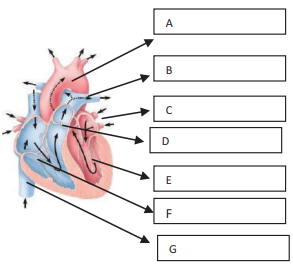
Name and Label the given diagrams to show A, B, C, D, E, F, and G
82.
83.
Explain the excretory system of frog.
84.
How respiration takes place in cockroach?
85.
Write a note on muscle tissue.
86.
What is an epithelium? Enumerate the characteristic features of different epithelia.
87.
Write the classification of connective tissue and their functions.
88.
Explain the role of Latin and Greek names in Biology.
89.
After a forest fire, when above ground plant parts are killed ferns are often one first plants to appear? Why?
90.
Describe Datura metal in botanical terms.
91.
Write a note on the Structure of proteins.
92.
Write the similarities and difference between
a. Radical buds and foliar buds
b. Phylloclade and cladode
93.
Explain the different types of fleshy fruit with suitable example.
94.
Give a general account on lichens.
95.
What are the factors affecting the rate of enzyme reaction?
96.
Draw the ultra structure of plant cell.
97.
How will you distinguish Solanaceae members from Liliaceae members?
98.
99.
Write about Pachytene and Diplotene of Prophase I.
100.
101.
What are the parameters which control water potential?
102.
How are the kidneys involved in controlling blood volume? How is the volume of blood in the body related to arterial pressure?
1.
| Stages | ATP | NADH2 | FADH2 | Total ATPs |
| Glycolysis Link reaction Kreb's cycle |
2 - 2 |
2 \(\times\) 2.5 2 \(\times\) 2.5 6 \(\times\) 2.5 |
0 |
7 5 20 |
| 4 ATPs | 25 ATPs | 3 ATPs | 32 ATPs |
2.
C4 plants are more advantageous than C3 plants because increasing the proportion of C4 plants on earth could assist biosequestration of CO2 and represent an important cilmate change avoidance strategy.
3.
Economic importance of Silk:
1. Silk fibers are utilized in preparing silk clothes. Silk fibers are now combined with other natural or synthetic fibers to manufacture clothes like Teri-silk, Cot-silk etc.
2. Silk is dyed and printed to prepare ornamented fabrics. They are generally made from Eri-silk or spun silk.
2. Silk is used in industries and for military purposes.
3. It is used in the manufacture of fishing fibers, parachutes, cartridge bags, insulation coils for telephone, wireless receivers, tyres of racing cars, filter fibres, in medical dressings and as suture materials.
4.
Conditions which create the problems in O2 transport:
(i) Poor ventilation.
(ii) Less quantity of haemoglobin.
(iii) Anaemia
(iv) Histotoxic conditions of tissue fluid.
(v) Inability for the transport of O2 into cell due to cellular disorder.
5.
Kidneys-external
(i) A paired bean-shaped kidney lie one on either side of the vertebral column.
(ii) Kidneys are covered by renal capsule.
(iii) Kidneys are reddish brown in colour.
(iv) Each kidney weighs about 120-170 grams.
(v) The envelops of kidney are
(a) Renal fascia
(b) Peritoneal fat capsule
(c) Fibrous capsule
(vi) In the superior lumbar region lies the kidney at the levels of the last thoracic vertebra(T12) and third lumbar vertebra(L3).
(vii) The right kidney is placed slightly lower than the left kidney because a large right lobe of liver occupies more space in lower abdominal cavity.
Kidneys-Internal Region
(i) The longitudinal section(Ls) of kidney shows two regions
(a) cortex
(i) An outer region of kidney extends in between medullary pyramids as the renal columns of Bertini.
(ii) Renal artery enters the kidney.
(iii) Renal vein and pelvis of ureter come out of kidney.
(iv) An inner concave surface shows a notch called hilum.
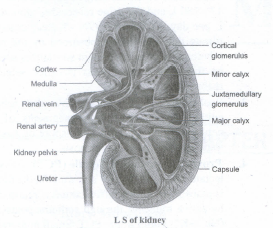
(b) Medulla
(i) An inner medulla is divisible into few conical tissue masses called renal pyramids or medullary pyramids.
(ii) Hilum is the passage of blood vessels, pelvis of ureter and nerves.
(iii) Inner to the hilum is a broad funnel shaped space called renal pelvis found with projections called calyces.
(iv) Pelvis is continuous with the ureter.
(v) The walls of the calyces, pelvis and ureter have smooth muscles which contract rhythmically.
(vi) The calyces collect the urine and empties into the ureter.
(vii) Bladder stores urine temporarily.
(viii) Bladder opens into urethra.
(ix) Urethra opens exterior to release out urine.
6.
(a) Urine
(b) Glomerular filtrate
(c) Urinary bladder
(d) afferent and efferent arterioles and venules of renel artery and renel vein.
(e) Excretion
(f) Bowman's capsule
(g) Ureters
(h) Micturition
(i) Balance of electrolytes minerals and organics
(j) excretory system
(k) micturition
(l) glucose, amino acid and liquids
7.
(i) Eggs or young ones produced by an oviparous (egg laying)and viviparous (directly yield young ones) female animals may not be equal.
(ii) Numerous eggs are laid by oviparous, so the number of produced offsprings is indefinite.
(iii) Eggs laid by oviparous, female may not develop into adults due to predators.
(iv) Oviparous female includes polyembryony.
(v) Viviparous produced by females need protection from predators associated with parental cares.
(vi) Development of young ones of oviparous female occurs in environment whereas the development of young ones of viviparous female occurs in the female reproductive system of adults.
8.
a. Sea anemone
b. Radial symmetry
c. Not cephalized
d. Two
e. A single
f. Yes
9.
(i) Yes we can use recent molecular tools to identify and classify organisms.
(ii) Eg: Automated species identification tools electron microscopy (for cellular organelles and molecular structures by neo taxonomical tools) behaviour of organisms by ethology of taxonomical tools and development of electronic digital images and description by INOTAXA or e- Taxonomic resources.
10.
Ribonucleic acid (RNA): Ribonucleic acid (RNA) is a polymeric molecule essential in various biological roles in coding, decoding, regulation and expression of genes. RNA is single stranded and is unstable when compared to DNA.
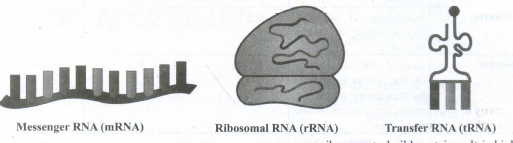
Types of RNA:
1. mRNA (messenger RNA) - Single stranded, carries a copy of instructions for assembling amino acids into proteins. It is very unstable and comprises 5% of total RNA polymer. Prokaryotic mRNA (Polycistronic) carry coding sequences for many polypeptides. Eukaryotic mRNA (Monocistronic) contains information for only one polypeptide.
2. tRNA (transfer RNA) - Translates the code from mRNA and transfers amino acids to the ribosome to build proteins. It is highly folded into an elaborate 3D structure and comprises about 15% of total RNA. It is also called as soluble RNA.
3. rRNA (ribosomal RNA) - Single stranded, metabolically stable, make up the two subunits of ribosomes. It constitutes 80% of the total RNA. It is a polymer with varied length from 120 - 3000 nucleotides and gives ribosomes their shape. Genes for rRNA are highly conserved and employed for phylogenetic studies.
11.
(i) It is a method to identify genetic markers using a randomly synthesized primer that will anneal (recombine (DNA) in the double stranded form) to complementary regions located in various locations of isolated DNA. If another complementary site is present on the opposing DNA strand at a distance that is not too great then the reaction will amplify this region of DNA.
(ii) RAPDs (Random Amplified Polymorphic DNA) like microsatellites may often be used for genetic studies within species but may also be successfully employed in phylogenetic studies to address relationships within a species or between closely related species.
12.
The methodology for the preparation of blood smear is as follows.
1. Place a drop of blood on a clean glass slide about 1cm from one end
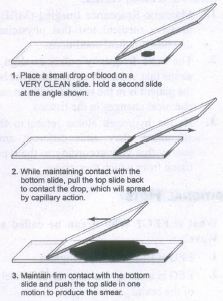
2.Using another glass slide placed at an angle of about 45° to the previous slide.
3.Spread the drop of blood quickly in one stroke as a thin film.
4. Stain the film using Leishman's stain.
5. Allow the slide to dry and wash the excess stain.
6. Observe the slide under a light microscope.
13.
1. CT gives a clear image of bone, soft tissues and blood vessels.
2. Helps in the diagnosis of injuries of the inner ears and sinuses.
3. To detect cancer, heart and lung disorders.
4. For diagnosis of spinal problems and skeletal injuries.
5. Helps to measure bone mineral density.
6. To detect stroke causing clots and hemorrhage in the brain
14.
Cortex of adrenal gland secretes Glucocorticoids and Mineralocorticoids: Function of adrenal hormones:
1. Glucocorticoids stimulate gluconeogensis, lipolysis and proteolysis (the life saving activity).
2. Cortisol is a glucocorticoid involved in maintaining cardio vascular and kidney functions. It produces anti-inflammatory reactions and suppresses the immune response. It stimulates the RBC production. It is also known as stress combat hormone.
3. Mineralocorticoids regulates water and electrolyte balance of our body. Aldosterone stimulates the reabsorption of sodium and water and eliminates potassium and phosphate ions through excretion, thus it helps in maintaining electrolytes, osmotic pressure and blood pressure. Adrenal androgen plays a role in hair growth in the axial region, pubis and face during puberty.
4. The adrenal medulla secretes the hormones adrenalin and noradrenalin and are referred as "3F hormone" (fight, flight and fright hormone),
5. Adrenalin increases iiver glycogen breakdown into glucose and increases the release of fatty acids from fat cells.
6. During emergency it increases heart beat rate and blood pressure. It stimulates the smooth muscles of cutaneous and visceral arteries to decrease blood flow.
7. It increases blood flow to the skeletal muscles thereby increases the metabolic rate of skeletal muscles, cardiac muscles and nervous tissue.
15.
1. Addison's disease iscausedduetohyposecretion of glucocorticoids and mineralocorticoids from the adrenal cortex.
2. Muscular weakness, low BP., loss of appetite, vomiting, hyper pigmentation of skin, low metabolic rate, subnormal temperature, reduced blood volume, weight loss are the symptoms that occur in Addison's disease.
3. Reduced aldosterone secretion increases urinary excretion of Na Cl. and water and decreases potassium excretion leading to dehydration.
4. Cushing's syndrome is caused due to excess hyper secretion of cortisol.
5. Obesity of the face and trunk, redness of face, hand, feet, thin skin, excessive hair growth, loss of minerals from bone (osteoporosis) systolic hypertension are features of Cushing's syndrome.
6. Suppression of sexual function like atrophy of gonads are the other symptoms of Cushing's syndrome
16.
17.
| S.No | Shark fish | Cat fish |
| 1. | It is a cat laginous fish and belongs to the class chondrichthyes | It is a bony fish and belongs to the class osteichthyes. |
| 2. | The skeleton is made of cartilage | The skeleton is made of calcified bones. |
| 3. | Upper Jaw of shark is not attached to the skill and moves independently. | Some bony fishes also have a second set of jaws (Pharyngeal Jaws) |
| 4. | The gill slits of shark are visible and not protected | The gills are covered by a bony plate. |
| 5. | Presence of third eyelid to protect the eye. | The eye has no protective coverings. |
18.
1) Many plants use a group of chemicals called sinapate esters to defend against the sun. These aromatic compounds are found in the upper cell layers of the plant tissues and sinapoyl Malate provides bulk of the UV protection.
2) Thus when the green leaves of the plants are absorbing visible part of the spectrum for photosynthesis, the chemicals help to absorb the incident, UV radiation thus preventing the UV from affecting other living organisms. Thus photosynthesis protects us from harmful radiation of the sun.
19.
Photosynthesis is an Oxidation and Reduction process. Water is oxidised to release O2 and CO2 is reduced to form sugars. The first phase requires light and is called light reaction or Hill's reaction.
1) Light reaction: It is a photochemical reaction whereas Dark reaction is a thermochemical reaction. Solar energy is trapped by chlorophyll and stored in the form of chemical energy (assimilatory power)is ATP and reducing power NADPH + H+. NADPH + H+ alone is known as Reducing Power. This reaction takes place in thylakoid membrane ofthe chloroplast. Oxygen is evolved as a result of splitting of water molecules by light
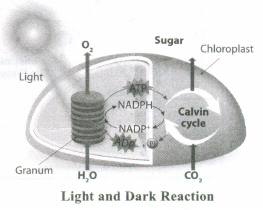
Light reaction is discussed in two phases:
| i. | Photo-oxidation Phase: | 1. Absorption of light energy 2. Transfer of energy from accessory pigments to reaction centre 3. Activation of Chlorophyll- a molecule |
| ii. | Photo Chemical Phase: | 1.Photolysis of water and oxygen evolution 2. Electron transport and synthesis of assimilatory power. |
2) Dark reaction (Biosynthetic phase): Fixation and reduction of CO2 into carbohydrates with the help of assimilatory power produced during light reaction. This reaction does not require light and is not directly light driven. Hence, it is called as Dark reaction or Calvin-Benson cycle.
20.
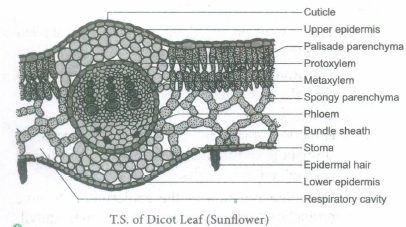
21.
Root Apical Meristem:
Root apex is present opposite to the hoot apex. The roots contain root cap at their apices and the apical meristem is present below the root cap. The different theories proposed to explain root apical meristem organization is given below.
1. Apical Cell Theory:
(i) Apical cell theory is proposed by Nageli. The single apical cell or apical initial composes the root meristem.
(ii) The apical initial is tetrahedral in shape and produces a root cap from one side.
(iii) The remaining three sides produce epidermis, cortex, and vascular tissues. It is found in vascular cryptogams.
2. Histogen Theory :
(i) Histogen theory is proposed by Hanstein (1868) and supported by Strassburger.
(ii) The histogen theory as applied to the root apical meristem speaks of four histogen in the meristem. They are:
a. Dermatogen - It is the outermost layer. It gives rise to the root epidermis.
b. Periblem - It is a middle layer. It gives rise to the cortex.
c. Plerome - It is the innermost layer. It gives rise to stele
d. Calyptrogen - It gives rise to root cap.
22.
Ageing of plant organs is retarded by cytokinins. They help in protein synthesis and mobilises nutrient resources.
23.
Almost all plant tissues produce ethylene gas In minute quantities.
Discovery:
(i) In 1924, Denny found that ethylene stimulates the ripening of lemons.
(ii) Cocken et al identified ethylene as a natural plant hormone.
Occurrence: Maximum synthesis occurs during climacteric ripening of fruits and tissues undergoing senescence.
Precursor: It is a derivative of amino acid methionine, linolenic acid and fumaric acid.
Physiological Effects:
i) Ethylene stimulates respiration and ripening in fruits.
ii) It stimulates radial growth in stem and root and inhibits linear growth.
iii) It breaks the dormancy of buds, seeds and : storage organs.
iv) It stimulates formation of abscission zone : in leaves, flowers and fruits. This makes the leaves to shed prematurely.
v) Inhibition of stem elongation (shortening the: internode).
vi) In low concentration, ethylene helps in root : initiation.
vii) Growth of lateral roots and root hairs. This I increases the absorption surface of the plant : roots.
viii) The growth of fruits is stimulated by ethylene in some plants. It is more marked in climacteric : fruits.
ix) Ethylene causes epinasty.
Agricultural role:
i) Ethylene normally reduces flowering in plants except in Pine apple and Mango.
ii) It increases the number of female flowers and decreases the number of male flowers.
iii) Ethylene spray in cucumber crop produces female flowers and increases the yield.
24.
Organisms deriving their nutrient from another organism (host) and causing disease to the host are called parasites.
a. ubtigate or Total parasite - Completely depends on host for their survival and produces haustoria.
i. Total stern parasite: The leafless stem twine around the host and produce haustoria.
Ex: Cuscuta (Dodder), a rootless plant growing on Zizyphus, Citrus and so on.
ii. Total root parasite: They do not have stem axis and grow in the roots of host plants produce haustoria.
Ex: Rafflesia, Orobanche and Balanophora.
b. Partial parasite - Plants of this group contain chlorophyll and synthesize carbohydrates. Water and mineral requirements are dependent on host plant.
1. Partial Stem Parasite: Ex: Loranthus and Viscum (Mistletoe)
Loranthus rows on fig and mango trees and absorb water and minerals from xylem.
ii. Partial root parasite: Ex: Santalum album (Sandal wood tree) in its juvenile stage produces haustoria which grows on roots of many plants.
25.
Functions, mode of absorption and deficiency symptoms of micronutrients
Essential minerals which are required in low concentrations are called Micro nutrients.
Micronutrients even though required in trace amounts are essential for the metabolism of plants. They play key roles in many plants.
1. Iron (Fe): Iron is required lesser than macronutrient level and larger than micronutrients level, hence, it can be placed in anyone of the groups. Synthesis of Chlorophyll and carotenoids, component of Cytochrome, Ferredoxin, Flavoprotein, formation of Chlorophyll, porphyrin, activation of Catalase, Peroxidase enzymes.Absorbed as ferrous (Fe2+) and ferric (Fe3+) ions. Mostly fruit trees are sensitive to Iron.
Deficiency: InterveinalChlorosis, short and slender stalk and inhibition of chlorophyll formation.
2. Manganese (Mn): Activator of Carboxylases, Oxidases, Dehydrogenases and Kinases, involved in splitting of water to liberate oxygen (Photolysis). Absorbed as Manganous Mn2+ ions.
Deficiency: Interveinalchlorosis, grey spot on Oats leaves and poor root system.
3. Copper (Cu): Constituent of Plastocyanin, component of Phenolases, Tyrosinase, enzymes involved in redox reactions, synthesis of ascorbic acid, maintains Carbohydrate and Nitrogen balance, part of oxidase and cytochrome oxidase. Absorbed as Cupric (Cu2+) ions.
Deficiency: Die back of Citrus, Reclamation disease of cereals and legumes, Chlorosis, Necrosis and Exanthema in Citrus.
4. Zinc (Zn): Essential for the synthesis of Indole Acetic Acid (Auxin) Activator of carboxylases, alcohol dehydrogenase, lactic dehydrogenase, glutamic acid dehydrogenase, carboxy peptidases and tryptophan synthetase. Absorbed as Zn2+ ions.
Deficiency: Little leaf and mottle leaf due to deficiency of auxin, Interveinalchlorosis, stunted growth, Necrosis and Khaira disease of rice.
5. Boron (B): Translocation of Carbohydrates, uptake of and utilisation of Ca++, pollen germination, nitrogen metabolism, fat metabolism, cell elongation and differentiation. absorbed as Borate BO3- ions.
Deficiency: Death of root and shoot tips, premature fall of flowers and fruits, Brown heart of Beet root, internal cork of apple and fruit cracks.
Molybdenum (Mo): Component of nitrogenase, nitrate reductase, involved in Nitrogen metabolism, and Nitrogen fixation. Absorbed as Molybdate (Mo2+) ions.
Deficiency: Chlorosis, Necrosis, delayed flowering, retarded growth and Whip tail disease of cauliflower.
Chlorine (CI): It is involved in Anion - Cation balance, Cell division, Photolysis of water. Absorbed as Cl- ions.
Deficiency: Wilting of leaf tips
8. Nickel (Ni): Cofactor for enzyme Urease and Hydrogenase.
Deficiency: Necrosis of leaf tips.
26.
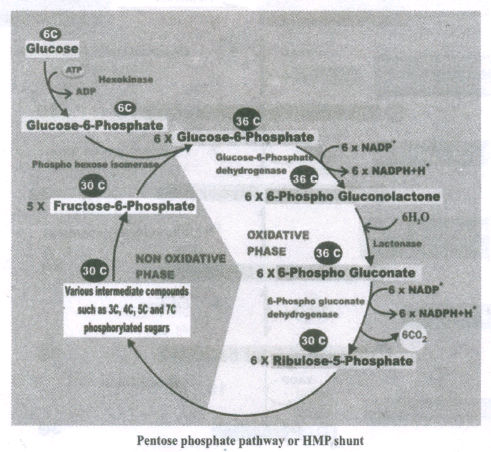
27.
| S.No. | Aerobic respiration | Anacrobic Respiration |
| 1 | It occurs in all living cells of higher organisms. | It occurs yeast and some bacteria. |
| 2 | It requires oxygen for breaking the respiratory substrate. | Oxygen is not required for breaking the respiratory substrate. |
| 3 | The end products are CO2 and H2O | The end products are alcohol, and CO2 (or) lactic acid . |
| 4 | Oxidation of one molecule of glucose produces 36 ATP molecules. | Only 2ATP molecules are produced. |
| 5 | It consists of four stages-glycolysis, link reaction, TCA cycle and electron transport chain | It consists of two stages-glycolysis and fermentation. |
| 6 | It occurs in cytoplasm and mitochondria. | It occurs only in cytoplasm. |
28.
Lundegardh's Cytochrome Pump Theory:
Lundegardh and Burstrom (1933) observed a correlation between respiration and anion absorption. When a plant is transferred from water to a salt solution the rate of respiration increases which is called as anion respiration or salt respiration. Based on this observation Lundegardh (1950,1954) proposed cytochrome pump theory which is based on the following assumptions:
1. The mechanism of anion and cation absorption is different.
2. Anions are absorbed through cytochrome chain by an active process. Cations are absorbed passively.
3. An oxygen gradient responsible for oxidation at the outer surface of the membrane and reduction at the inner surface.
According to this theory, the enzyme dehydrogenase on the inner surface is responsible for the formation of protons (H+) and electrons (e-). As the electrons pass outward through the electron transport chain there is a corresponding inward passage of anions. The anions are picked up by oxidized cytochrome oxidase and are transferred to the other members of the chain as they transfer the electron to the next component.
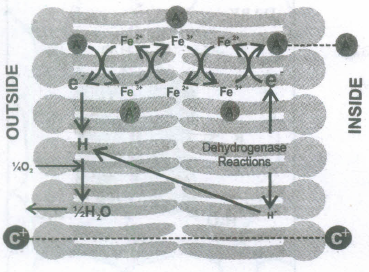
The theory assumes that the cations (C+) move passively along the electrical gradient created by the accumulation of the anions (A-) at the inner surface of the membrane.
Main defects of the above theory are:
1. Cations also induce respiration.
2. This theory fails to explain the selective uptake of ions.
3. It explains absorption of anions only.
29.
(a) Osmosis:
(i) Osmosis (Latin:Osmos = impulse, urge) is a special type of diffusion
(ii) It represents the movement of water or solvent molecules through a selectively permeable membrane from the place of its higher concentration (high water potential to the place of its lower concentration (low water potential).
(b) Types of osmosis :
(i) Based on the direction of movement of water or solvent in an osmotic system, two types of osmosis can occur, they are Endosmosis and Exosmosis.
(ii) Endosmosis: Endosmosis is defined as the osmotic entry of solvent into a cell or a system when it is placed in a pure water or hypotonic solution. For example dry raisins (high solute and low solvent) placed in the water, it swells up due to turgidity.
(iii) Exosmosis:Exosmosis is defined as the osmotic withdrawal of water from a cell or system when it is placed in a hypertonic solution. Exosmosis in a plant cell leads to plasmolysis.
(c) Thistle funnel experiment:
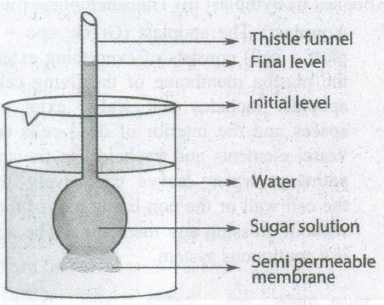
(i) Mouth of a thistle funnel is tied with goat bladder. It acts as a semipermeable membrane.
(ii) Pour concentrated sugar solution in the thistle funnel and mark the level of solution.
(iii) Place this in a beaker of water. After some time, water level in the funnel rises up steadily.
(iv) This is due to the inward diffusion of water molecules through the semipermeable membrane.
30.
| SapWood (Alburnum) | Heart wood (Duramen) | |
| 1. | Living part of the wood. | Dead part of the wood. |
| 2. | It is situated on the outer side of wood | It is situated in the centre part of wood |
| 3. | It is less dark in colour | It is dark in colour |
| 4. | Very soft in nature | Hard in nature |
| 5. | Tyloses are absent | Tyloses are present |
| 6. | It is not durable and not resistant to microorganisms | It is more durable and resists microorganisms |
31.
Positron Emission Tomographic Scanning (PET):
1. PET is also computerized imaging technique unlike CT.
2. Positron emission tomography (PET) is a nuclear medicine procedure based on the measurement of positron emission from radiolabelled tracer molecules.
32.
1. .Ultrasound waves are used to image the foetus at different stages of pregnancy to study the progress of the developing foetus.
2. They are used to hear foetal heart sound, blood flow, etc.
3. Used in echo cardiography to diagnose the damages in heart.
4. Used for diagnosis of tumours gall stones, kidney stones, obstructions in the genital tracts
33.
Blood transports CO2 from the tissue cells to the lungs in three ways:
(i) Dissolved in plasma: About 7 - 10% of CO2 is transported in a dissolved form in the plasma.
(ii) Bound to haemoglobin: About 20 - 25% of dissolved CO2 is bound and carried in the RBCs as carbaminohaemoglobin (Hb CO2) CO2 + Hb\(\longrightarrow \) Hb CO2
(iii) As bicarbonate ions in plasma about 70% of CO2 is transported as bicarbonate ions. This is influenced by pC02 and the degree of haemoglobin oxygenation. RBCs contain a high concentration of the enzyme, carbonic anhydrase, whereas small amounts of carbonic anhydrase is present in the plasma.
\(\longrightarrow \) At the tissues the pC02 is high due to catabolism and diffuses into the blood to form HC03 - and H+ ions. When CO2 diffuses into the RBCs, it combines with water forming carbonic acid (HF03) catalyzed by carbonic anhydrase. Carbonic acid is unstable and dissociates into hydrogen and bicarbonate ions.
Carbonic anhydrase facilitates the reaction in both directions.

The HC03 - moves quickly from the RBCs into the plasma, where it is carried to the lungs. At the alveolar site where pC02 is low, the reaction is reversed leading to the formation of CO2 and water. Thus CO2 trapped as HC03 - at the tissue level is transported to the alveoli and released out as CO2. Every 100mL of deoxygenated blood delivers 4mL of CO2 to the alveoli for elimination.
34.
(i) Definition: The amount of blood pumped out by each ventricle per minute is called cardiac output (CO).
(ii) Heart rate (HR) and stroke volume (SV) are the products of CO.
(iii) HR or pulse is the number of beats per minute.
(iv) So pulse pressure = Systolic pressure - Diastolic pressure.
(v) SV is the volume of blood pumped out by one ventricle with each beat.
(vi) SV depends on ventricular systole/contraction.
(vii) CO = HR x SV
(viii) SV represents the difference between EDV (amount of blood that collects in a ventricle during diastole).
(ix) SV = EDV - ESV.
(x) Frank-Starling law of the heart, the critical factor controlling SV is the degree to which the cardiac myocytes are stretched just before they contract.
(xi) The most important factor stretching cardiac muscle is the amount of blood returning to the heart and distending its ventricles venous return.
(xii) SV performs the doubling of circulation during venous return during physical exercise.
(xiii) A balance between cardiac output and venous return is maintained by the pumping action of heart.
(xiv) As the heart serves as a double pump, each side can fail independently of the other.
(xv) If the left side of the heart fails. It results in pulmonary congestion and similarly the right side of the heart fails it results in the peripheral congestion.
(xvi) Frank-Starling effect protects the heart from abnormal increase in blood volume.
35.
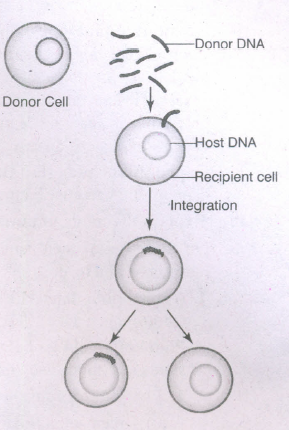
Transfer of DNA from one bacterium to another is called transformation. In 1928, the bacteriologist Frederick Griffith demonstrated transformation in mice using Diplococcus pneumoniae. Two strains of this bacterium are present. One strain produces smooth colonies and are virulent in nature (S type), in addition another strain produced rough colonies and are avirulent (R type). When S-type of cells were injected into the mouse, the mouse died. When R-type of cells were injected, the mouse survived. He injected heat killed S-type cells into the mouse the mouse did not die. When the mixture of heat killed S-type cells and R-type cells were injected into the mouse. The mouse died. The avirulent rough strain of Diplococcus had been transformed into S-type cells. The hereditary material of heat killed S-type cells had transformed R-type cell into virulent smooth strains. Thus the phenomenon of changing the character of one strain by transferring the DNA of another strain into the former is called transformation.
36.
The body of a frog is streamlined to help in swimming. It is dorso-ventrally flattened and is divisible into head and trunk. Body is covered by a smooth, slimy skin loosely attached to the body wall. The skin is dark green on the dorsal side and pale ventrally. The head is almost triangular in shape and has an apex which forms the snout. The mouth is at the anterior end and can open widely. External nostrils are present on the dorsal surface of the snout, one on each side of the median line. Eyes are large and project above the general surface of the body. They lie behind the external nostrils and are protected by a thin movable lower eyelid, thick immovable upper eyelid and a third transparent eyelid called nictitating membrane. This membrane protects the eye when the frog is under water. A pair of tympanic membranes forms the ear drum behind the eyes on either side. Frogs have no external ears, neck and tail are absent. Trunk bears a pair of fore limbs and a pair of hind limbs. At the posterior end of the dorsal side, between the hind limbs is the cloacal aperature. This is the common opening for the digestive, excretory and reproductive systems. Fore limbs are short, stumpy, and helps to bear the weight of the body. They are also helpful for the landing of the frog after leaping. Each forelimb consists of an upper ann, fore arm and a hand. Hand bears four digits. Hind limbs are large, long and consist of thigh, shank. and foot. Foot bears five long webbed toes and one small spot called the sixth toe. These are adaptations for leaping and swimming. When the animal is at rest, the hind limbs are kept folded in the form of letter 'Z'. Sexual dimorphism is exhibited clearly during the breeding season. The male frog has a pair of vocal sacs and a copulatory or nuptial pad on the ventral side of the first digit of each forelimb. Vocal sacs assist in amplifying the croaking sound of frog. Vocal sacs and nuptial pads are absent in the female frogs.
37.
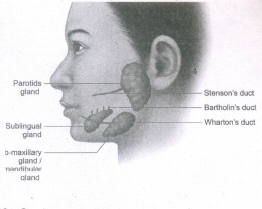
There are three pairs of salivary glands in the mouth. They are the largest parotids gland in the cheeks, the submaxillary sub-mandibular in the lower jaw and the sublingual beneath the tongue. These glands have ducts such as Stenson's duct, Wharton's duct and Bartholin's duct or duct of Rivinis gland respectively (Figure). The salivary juice secreted by the salivary glands reaches the mouth through these ducts. The daily secretion of saliva from salivary glands ranges from 1000 to 1500 mL.
38.
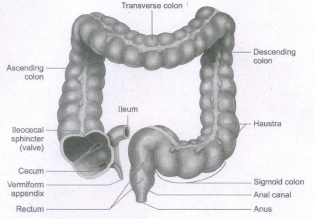
The large intestine consists of caecum, colon and rectum. The caecum is a small blind pouch like structure that opens into the colon and it possesses a narrow finger like tubular projection called vermiform appendix. Both caecum and vermiform appendix are large in herbivorous animal and act as an important site for cellulose digestion with the help of symbiotic bacteria. The colon is divided into four regions - an ascending, a transverse, a descending part and a sigmoid colon. The colon is lined by dilations called haustra (singular - haustrum) (Figure). The "S" shaped sigmoid colon (pelvic colon) opens into the rectum. Rectum is concerned with temporary storage of faeces. The rectum opens out through the anus. The anus is guarded by two anal sphincter muscles. The anal mucosa is folded into several vertical folds and contains arteries and veins called anal columns. Anal column may get enlarged and causes piles or haemorrhoids.
39.
All chordates possess three fundamental distinct features at some stage of their life cycle, they are:
1.Presence of elongated rod like notochord below the nerve cord and above the alimentary canal. It serves as primate internal skeleton. it may persist throughout life in lancelets and lampreys. In adult vertebrates, it may be partially or completely replaced by backbone or vertebral column.
2. A dorsal hollow or tubular fluid filled nerve cord lies above the notochord and below the dorsal body wall. It serves to integrate and co-ordinate the body functions. In higher chordates, the anterior end of the nerve cord gets enlarged to form the brain and the posterior part becomes the spinal cord, protected inside the vertebral column.
3. Presence of pharyngeal gill slits or clefts in all chordates at some stage of their lifecycle. It is a series of gill slits or clefts that perforates the walls of pharynx and appears during the development of every chordate. In aquatic forms, pharyngeal gill slits are vascular, lamellar and form the gills for respiration. In terrestrial chordates, traces of non- functional gill clefts appear during embryonic developmental stages and disappear later. Besides the above said features, chordates are bilaterally symmetrical.
40.
Cytokinesis in Plant Cell: Division of the cytoplasm often starts during telophase. In plants, cytokinesis cell plate grows from centre towards lateral walls - centrifugal manner of cell plate formation. Phragmoplast contains microtubules, actin filaments and vesicles from golgi apparatus and ER. The golgi vesicles contains carbohydrates such as pectin, hemjcellulose which move along the microtubule of the pharagmoplast to the equator fuse, forming a new plasma membrane and the materials which are placed their becomes new cell wall. The first stage of cell wall construction is a line dividing the newly forming cells called a cell plate. The cell plate eventually stretches right across the cell forming the middle lamella. Cellulose builds up on each side of the middle lamella to form the cell walls of two new plant cells.
Cytokinesis in Animal Cells: It is a contractile process. The contractile mechanism contained in contractile ring located inside the plasma membrane. The ring consists of a bundle of microfilaments assembled from actin and myosin. This fibril helps for the generation of a contractile force. This force draws the contractile ring inward forming a cleavage furrow in the cell surface dividing the cell into two.
41.
Buds are the growing points surrounded by protective scale leaves.
1. Terminal bud or Apical bud: These buds are present at the apex of the main stem and at the tips of the branches.
2. Lateral bud or Axillary bud: These buds occur in the axil of the leaves and develop into a branch or flower.
3. Extra axillary bud: These buds are formed at nodes but outside the axil of the leaf as in Solanum americanum.
4. Accessory bud: An extra bud on either side (collateral bud) or above (superposed bud or serial bud) the axillary bud. e.g., Citrus and Duranta.
42.
1. Bryophytes are non-vascular cryptogams due to absence of xylem & phloem.
2. The plant body is a gametophyte and it is conspicuous, longlived.
3. Plant body is undifferentiated into root", stem & leaves. Thalloid forms with rhizoids are seen in liverworts & hornworts. Leaf-like and stem-like structures are seen in mosses.
4. Vegetative reproduction is by adventitious buds, tubers, brood bodies or by gemmae.
5. Sexual reproduction is oogamous producing Antheridia & Archegonia in multicellular protective coverings.
6. Antheridia produces biflagellate antherozoids which swims in water & fuse with egg forming diploid zygote.
7. Water is essential for fertiliation.
8. Zygote is the first cell of sporophyte. Zygote undergoes mitotics forming undifferentiated embryo, forming sporophyte. The embryogeny is exoscopic.
9. Sporophyte is dependent on gametphyte.
10. Sporophyte is differentiated into foot, seta & capsule.
11. Capsule of Sporophyte produces haploid spores by meiosis.
12. Bryophtyes are homosporous which are dispersed by elaters.
13. Spores germinate producing haploid gametophyte.
14. Heterologous alternation of generation.
15. Proskauerclassified bryophytes into 3 classes, Hepaticopsida(Riccia ), Anthocerotopsida (Anthoceros) and Bryopsida (Funaria).
43.
Distribution:
Fabaceae includes about 741 genera and more than 20,200 species. The members are cosmopolitan in distribution but abundant in tropical and subtropical regions.
Habit:
All types of habits are represented in this family. Mostly herbs (Indigofera, Crota/aria), prostrate (Indigofera enneaphylla) erect (Crota/aria verrucosa), shrubs (Cajanuscajan), small trees (Sesbania), climbers (Clitoria), large tree (Pongamia, Dalbergia, Erythrina, Butea), woody climber (Mucuna), hydrophyte (Aeschynomene aspera) commonly called pith plant.
Root:
Tap root system, roots are nodulated, have tubercles containing nitrogen - fixing bacteria (Rhizobium leguminosarum)
Stem:
Aerial, herbaceous-woody (Dalbergia) twining or climbing Clitoria.
Leaf:
Leaf simple or unifoliate (Crota/aria juncea) bifoliate (Zornia diphylla,), Trifoliate (Lab/ab purpureus), unipinnate or simple pinnate (Clitoria), alternate, stipulate, leaf base, pulvinate, stipulus 2, free. Leaves ,showing. reticulate venation terminal leaflet modifies into a tendril in Pisumsativum.
Inflorescence:
Raceme (Crota/aria verrucosa), panicle (Dalbergia latifoIia) axillary solitary (Clitoria ternatea)
Flowers:
Bracteate, bracteolate (Sesbania), sessile, complete, bisexual, pentamerous, heterochlamydeous, zygomorphic hypogynous or sometimes perigynous.
Calyx:
Sepals 5, green,' synsepalous, more or less united in a tube and persistant, valvate or imbricate, odd sepal is anterior in position .
Corolla:
Petals 5, apopetalous, unequal and papilionaceous vexillary or descendingly imbricate aestivation all petals have claw at the base. The outer most petal is large called standard petal or vexillum, Lateral 2 petals are lanceolate and curved. They are called wing petals or ala. Anterior two petals are partly fused and are called keel petals or canna which encloses the stamens and pistil.
Androecium:
Stamens 10, diadelphous, usually 9+ 1 (Clitoria ternatea).The odd stamen is posterior in position. In Aeschynomene aspers, the stamens are fused to form two bundles each containing five stamens (5)+5. Stamens are monadelphous and dimorphiC ie. 5 stamens have longer filaments and other 5 stamens have shorter filaments thus the stamens are found at two levels and the shape of anthers also varies in (Crotalaria verrucosa). (5 anthers are long and lanceolate, and the other 5 anthers are short and blunt). Anthers are dithecous, basifixed and dehiscing longitudinally.
Gynoecium:
Monocarpellary, unilocular, ovary superior, with two alternating rows of ovules on marginal placentation. Style simple and bent, stigma flattened or feathery.
Fruit:
The characteristic fruit of Fabaceae is a legume (Pisumsativum), sometimes indehiscent and rarely a lomentum (Desmodium). In Arachis hypogea the fruit is geocarpic (fruits develops from underground). After fertilization the. stipe of the ovary becomes meristematic and grows down into the soil. This ovary gets buried into the soil and develops into fruit.
Seed:
Endospermic or non-endospermic (Pisum sativum), mostly reniformed.
44.
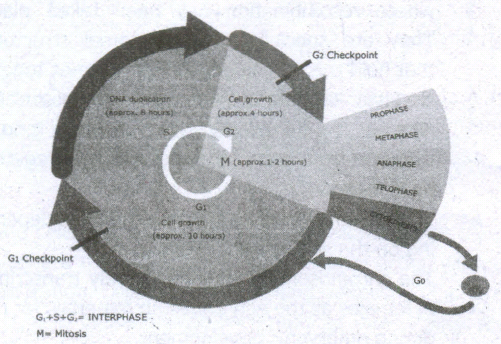
The first gap phase - 2C amount of DNA in cells of G1. The cells become metabolically active and grows by producing proteins, lipids, carbohydrates and cell organelles including mitochondria and endoplasmic reticulum. Many checkpoints control the cell cycle. The checkpoint called the restriction point at the end of G1, determines a cells fate whether it will continue in the cell cycle and divide or enter a stage called Go as a quiescent stage and probably as specified cell or die. Cells are arrested in G1 due to:
(i) Nutrient deprivation
(ii) Lack of qrowth factors or density dependant inhibition.
(iii) Undergo metabolic changes and enter into Go state.
Biochemicals inside cells activates the cell division. The proteins called kinases and cydlns activate genes and their proteins to perform cell division. Cyclins act as major checkpoint which operates in Gl to determine whether or not a cell divides.
45.
| Edible Parts of fruit | |||
| Type of Fruit | Common Name | Botanical Name | Edible Part |
| Berry | Tomato | Lycopersicon esculentum |
Whole fruit |
| Brinjal | Solanum melongena |
Tender fruit | |
| Guava | Psidium guajava | Whole fruit | |
| date | Phoenix dactylifera | Pericarp | |
| Drupe | Mango | Mangifera indica | mesocarp |
| coconut | Cocos nucifera | Endosperm(both cellular and liquid) | |
| Pepo | Cucumber | Cucumis sativus | Whole fruit |
| Hesperidium | Citrus(Orange, Lemon) | citrus sinensis | Juicy hairs on the endocarp |
| Pome | Apple | Pyrus malus | Thalamus(false fruit) and a part of pericarp. |
| Balausta | Pomegranate | Punica granatum | Succulent testa of the seeds |
| Legume | Pea | Pisum sativum | seed |
| siliqua | Mustard | Brassica compestrisvar | seed |
| poricidal capsule | Poppy | Papaver somniferum | seeds |
| Loculicidal | Lady's finger | Abelmoschus | Tender fruit |
| Cypsela | sunflower | Helianthus annuus | seed(for oil) |
| caryopsis | Maize | Zea maize | Seed |
| Paddy | Oryza sativa | Seed | |
| Nut | Cashew nut | Anacardium occidentale |
Pedical (False fruit) and cotyledons (true fruit) |
| Cremocarp | Coriander | Coriander sativum | Mericarps |
| Lomentum | Groundnut | Arachis hypogea | Seed |
| Aggregate fruit | Custard apple | Annona squamosa | Pericarps |
| Composite fruits | |||
| Sorosis | Jackfruit | Artocarpus heterophyllus |
Perianth, seeds |
| Pineapple | Ananas comosus | Perianth, rachis | |
| Mulberry | Morus alba | Whole fruit | |
| Syconus | Fig | Ficus carica | Whole inflorescence |
46.
Refers to the stamens fusing among themselves or with other parts of flower. Two types.
Connation
Adnation
Connation:
Refers to the fusion of stamens among themselves. It is of 3 types.
a. Adelphy.
b. Syngenecious.
c. Synandrous.
Adelphy:
Filaments connate into one or more bundles but anthers are free. It may be the following types.
1. Monadelphous: Filaments of stamens connate into a single bundle. Example: Malvaceae (chinarose, cotton).
2. Diadelphous: Filaments of stamens connate: into two bundles. Example: Fabaceae, pea.
3. Polyadelphous: Filaments connate into many bundles. Example: Citrus, Bombax
Syngenesious: Anthers connate, filaments free. Example: Asteraceae.
Synandrous: Filaments and anthers are completely fused. Example: Coccinea.
Adnation: Refers to the fusion of stamens with other floral parts. Epipetalous (petalostemonous): Stamens are adnate to petals. Example: brinjal, Datura.
Episepalous: stamens are adnate to sepals. Example: Grevillea (Silver oak)
Epitepalous (epiphyllous): stamens are adnate .to tepa Is. Example: Aphodelus, Asparagus
Gynostegium:
Connation product of stamens and stigma is called gynostegium. Example: Calotropis and Orchidaceae.
Pollinium: Pollen grains are fusedtogether as a single mass.
47.
The protoplasm exist either in semisolid (jelly-like) state called 'gel' due to suspended particles and various chemical bonds or may be liquid state called 'sol'. The colloidal protoplasm which is in gel form can change into sol form by solation and the sol can change into gel by gelation. These gel-sol conditions of colloidal system are prime basis for mechanical behaviour of cytoplasm.
1. Protoplasm is translucent, odourless and polyphasic fluid.
2. It is a crystal colloid solution which is a mixture of chemical substances forming crystalloid i.e. true solution (sugars, salts, acids, bases) and others forming colloidal solution (Proteins and lipids)
3. It is the most important property of the protoplasm by which it exhibits three main phenornena namely Brownian movement, amoeboid movement and cytoplasmic streaming or cyclosis. Viscosity of protoplasm is 2-20 centipoises. The Refractive index of the protoplasm is 1.4.
4. The pH of the protoplasm is around 6.8, contain 90% water (10% in dormant seeds)
5. Approximately 34 elements are present in protoplasm but only 13 elements are main or universal elements i.e. C, H, 0, N, CI, Ca, P,Na, K, 5, Mg, I and Fe. Carbon, Hydrogen, Oxygen and Nitrogen form the 96% of protoplasm. 6. Protoplasm is neither a good nor a bad conductor of electricity. It forms a delimiting membrane on coming in contact with water and solidifies when heated.
7. Cohesiveness: Particles or molecules of protoplasm are adhered with each other by forces, such as Van der Waal's bonds, that hold long chains of molecules together. This property varies with the strength of these forces.
8. Contractility: The contractility of protoplasm is important for the absorption and removal of water especially stomatal operations.
9. Surface tension: The proteins and lipids of the protoplasm have less surface tension, hence they are found at the surface forming the membrane. On the other hand the chemical substances (NaCI) have high surface tension, so they occur in deeper parts of the cell protoplasm
48.
As we know DNA and RNA are the two kinds of nucleic acids. These were originally isolated from cell nucleus. They are present in all known cells and viruses with special coded genetic programme with detailed and specific instructions for each organism heredity.
DNA and RNA are polymers of monomers called nucleotides, each of which is composed of a nitrogen base, a pentose sugar and a phosphate. A purine or a pyrimidine and a ribose or deoxyribose sugar is called nucleoside. A nitrogenous base is linked to pentose sugar through n-glycosidic linkage and forms a nucleoside. When a phosphate group is attached to a nucleoside it is called a nucleotide. The nitrogen base is a heterocyclic compound that can be either a purine (two rings) or a pyrimidine (one ring). There are 2 types of purines - adenine (A) and guanine (G) and 3 types of pyrimidines - cytosine (C), thymine (T)and uracil (U).
A characteristic feature that differentiates DNA from RNA is that DNA contains nitrogen bases such as Adenine, guanine, thymine (5-methyl uracil) and cytosine and the RNA contains nitrogen bases such as adenine, guanine, cytosine and uracil instead of thymine. The nitrogen base is covalently bonded to the sugar ribose in RNA and to deoxyribose (ribose with one oxygen removed from C2) in DNA. Phosphate group is a derivative of (PO43-) phosphoric acid, and forms phosphodiester linkages with sugar molecule.
49.
Hypertension is the most common circulatory disease. The normal blood pressure in man is 120/80 mm Hg. In cases when the diastolic pressure exceeds 90 mm Hg and the systolic pressure exceeds 150 mm Hg persistently, the condition is called hypertension. Uncontrolled hypertension may damage the heart, brain and kidneys.
Coronary heart disease occurs when the arteries are lined by atheroma. The build - up of atheroma contains cholesterol, fibres, dead muscle and platelets and is termed Atherosclerosis. The cholesterol rich atheroma forms plaques in the inner lining of the arteries making them less elastic and reduces the blood flow. Plaque grows within the artery and tends to form blood clots, forming coronary thrombus. Thrombus in a coronary artery results in heart attack.
Angina pectoris (ischemic pain in the heart muscles) is experienced during early stages of coronary heart disease. Atheroma may partially block the coronary artery and reduce the blood supply to the heart. As a result, there is tightness or choking with difficulty in breathing. This leads to angina or chest pain. Usually it lasts for a short duration of time.
Stroke is a condition when the blood vessels in the brain bursts, (Brain haemorrhage) or when there is a block in the artery that supplies the brain, (atherosclerosis) or thrombus. The part of the brain tissue that is supplied by this damaged artery dies due to lack of oxygen (cerebral . infarction).
Myocardial infarction (Heart failure): The prime defect in heart failure is a decrease in cardiac muscle contractility. The Frank - Starling curve shifts downwards and towards the right such that for a given EDV, a failing heart pumps out a smaller stroke volume than a normal healthy heart. When the blood supply to the heart muscle or myocardium is remarkably reduced it leads to death of the muscle fibres. This condition is called heart attack or myocardial infarction. The blood clot or thrombosis blocks the blood supply to the heart and weakens the muscle fibres. It is also called Ischemic heart disease due to lack of oxygen supply to the heart muscles. If this persists it leads to chest pain or angina. Prolonged angina leads to death of the heart muscle resulting in heart failure.
Rheumatoid Heart Disease: Rheumatic fever is an autoimmune disease which occurs 2 - 4 weeks after throat infection usually a streptococcal infection. The antibodies developed to combat the infection cause damage to the heart. Effects include fibrous nodules on the mitral valve, fibrosis of the connective tissue and accumulation of fluid in the pericardial cavity.
50.
(i) They are mostly terrestrial animals and their body is covered by dry, and cornified skin with epidermal scales or scutes.
(ii) Reptiles have three chambered heart but four chambered in crocodiles.
(iii) All are cold blooded amniotes.
(iv) Most reptiles lay cleidoic eggs with extraembryonic membranes like amnion, allantois, chorion and yolk sac.
(v) Excretion by metanephric kidneys and are uricotelic.
(vi) They are monoecious. Internal fertilization takes place and all are oviparous.
(vii) eg. Calotes (Garden Lizard), Draco (Flying Lizard), Crocodilus (Crocodile).
51.
(i) Eukaryotic Flagella are enclosed by unit membrane and it arises from a basal body Flagella is composed of outer nine pairs of microtubules with two microtubules in its centre (9+2 arrangement).
(ii) Flagella are microtubule projection of the plasma membrane, Flagellum is longer than cilium (as long as 200 \(\mu\)m). The structure of flagellum has an axoneme made up microtubules and protein tubulin.
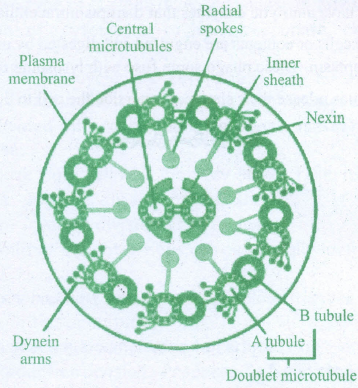
Movement: Outer microtubule doublet is associated with axonemal dynein which generates force for movement. The movement is ATP driven. The interaction between tubulin and dynein is the mechanism for the contraction of cilia and flagella. Dynein molecules uses energy from ATP to shift the adjacent microtubules. This movement bends the cilium or flagellum.
52.
(i) Asthma: It is characterized by narrowing and inflammation of bronchi andbronchioles and difficulty in breathing. Common allergens for asthma are dust, drugs, pollen grains, certain food items like fish, prawn and certain fruits etc.
(ii) Emphysema: Emphysema is chronic breathlessness caused by gradual breakdown of the thin walls of the alveoli decreasing the total surface area of a gaseous 'exchange. i.e., widening of the alveoli is called emphysema. The major cause for this disease is cigarette smoking, which reduces the respiratory surface of the alveolar walls.
(iii) Bronchitis: The bronchi when it gets inflated due to pollution smoke and cigarette smoking, causes bronchitis. The symptoms are cough, shortness of breath and sputum in the lungs.
(iv) Pneumonia: Inflammation of the lungs due to infection caused by bacteria or virus is called pneumonia. The common symptoms are sputum production, nasal congestion, shortness of breath, sore throat, etc.
(v) Tuberculosis: Tuberculosis is caused by Mycobacterium tuberculae. This infection mainly occurs in the lungs and bones. Collection of fluid between the lungs and the chest wall is the main complication of this disease.
(vi) Occupational respiratory disorders: The disorders due to one's occupation of working in industries like grinding or stone breaking, construction sites, cotton industries, etc. Dust produced affects the respiratory tracts. Long exposure can give rise to inflammation leading to fibrosis. Silicosis and asbestosis are occupational respiratory diseases resulting from inhalation of particle of silica from sand grinding and asbestos into the respiratory tract. Workers, working in such industries must wear protective masks.
53.
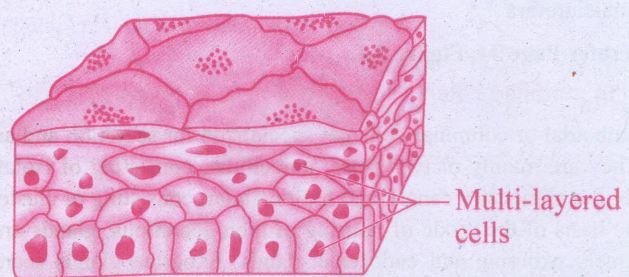
There are four types of compound epithelium namely, stratified squamous epithelium, cuboidal epithelium, columnar epithelium and transitional epithelium.
Stratified squamous epithelium is of two types called keratinized type which forms the dry epidermis of the skin and the non keratinized type forms the moist lining of the esophagus, mouth, conjunctiva of the eyes and vagina. Stratified cuboidal epithelium mostly found in the ducts of sweat glands and mammary glands. Stratified columnar epithelium has limited distribution in the body, found around the lumen of the pharynx, male urethra and lining of some glandular ducts.
Transitional Epithelium is found lining the ureters, urinary bladder and part of the urethra. This epithelium allows stretching and is protective in function.
54.
Epiphytic or velamen root: Some epiphytic orchids develop a special kind of aerial roots which hang freely in the air. These roots develop a spongy tissue called velamen which helps in absorption of moisture from the surrounding air. eg. Vanda, Dendrobium, Aerides.
Foliar root: Roots are produced from the veins or lamina of the leaf for the formation of new plant. eg. Bryophyllum, Begonia, Zamioculcas.
Sucking or Haustorial roots: These roots are found. in parasitic plants. Parasites develop adventitious roots from stem which penetrate into the tissue of the host plant and suck nutrients. eg. Cuscuta (dodder), Cassytha, Orobanche (broomrape), Viscum(mistletoe), Dendrophthoe.
Photosynthetic or assimilatory roots: Roots of some climbing or epiphytic plants develop chlorophyll and turn green which help in photosynthesis. eg. Tinospora, Trapa natans (water chestnut), Taeniophyllum.
55.
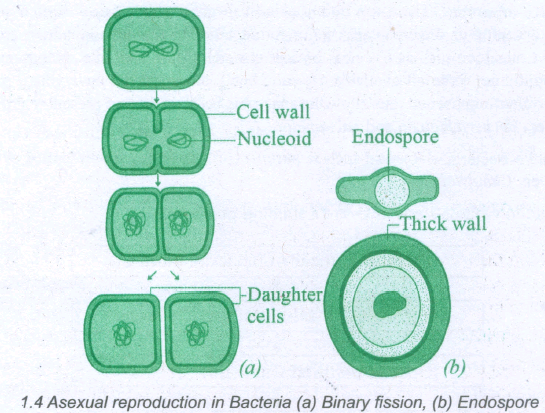
Bacteria reproduces asexually by Binary fission, conidia and endospore formation. Among these Binary fission is the most common one.
Binary fission: Under favourable conditions the cell divides into two daughter cells. The nuclear material divides first and it is followed by the formation of a simple median constriction which finally results in the separation of two cells.
Endospores: During unfavourable condition bacteria produce endospores. Endospores are produced in Bacillus megaterium, Bacillus sphaericus and Clostridium tetani. Endospores are thick walled resting spores. During favourable condition, they germinate and form bacteria.
56.
57.
Photoperiodic induction
1) An appropriate photoperiod in 24 hours cycle constitutes one inductive cycle. Plants may require one or more inductive cycles for flowering.
2) The phenomenon of conversion of leaf primordia into flower primordia under the influence of suitable inductive cycles is called photoperiodic induction.
Example: Xanthium (SDP) - 1 inductive cycle and Plantago (LDP)- 25 inductive cycles.
Site of Photoinductive perception
1) Photoperiodic stimulus is perceived by the leaves.
2) Floral hormone is synthesised in leaves and translocated to the apical tip to promote flowering.
3) This can be explained by a simple experiment on Cocklebur (Xanthium pensylvanicum), a short day plant.
4) Usually Xanthium will flower under short day conditions. If the plant is defoliated and kept under short day conditions it will not flower.
5) Flowering will occur even when all the leaves are removed except one leaf.
6) If a cocklebur plant is defoliated and kept under long day conditions, it will not flower.
7) If one of its leaves is exposed to short day condition and rest are in long day condition, flowering will occur.
58.
Electron Transport Chain (ETC) (Terminal oxidation)
(i) During glycolysis, link reaction and Krebs cycle the respiratory substrates are oxidized at several steps and as a result many reduced coenzymes NADH + H+ and FADH2 are produced.
(ii) These reduced coenzymes are transported to inner membrane of mitochondria and are converted back to their oxidized forms produce electrons and protons.
(iii) In mitochondria, the inner membrane is folded in the form of finger projections towards the matrix called cristae.
(iv) In cristae many oxysomes (F1 particles) are present which have electron transport carriers are present.
(v) According to Peter Mitchell's Chemiosmotic theory this electron transport is coupled to ATP synthesis. Electron and hydrogen(proton) transport takes place across four multiprotein complexes(I-IV). They are:
a) Complex-I (NADH dehydrogenase)
(i) It contains a flavoprotein(FMN) and associated with non-heme iron Sulphur protein (Fe-S). This complex is responsible for passing electrons and protons from mitochondrial NADH (Internal) to Ubiquinone(UQ).
\(\mathrm{NADH}+\mathrm{H}^{+}+\mathrm{UQ} \rightleftharpoons \mathrm{NAD}^{+}+\mathrm{UQH}_{2}\)
(ii) In plants, an additional NADH dehydrogenase (External) complex is present on the outer surface of inner membrane of mitochondria which can oxidise cytosolic NADH + H+.
(iii) Because mitochondrial inner membrane cannot allow NADH molecules directly in to the matrix. Ubiquinone (UQ) or Coenzyme Quinone (CoQ) is a small, lipid soluble electron, proton carrier located within the inner membrane of mitochondria.
b) Complex-II (Succinic dehydrogenase)
(i) It contains FAD flavoprotein is associated with non-heme iron Sulphur (Fe-S) protein.
(ii) This complex receives electrons and protons from succinate in Krebs cycle and is converted into fumarate and passes to ubiquinone.

c) Complex-III (Cytochrome bc1 complex)
(i) This complex oxidises reduced ubiquinone (ubiquinol) and transfers the electrons through Cytochrome bc1 Complex (Iron Sulphur center bc1 complex) to cytochrome c.
(ii) Cytochrome c is a small protein attached to the outer surface of inner membrane and act as a mobile carrier to transfer electrons between complex III to complex IV.
\(\mathrm{UQH}_{2}+2 \mathrm{CytC}_{\text {oxidised }} \rightleftharpoons \mathrm{UQ}+2 \mathrm{Cytc}_{\text {reduced }}+2 \mathrm{H}^{+}\)
d) Complex IV (Cytochrome c oxidase)
(i) This complex contains two copper centers (A and B) and cytochromes a and a3. Complex IV is the terminal oxidase and brings about the reduction of 1/2 O2 to H2O.Two protons are needed to form a molecule of H2O (terminal oxidation).
\(2 \mathrm{CytC}_{\text {oxidised }}+2 \mathrm{H}^{+}+1 / 2 \mathrm{O}_{2} \rightleftharpoons 2 \mathrm{CytC}_{\text {reduced }}+\mathrm{H}_{2} \mathrm{O}\)
(ii) The transfer of electrons from reduced coenzyme NADH to oxygen via complexes I to IV is coupled to the synthesis of ATP from ADP and inorganic phosphate (Pi) which is called Oxidative phosphorylation.
(iii) The F0F1- ATP synthase (also called complex V) consists of F0 and F1. F1 converts ADP and Pi to ATP and is attached to the matrix side of the inner membrane.
(iv) F0 is present in inner membrane and acts as a channel through which protons come into matrix.
59.
(a)
(b) Hypotonic
(c) Hypertonic
(d) More turgid
(e) Endosmosis, Because the cell is placed in pure water \(\left(\Psi_{\mathrm{W}}=0\right)\) or hypotonic solution. Hence the water enters into the artificial cell kept inside the beaker containing water.
60.
Annual Rings
(i) The activity of Vascular cambium is under the control of many physiological and environmental factors.
(ii) In temperate regions, the climatic conditions are not uniform throughout the year.
(iiii) In the spring season, cambium is very active and produces a large number of xylary elements having Vessels/tracheids with wide lumen.
(iv) The wood formed during this season is called spring wood or early wood.
(v) The tracheary elements are fairly thin walled.
(vi) In winter, the cambium is less active and forms fewer xylary elements that have narrow vessels tracheids and this wood is called autumn wood or late wood.
(vii) The tracheary elements are with narrow lumen, very thick walled.
(viii) Spring wood is lighter in colour with lower density.
(ix) Autumn wood is darker and has higher density.
(x) Sometimes Annual rings are called growth rings but all growth rings are not annual rings.
(xi) In some trees more than one growth ring is formed within a year due to climatic change.
(xii) Additional growth rings are developed within a year due to adverse natural calamities like drought, frost, defoliation, flood, mechanical injury and biotic factors during the middle of a growing season, which results in the formation of more than one annual ring. Such rings are called pseudo or false-annual rings.
(xiii) Each annual ring corresponds to one year's growth and on the basis of these rings, the age of a particular plant can easily be calculated.
(xiv) The determination of the age of a tree by counting the annual rings is called dendrochronology.
61.
(i) Lateral meristem increases the girth in both stem and root
(ii) Secondary growth in dicots and gymnosperms is brought about by two lateral meristems
(iii) Vascular cambium
(iv) Cork Cambium
(v) Vascular cambium produces the secondary vascular tissues. i.e. Secondary xylem and Secondary phloem.
62.
63.
| S.No. | Characters | Dicot root | Monocot root |
|---|---|---|---|
| 1. | Pericyle | Gives rise to lateral roots, phellogen and a part of vascular cambium. | Gives rise to lateral roots only. |
| 2. | Vascular tissue | Usually limited number of xylem and phloem strips. | Usually more number of xylem and phloem strips. |
| 3. | Conjunctive tissue | Parenchymatous; Its cells are differentiated into vascular cambium. | Mostly sclerenchymatous but sometimes parenchymatous. It is never differentiated in to vascular cambium. |
| 4. | Cambium | It appears as a secondary meristem at the time of secondary growth. | It is altogether absent. |
| 5. | Xylem | Usually tetrach | Usually polyarch |
64.
Structure of cochlea:
1. The cochlea lies in the inner ear. The cochlea is a coiled portion consisting on chambers namely: Scala vestibuli and Scala tympani - these two are filled with perilymph; and the Scala media is filled with endolymph.
2. At the base of the cochlea, the scala vestibule ends at the 'oval window' whereas the scala tympani end at the 'round window' of the middle ear.
3. The chambers of scala vestibuli and scala media are separated by a membrane called Reissner's membrane whereas the scala media and scala tympani are separated by a membrane called Basilar membrane.
Organ of corti :
1. The organ of Corti is a sensory ridge located on the top of the Basilar membrane and it contains numerous hair cells that are arranged in four rows along the length of the basilar membrane.
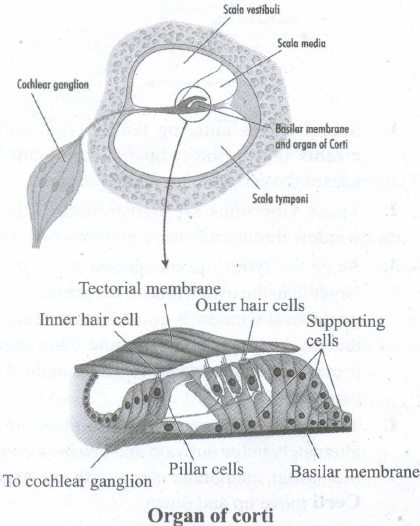
Protruding from the apical part of each hair cell is hair-like structures known as stereocilia.
3. During the conduction of sound wave, stereocilia make a contact with the stiff gel membrane called tectorial membrane, a rooflike structure overhanging the organ of corti throughout its length.
65.
| S.No. | Sympathetic Neural System (SNS) | Parasympathetic Neural system (PNS) |
|---|---|---|
| 1. | SNS originates in the thoracic and lumbar region of the spinal cord | PNS originates in the cranial region of the brain and the sacral region of the spinal cord |
| 2. | Sympathetic ganglia are linked up to form a chain. | Its ganglia remain isolated. |
| 3. | Preganglionic fibres are short and the postganglionic fibres are long. | Preganglionic fibres are long and the postganglionic fibres are short. |
| 4. | Noradrenaline is produced at the terminal ends of the postganglionic fibres at the effector organs. Hence the system is adrenergic | Acetylcholine is produced at the terminal ends of the postganglionic fibres at the effector organs. Hence the system is cholinergic. |
| 5. | Active during stressful conditions preparing the body to face them. | Active during relaxing times restoring normal activity after a stress |
| 6. | The overall effect is excitatory and stimulating. | The overall effect is inhibitory. |
| 7. | It is considered as the flight or fight system. | It is considered as 'The Rest and Digest System' or 'The Feed and Breed System'. |
66.
(i) A pair of adrenal glands are located at the anterior end of the kidneys. The outer region is the cortex and the inner region is the medulla.
(ii) The adrenal cortex has three distinct zones, they are 1. Zona glomerulosa 2. Zona fasciculata and 3. Zona reticularis.
(iii) Zona glomerulosa an outer thin layer constitutes about 15% of adrenal cortex and its secretes mineralocorticoids.
(iv) Zona fasiculata, the middle layer constitutes about 75% of adrenal cortex and secretes glucocorticoids such as cortisol, corticosterone and trace amounts of adrenal androgen and oestrogen.
(v) Zona Reticularis, an inner zone of adrenal cortex constitute about 10% of adrenal cortex and secretes the adrenal cortex androgen, trace amount of oestrogen and glycocorticoids.
67.
Structure of thyroid gland:
Thyroid gland is the largest endocrine gland in the body.
1. It is a butterfly shaped, bilobed gland located below the larynx on either side of upper trachea.
2. The two lateral lobes are connected by a median tissue mass called isthmus.
3. Each lobe is made up of many lobules. The lobules consist of follicles called acini.
4. Each acinus is lined with glandular, cuboidal or squamous epithelial cells. The lumen of acinus is filled with colloid, a thick glycoprotein mixture consisting of thyroglobulin molecules.
5. It secretes two hormones namely tri-iodothyronine [T3] and thyroxine or tetra- iodothyronine [T4].
6. The parafollicular cells or 'C' cells of thyroid gland secrete a hormone called thyrocalcitonin.
7. Iodine is essential for the normal synthesis of thyroid hormone.
8. Thyroid hormones shows a negative feedback effect on the hypothalamus and pituitary.
68.
(i) The structure of chemoreceptors
(ii) The receptors for taste and smell are the chemoreceptors
(iii) The smell receptors are excited by air borne chemicals that dissolve in fluids.
(iv) The yellow coloured patches of olfactory epithelium form the olfactory organs that are located on the roof of the nasal cavity.
69.
1. The sense of taste is considered to be the most pleasurable of all senses.
2. The tongue is provided with many small projections called papillae which give the tongue an abrasive feel.
3. Taste buds are located mainly on the papillae which are scattered over the entire tongue surface.
4. Most taste buds are seen on the tongue few are scattered on the soft palate, inner surface of the cheeks, pharynx and epiglottis of the larynx.
5. Taste buds are flask-shaped and consist of 50 - 100 epithelial cells of two major types.
70.
Types of Chicken breeds: There are more than 100 breeds. The commonly farmed chicken breeds are categorized into five based on the purpose for which it is farmed. They are egg layers, broiler type, dual type, games and ornamental types.
1. Egg layers: These are farmed mainly for the production of egg.
Leghorn: This is the most popular commercial breed in India and originated from Italy. They are small, compact with a single comb and wattles with white, brown or black colour. They mature early and begin to lay eggs at the age of 5 or 6 months. Hence these are preferred in commercial farms. They can also thrive well in dry areas.
Chittagong: It is the breed chiefly found in West Bengal. They are golden or light yellow coloured. The beak is long and yellow in colour. Ear lobes and wattles are small and red in colour. They are good egg layers and are delicious.
2. Broiler type: These are well known for fast growth and soft quality meat.
White Plymouth rock: They have white plumage throughout the body. It is commonly used in broiler production. This is an American breed. It is a fast growing breed and well suitable for growing intensively in confined farms.
3. Dual purpose breeds: These are for both meat and egg production purpose.
Brahma: It is a breed popularly known for its massive body having heavy bones, well feathered and proportionate body. Pea comb is one of the important breed characters. It has two common varieties namely, Light Brahma and Dark Brahma.
4. Game breeds: Since ancient times, special breed of roosters have been used for the sport of cockfighting.
Aseel: This breed is white or black in colour. The hens are not good egg layers but are good in incubation of eggs. It is found in all states of India. Aseel is noted for its pugnacity, high stamina, and majestic gait and dogged fighting qualities. This breed is well-known for their meat qualities.
5. Ornamental breeds: Ornamental chicken are reared as pets in addition to their use for egg production and meat.
Silkie: It is a breed of chicken has a typical fluffy plumage, which is said to feel like silk and satin. The breed has numerous additional special characters, such as black skin and bones, blue earlobes, and five toes on each foot, while the majority chickens only have four. They are exhibited in poultry shows, and come out in various colours. Silkie chicken is especially simple to maintain as pets.
71.
Stages involved in rearing: There are some steps involved in rearing of chicken.
1. Selection of the best layer: An active intelligent looking bird, with a bright comb, not obese should be selected.
2. Selection of eggs for hatching: Eggs should be selected very carefully. Eggs should be fertile, medium sized, dark brown shelled and freshly laid eggs are preferred for rearing. Eggs should be washed, cleaned and dried.
3. Incubation and hatching: The maintenance of newly laid eggs in optimum condition till hatching is called incubation. The fully developed chick emerges out of egg after an incubation period of 21 - 22 days. There are two types of incubation namely natural incubation and artificial incubation.
i. Natural incubation: In this method, only a limited number of eggs can be incubated by a mother hen.
ii. Artificial incubation: In this method, more number of eggs can be incubated in a chamber (Incubator).
4. Brooding: Caring and management of young chicks for 4 - 6 weeks immediately after hatching is called brooding. It can also be categorized into two types, namely natural brooding and artificial brooding.
5. Housing of Poultry: To protect the poultry from sun, rain and predators it is necessary to provide housing to poultry. Poultry house should be moistureproof, rat proof and it should be easily cleanable and durable.
6. Poultry feeding: The diet of chicks should contain adequate amount of water, carbohydrates, proteins, fats, vitamins and minerals.
72.
1. Contraction of the muscle depends on the presence of contractile proteins such as actin and myosin.
2. The thick filament of muscle fibres are composed of the protein myosin. The thin filaments are formed of three types of proteins called actin, tropomyosin and troponin. These four proteins are known as contractile proteins.
Thick myofilament:
3. Each myosin filament is made up of a monomer called meromyosin which has two regions, a globular head, a short arm called heavy meromyosin (HMM) and a tail called light meromyosin (LMM).
The globular head is an ATPase enzyme which has binding sites for ATP and actin - binding site.
Thin myofilament:
4. It is composed of two intertwined actin molecules. Actin has polypeptide subunits called G-actin (globular actin) and F - actin (Filamentous actin). F- actin is an polymer of monomeric G-Actin and also has a myosin - binding site.
5. The thin filaments also contain several regulatory proteins like tropomyosin and troponin which help in regulating muscles contraction.
73.
Types of skeletal muscle fibres:
Fast fibres and slow fibres:
1. Fibres containing myosin with high ATPase activity are classified as fast fibres and with lower ATPase activity are classified as slow fibres.
2. Oxidative and glycolytic fibres:
Fibres that contain numerous mitochondria and have a high capacity for oxidative phosphorylation are classified as oxidative fibres. The oxidative fibres are termed as red muscle fibres. Fibres that contain few mitochondria but possess a high concentration of glycolytic enzymes and large. stores of I glycogen are called glycolytic fibres. The lack of myoglobin gives pale colour to the fibres, so they are termed as white muscle fibres.
Skeletal muscle fibres are further classified into three types based on the above classification. They are slow - oxidative fibres, fast - oxidative fibres and fast - glycolytic fibres.
1. .Slow - oxidative fibres have low rates of myosin ATP hydrolysis but have the ability to make large amounts of ATP. These fibres are used for prolonged, regular activity such as long-distance swimming. Long-distance runners have a high proportion of these fibres in their leg muscles.
2. Fast-oxidative fibres have high myosin ATPase activity and can make large amounts of ATP. They are particularly suited for rapid actions.
3. Fast - glycolytic fibres have myosin ATPase activity but cannot make as much ATP as oxidative fibres, because their source of ATP is glycolysis. These fibres are best suited for rapid, intense actions, such as short sprint at maximum speed.
74.
75.
Mechanism of muscle contraction
(i) Sliding filament theory in 1954, Andrew F. Huxley and Rolf Niedergerke proposed the sliding-filament theory to explain muscle contraction.
(ii) According to this theory, overlapping actin and myosin filaments of fixed length slide past one another in an energy requiring process, resulting in muscle contraction.
(iii) The contraction of muscle fibre is a remarkable process that helps in creating a force to move or to resist a load.
(iv) The force which is created by the contracting muscle is called muscle tension.
(v) The load is a weight or force that opposes contraction of a muscle.
(vi) Contraction is the creation of tension in the muscle which is an active process and relaxation is the release of tension created by contraction.
(vii) Muscle contraction is initiated by a nerve impulse sent by the central nervous system (CNS) through a motor neuron.
(viii) The junction between the motor neuron and the sarcolemma of the muscle fibre is called the neuromuscular junction or motor end plate.
(ix) When nerve impulse reaches a neuromuscular junction, acetylcholine is released.
(x) It initiates the opening of multiple gated channels in sarcolemma. The action potential travels along the T-tubules and triggers the release of calcium ions from the sarcoplasmic reticulum.
(xi) The released calcium ions bind to troponin on thin filaments. The tropomyosin uncovers the myosin-binding sites on thin filaments.
(xii) Now the active sites are exposed to the heads of myosin to form a cross-bridge. During cross-bridge formation actin and myosin form a protein complex called actomyosin.
(xiii) Utilizing the energy released from hydrolysis of ATP, the myosin head rotates until it forms a 90° angle with the long axis of the filament.
(xiv) In this position myosin binds to an actin and activates a contraction relaxation cycle which is followed by a power stroke.
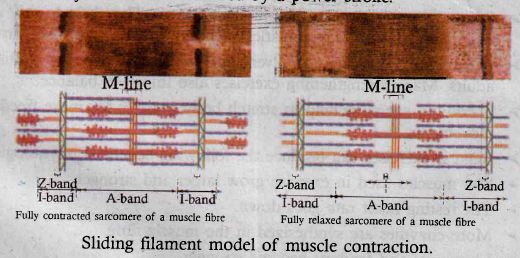
(xv) The power stroke (cross-bridge tilting) begins after the myosin head and hinge region tilt from a 90° angle to a 45° angle. The cross-bridge transforms into strong, high-force bond which allows the myosin head to swivel. When the myosin head swivels it pulls the attached actin filament towards the centre of the A-band.
(xvi) The myosin returns back to its relaxed state and releases ADP and phosphate ion. A new ATP molecule then binds to the head of the myosin and the cross-bridge is broken.
(xvii) At the end of each power stroke, each myosin head detaches from actin, then swivels back and binds to a new actin molecule to start another contraction cycle. This movement is similar to the motion of an oar on a boat.
(xviii) At the end of each power stroke, each myosin head detaches from actin, then swivels back and binds to a new actin molecule to start another contraction cycle.
(xix) The power stroke repeats many times until a muscle fibre contracts. The myosin heads bind, push and release actin molecules over and over as the thin filaments move toward the centre of the sarcomere.
(xx) The repeated formation of cross-bridge cycles cause the sliding of the filaments only but there is no change in the lengths of either the thick or thin filaments.
(xxi) The Z-discs attached to the actin filaments are also pulled inwards from both the sides, causing the shortening of the sarcomere (i.e. contraction). This process continues as long as the muscle receives the stimuli and with a steady flow of calcium ions.
(xxii) When motor impulse stops, the calcium ions are pumped back into the sarcoplasmic reticulum, results in the masking of the active sites of the actin filaments. The myosin head fails to bind with the active sites of actin and these changes cause the return of Z-discs back to their original position, i.e. relaxation.
76.
(a) Photoperiod which means light play a important functions in poultry farming.
1. Light influences the growth, development and production of chickens.
2. Light colour, duration and intensity play a role in poultry production.
3. It stimulates the internal cycle due to long day period.
4. Different colour light give the chickens to grow in proper way example blue colour gives them calming effect, blue green keep them to grow and orange red light stimulates them for their reproduction.
5. The photoperiod light also linked with temperature. The lamps light giving light with a cooling effect which generate lot of heat in their body this impact on growth of chicks along with light colour and intensity of the light.
(b) Polyculture of fishes:
Polyculture is otherwise known as composite fish farming. Some selected fishes which are belonged to different species are stocked together in proper proportion in a fish pond. This mixed farming is termed as composite fish farming.
Importance:-
1. Polyculture utilized all available nutrients
2. No Competition among different species is found.
3. Catla catla, labeo rohita, and cirrhinus mrigala are the commonly used fish species for polyculture fish farming.
77.
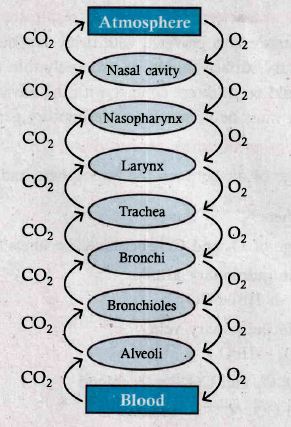
78.
Uremia:
1. Uremia is characterized by increase in urea and other non-protein nitrogenous substances like uric acid and creatinine in blood.
2. Normal urea level in human blood is about 17-30mg/LOOmL of blood. The urea concentration rises as 10 times of normal levels during chronic renal failure.
Renal calculi:
1. Renal calculi, also called renal stone or nephrolithiasis, is the formation of hard stone like masses in the renal tubules of renal pelvis.
2. It is mainly due to the accumulation of soluble crystals of salts of sodium oxalates and certain phosphates.
3. This result in severe pain called "renal colic pain" and can cause scars in the kidneys. Renal stones can be removed by techniques like pyleothotomy or lithotripsy.
79.
A. Common hepatic duct
B. Common bile duct
C. Pancreatic duct (duct of Wirsung)
D. Sphincter of Oddi
E. Cystic duct
80.
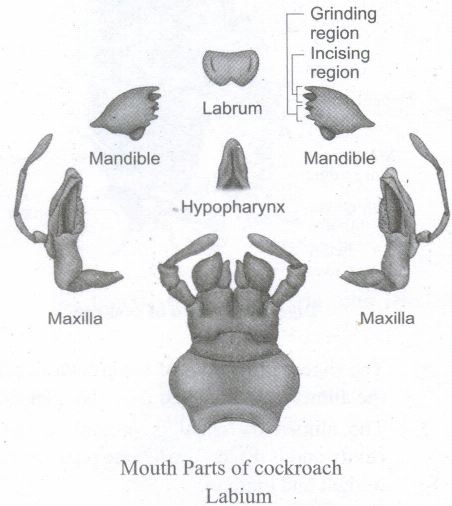
81.
A. Aortic arch
B. Left Pulmonary Artery
C. Left Pulmonary Vein
D. Semilunar Valve
E. Left Ventricle
F. Right Ventricle
G. Inferior Vena Cava
82.
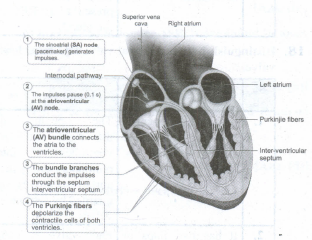
83.
(i) The process of elimination of nitrogenous wastes, salt and water balance from the body is called excretion.
(ii) This system consists of a paired kidneys, ureters, urinary bladder and cloaca.
(iii) Kidneys are dark red, long, flat organs situated on either sides of the vertebral column.
(iv) Kidneys are mesonephric type.
(v) The functional excretory units of kidneys are nephrons.
(vi) Nephrons separate nitrogenous wastes from the blood and excrete urea so frogs are ureotelic.
(vii) A paired long ureter emerges from the kidneys and opens into the cloaca.
(viii) A thin walled unpaired urinary bladder is present ventral to the rectum.
(ix) Rectum opens into the cloaca.
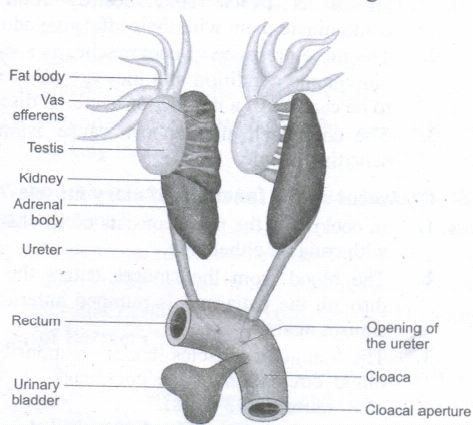
84.
1. The respiratory system of cockroach is well developed compared with other terrestrial insects.
2. Branched tubes known as trachea open through 10 pairs of small holes called spiracles or stigmata, present on the lateral side of the body.
3. Terminal branches of tracheal tubes are called tracheoles which carry oxygen to the entire body. The spiracles open and close by valves regulated by sphincter or spiracular muscles. Each tracheole is filled with a watery fluid through which exchange of gases takes place.
4. During high muscular activity, a part of the fluid is drawn into the tissues to enable more oxygen intake and rapid diffusion.
5. The passage of air in the tracheal system is:

85.
Muscle tissue:
1. Each muscle is made of many long, cylindrical fibres arranged in parallel arrays. These fibres are composed of numerous fine fibrils, called myofibrils. Muscle fibres contract (shorten) in response to stimulation, then relax (lengthen) and return to their uncontracted state in a coordinated fashion. In general muscles play an active role in all the movements of the body.
2. Muscles are of three types, a. Skeletal, b. Smooth and c. Cardiac.
a) Skeletal muscle tissue:
(i) It is closely attached to skeletal bones.
(ii) In a typical muscle such as the biceps, the striated (striped) skeletal muscle fibres are bundled together in a parallel fashion.
(iii) A sheath of tough connective tissue encloses several bundles of muscle fibres.
b) Smooth muscle tissue:
(i) The smooth muscle fibres taper at both ends (fusiform) and do not show striations.
(ii) Cell junctions hold them together and they are bundled together in a connective tissue sheath. The walls of internal organs such . as the blood vessels, stomach and intestine contain this type of muscle tissue.
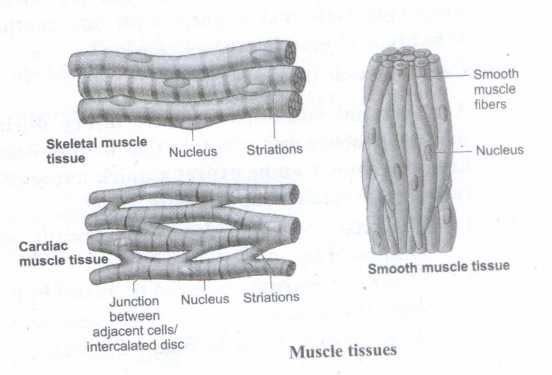
(iii) Smooth muscles are 'involuntary' as their functions cannot be directly controlled.
c) Cardiac muscle tissue:
(i) It is a contractile tissue present only in the heart.
(ii) Cell junctions fuse the plasma membranes of cardiac muscle cells and make them stick together.
(iii) Communication junctions (intercalated discs) at some fusion points allow the cells to contract as a unit, i.e., when one cell receives a signal to contract, its neighbours are also stimulated to contract.
86.
Epithelium:
A grouped sheet of cells which covers the body surface or lines the body cavity forming epithelial tissues constitute epithelium.
Characteristic features of different epithelia
(1) Simple epithelium:
(a) Common Features:-
(i) It is composed of a single layer of cells (uniseriate).
(ii) This cells are found in the organs of absorption, secretion and filtration. It is further classified into
(A) Squamous epithelium
Features:-
(1) flattened cells form a thin single layer
(i) Formed layer has irregular boundaries
(ii) It is located in kidney glomeruli, alveoli/air sacs of lungs, lining of heart, blood vessels and lymphatic vessels.
Function:-
(i) Involved in functions like forming a diffusion boundary and filtration in sites where protection is unimportant.
(B) Cuboidal epithelium
Features:-
(i) Cube like cells form a single layer.
(ii) It is found in kidney tubules, ducts and secretory parts of small glands and surface of the ovary.
Function:-
It promotes secretion and absorption.
(C) Columnar epithelium
Features:-
(i) Tall pillar like cells form a single layer.
(ii) Nuclei are round or oval shaped located at the base of the cytoplasm.
(iii) It lines the digestive tract from the stomach to rectum (gastro intestinal tract).
(iv) Its lining shows two types of modifications.
(a) Cells show microvilli at their apical surfaces for absorption.
(b) Goblet cells secrete the protective lubricating mucus.
Functions:-
(i) Absorption, secretion of mucus, enzymes and other substances.
(ii) Ciliated type propels mucus by ciliary actions which is found on lining of small bronchioles, fallopian tubes and uterus.
(iii) Non-ciliated type lines most of the digestive tract, gall bladder and secretory ducts of glands for secretion.
(D) Pseudo- stratified epithelium
(i) Unequal sized columnar cells form a single layer.
(ii) It is naturally single layered but appears to be multilayered due to the various locations of nuclei in cytoplasm.
Function:-
(i) Protection, secretion and absorption.
(ii) Ciliated forms line the trachea and the upper respiratory tract for the passage of air.
(iii) Non-ciliated forms line the epididymis, large ducts of glands and tracts of male urethra for secretion and protection.
(2) Compound Epithelium
Common Features:-
Glandular epithelium
(i) Specialized cuboidal and columnar cells constitute glandular epithelium for secretion.
(ii) Stratified epithelia are built for protection or to resist abrasion.
Types
(a) Unicellular:-
Eg: isolated glandular cells like goblet cells of alimentary canal.
(b) Multi cellular:-
Eg: Cluster of cells found in salivary glands.
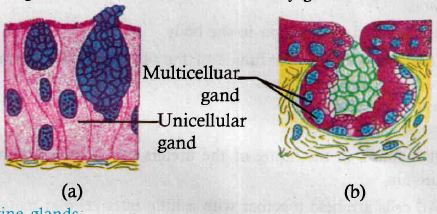
Exocrine glands
(i) Glands with ducts secrete mucus, saliva, ear wax, oil, milk, digestive enzymes and other cellular products.
Other features and functions of compound epithelium.
(i) Has a limited role in secretion and absorption.
(ii) It may be striated and transitional.
(iii) Cells form many layers (Strata).
Main functions:
(i) To provide protection against mechanical and chemical stresses.
(ii) Covers the dry surface of the skin, the moist surface of buccal cavity, pharynx, inner lining of salivary glands and pancreatic ducts.
Types:
There are four types
(a) Stratified squamous epithelium
(b) Stratified cuboidal epithelium
(c) Stratified columnar epithelium
(d) Transitional epithelium
(a) Stratified squamous epithelium Features:
Divisible into two types
(i) Keratinized
(ii) Non-keratinized
Functions:
(i) Keratinized:- forms the dry epidermis of the skin
(ii) Non- keratinized:- forms the moist lining of the oesophagus, mouth, conjunctiva of eyes and vagina.
(b) Stratified cuboidal epithelium:
Features:
(i) Cells are cubical forming multilayers mostly found in the ducts of sweat and mammary glands.
Function
(ii) Aids in protecting and promoting sweating and lactation.
(c) Stratified columnar epithelium Features:
(i) Has limited distribution in the body.
(ii) It is found around the lumen of the pharynx, male urethra and lining of some glandular ducts.
(d) Transitional epithelium Features:
(i) It is found in the lining of the ureters, urinary bladder and a part of urethra.
(ii) All cells are held together with a little inter cellular material.
(iii) There are specialised junctions link between the structural and functional activities between its individual cells.
| S.No. | Types of junctions | Functions |
| (1) | Tight junctions | Help to stop substances from leaking across a tissue |
| (2) | Adhering junctions | Perform cementing to keep neighbouring cells together |
| (3) | Gap junctions | Facilitate the cells to communicate with each other by connecting the cytoplasm of adjoining cells for rapid transfer of ions, many small molecules and some big molecules. |
87.
Classification of connective tissue and their functions Introduction:
(i) Connective tissue develops from the middle layer called mesoderm.
(ii) It is widely distributed in the body.
(iii) This tissue includes four classes.
(iv) The connective tissue includes fats and fibrous tissues
Four main classes are
i. Cartilage
ii. Bones
iii. Blood
iv. Other minor connective tissues
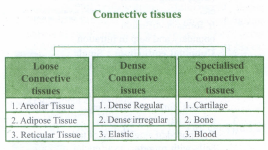
Components:
Main components are of three types, they are
1. Fibres
2. Ground substance or matrix
3. Cells
(i) Three fibres provide support in the matrix, they are collagen, elastic and reticular fibres.
(ii) Main types of connective tissue are of three types
A) loose connective tissue
B) Dense connective tissue
C) Specialized connective tissue.
(A) Loose connective tissue:
(i) This tissue includes Areolar, Adipose and Reticular tissue.
(ii) Cells and fibres are loosely arranged in a semi fluid matrix.
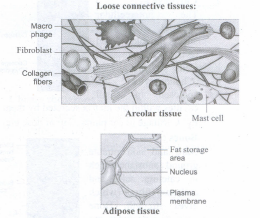
(i) Areolar tissue
(i) It acts as a support frame work for epithelium
(ii) It also acts as a reservoir of water and salts for the surrounding body tissues hence it is aptly called as tissue fluid.
(iii) It is a binding tissue.
(iv) Fibroblasts, macrophages and mast cells are its inclusions.
(ii) Adipose tissue
(i) It is found below the skin.
(ii) Cells are called as 'fat cells' or adipocytes.
(iii) 90% of this tissue mass is rich in fats.
(iv) This tissue stores fats which are unutilized nutrients for the metabolism of the body.
(v) This tissue is richly vascularised to exhibit high metabolic activity.
(vi) Under starvation this tissue provides fuel as energy rich substance.
(vii) It is found surrounding the kidneys, eyeball, heart, etc.
Divisions
(a) White fat or white adipose tissue: Cells contain less mitochondria, stores fat.
(b) Brown fat or Brown adipose tissue: Cells contain more mitochondria, oxidise fats to release heat energy (it is called as non-shivering thermogenesis)
(iii) Reticular:
(i) It forms an internal frame work (stroma) that supports the blood cells like lymphocytes in the lymph nodes, spleen and bone marrow.
(B) Dense connective tissue
(i) Fibres and fibroblasts are compactly packed
(ii) Divisible into i) Regular ii) Irregular iii) Elastic
i) Dense regular connective tissue:
(i) Regular type mainly contains collagen fibres in rows between parallel bundles of tissues.
(ii) It contains few elastic fibres.
(iii) Its major cell type is fibroblast which attaches to muscles.
(iv) It also withstands great tensile stress when pulling force is applied in one direction.
(v) It is found in tendon (bone and muscle are connected) and ligament (bone and bone are connected).
ii) Dense irregular connective tissue:
(i) Irregular type contains thick collagen fibres and the major cell type is fibroblast.
(ii) It is able to withstand tension exerted in many directions.
(iii) It provides structural strength.
(iv) Its elastic fibres are found in the leathery dermis
(v) It forms fibrous capsules of organs like kidneys, bones, cartilages, muscles, nerves and joints
iii) Elastic connective tissue:
(i) Elastic connective tissue consists of bulk of elastic fibres
(ii) It permits recoil of tissues following stretching.
(iii) It maintains the pulsatile flow of blood through the arteries and the passive recoil of lungs following inspiration.
(iv) It is found in the walls of large arteries, ligaments associated with vertebral column and within the walls of the bronchial tubes.
(C) Specialised connective tissues
(i) Classified into 1) Cartilage 2) Bones 3) Blood
(i) Cartilage:
(i) It is solid and found as inter cellular material and it is pliable.
(ii) It resists compression.
(iii) Cells are chondrocytes found in the small cavities of matrix.
(iv) Chondrocytes secrete matrix.
(v) Found in vertebrate embryos and then it is replaced by bones in adults.
(vi) It is found in the tip of nose, outer ear joints, external ear pinna, between adjacent bones of vertebral column, limbs and hands in adults.
(ii) Bones:
(i) A hard and non-pliable matrix rich in calcium salts and collagen fibres.
(ii) Calcium salts strengthen the bones and teeth.
(iii) Collagen fibres give mechanical strength.
(iv) It mainly provides structural frame to the body
(v) Bones support and protect the soft tissues of visceral organs.
(vi) Osteocytes are bone cells found in the spaces called lacunae.
(vii) Bear the weight of the long bones of legs.
(viii) Bones interact with the skeletal muscles to bring about movements.
(ix) Bone marrow is the site of production of blood cells.
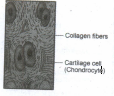
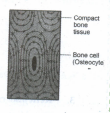
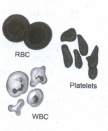
(iii) Blood:
(i) It is a fluid connective tissue found with plasma, red blood cells, white blood cells and platelets.
(ii) It is a transportary medium of cardio vascular system.
(iii) It carries nutrients, wastes respiratory gases like O2 and CO2 throughout the body.
88.
(i) The word biology itself is a greek word where bios means life and logos means study.
(ii) The role for latin and greek words are used in classification especially in Binomial classification.
(iii) Named to understand and remember the scientific names of organisms.
(iv) The Binomial nomenclature (L.Bio-two; Nomen-Name) Vector animals and Plants is largely derived from latin and Greek words.
(v) Binomial nomenclature was originally codified in the works of Carolus Linnaeus (1753), Species Plantarum.
(vi) Latin is now used by classical scholars, certain purpose in botany and in the medicine field.
(vii) The purpose is to give every species a distinct name which will be recognized everywhere became common names abundant species vary from country to country or even from region to region within a country.
(viii) using latin and greek forms simply refresh the main language of science when this system was invented.
(ix) Other languages words now used are given grammatical endings derived from the classical languages. Ex: Blakea atton boroaghi.
89.
1. On the Forest floor, fern stems live safely tucked below the ground.
2. They survive moderate fires even if all fronds are burnt away.
3. Once rains come and light is available, and when nutrients get released after the fire, new fronds are produced easily.
4. Thus ferns are often the first plants to grow after a fire.
90.
Datura metal in botanical terms:
1. Habit: Large, erect and stout herb.
2. Root: Branched tap root system.
3. Stem: Stem is hollow, green and herbaceous with strong odour.
4. Leaf: Simple, alternate, petiolate, entire or deeply lobed, glabrous exstipulate showing unicostate reticulate venation.
5. Inflorescence: Solitary and axillary cyme.
6. Flower: Flowers are large, greenish white, bracteate, ebracteolate, pedicellate, complete, heterochlamydeous, pentamerous, regular, actinomorphic, bisexual and hypogynous.
7. Calyx: Sepals 5, green synsepalous showing valvate aestivation. Calyx is mostly persistent, odd sepal is posterior in position.
8. Corolla: Petals 5, greenish white, sympetalous, plicate (folded like a fan) showing twisted aestivation, funnel shaped with wide mouth and 10 lobed
9. Androecium: Stamens 5, free from one another, epipetalous, alternipetalous and are inserted in the middle of the corolla tube. Anthers are basifixed, dithecous, with long filament, introse and longitudinally dehiscent.
10. Gynoecium: Ovary bicarpellary, syncarpous superior ovary, basically bilocular but tetralocular due to the formation of false septum. Carpels are obliquely placed and ovules on swollen axile placentation.
11. Fruit: Spinescent capsule opening by four apical valves with persistent calyx.
12. Seed: Endospermous.
13. Floral Formula:
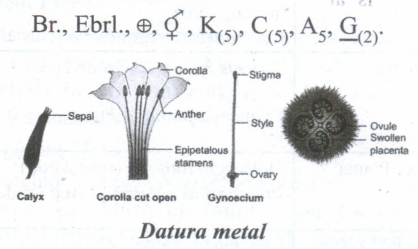
91.
1. Based on the R group amino acids are classified as acidic, basic, polar, non-polar.
2. The amino group of one amino acid reacts with carboxyl group of other amino acid, forming a peptide bond.
3. Two amino acids can react together with the loss of water to form a dipeptide. Long strings of amino acids linked by peptide bonds are called polypeptides. In 1953 Fred Sanger first sequenced the Insulin protein.
Structure of Protein:
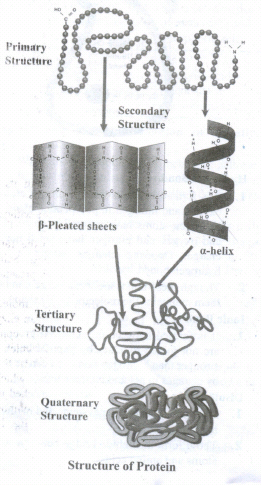
1. Protein is synthesised on the ribosome as a linear sequence of amino acids which are held together by peptide bonds.
2. After synthesis, the protein attains conformational change into a specific 3D form for proper functioning.
3. According to the mode of folding, four levels of protein organisation have been recognised namely primary, secondary, tertiary and quaternary
(i) The primary structure is linear arrangement of amino acids ill a polypeptide chain.
(ii) Secondary structure arises when various functional groups are exposed on outer surface of the molecular interaction by forming hydrogen bonds. This causes the amino acid chain to twist into coiled configuration called a-helix or to fold into a flat \(\beta \) -pleated sheets.
(iii) Tertiary protein structure arises when the secondary level proteins fold into globular structure called domains.
(iv) Quaternary protein structure may be assumed by some complex proteins in which more than one polypeptide forms a large multi-unit protein. The individual polypeptide chains of the protein are called subunits and the active protein itself is called a multimer. Eg: Enzymes serve as catalyst for chemical reactions in cell and are non-specific. Antibodies are complex glycoproteins with specific regions of attachment for various organisms.
92.
| a | Radical buds | Foliar buds |
| Differences | Radical buds arises from the lateral roots. Eg. Sweet potato | Foliar buds develop from veins or from margins of the leaves. Eg. Begonia |
| Similarities | It is a type of adventitious root | It is a type of adventitious root |
| b | Phylloclade | Cladode |
| Differences | Presence of series of nodes and internodes. Eg: Casuarina | Presence of one or two internodes only. Eg: Asparagus |
| Similarities | Phylloclade is a stem modification | Cladode is a stem modification |
93.
The fruits are derived from single pistil where the pericarp is fleshy, succulent and differentiated into epicarp, mesocarp and endocarp. It is subdivided into the following.
(i) Berry: Fruit develops from bicarpellary or multicarpellary, syncarpous ovary. Here the epicarp is thin, the mesocarp and endocarp remain undifferentiated. They form a pulp in which the seeds are embedded. Eg: Tomato, Grapes, Brinjal.
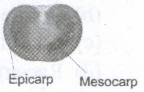
(ii) Drupe: Fruit develops from monocarpellary, superior ovary. It is usually one seeded. Pericarp is differentiated into outer skinny epicarp, fleshy and pulpy mesocarp and hard and stony endocarp around the seed. Eg: Mango, Coconut.
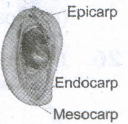
(iii) Pepo: Fruit develops from tricarpellary inferior ovary. Pericarp turns leathery or woody which encloses, fleshy mesocarp and smooth endocarp. Eg: Cucumber, Watermelon, Bottle gourd, Pumpkin.
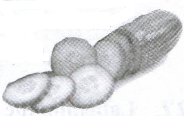
(iv) Hesperidium:Fruit develops from multicarpellary, multilocular, syncarpous, superior ovary. The fruit wall is differentiated into leathery epicarp with oil glands, a middle fibrous mesocarp. The endocarp forms distinct chambers, containing juicy hairs. Eg: Orange, Lemon.
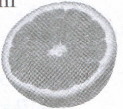
(v) Pome: It develops from multicarpellary, syncarpous, inferior ovary. The receptacle also develops along with the ovary and becomes fleshy, enclosing the true fruit. In pome the epicarp is thin skin like and endocarp is cartilaginous. Eg: Apple, Pear.
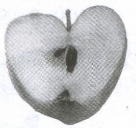
(vi) Balausta: A fleshy indehiscent fruit developing from multicarpellary, multilocular inferior ovary whose pericarp is tough and leathery. Seeds are attached irregularly with testa being the edible portion. Eg: Pomegranate.
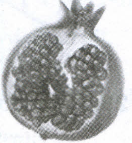
94.
(i) The symbiotic association between algae and fungi is called lichens.
(ii) The algal partner is called Phycobiont or Photobiont and the fungal partner is called Mycobiont.
(iii) Algae provide nutrition for fungal partner in turn fungi provide protection and also help to fix the thallus to the substratum through rhizinae.
(iv) Asexual reproduction takes place through fragmentation, Soredia and Isidia. Phycobionts reproduce by akinetes, hormogonia, aplanospore, etc., Mycobionts undergo sexual reproduction and produce ascocarps.
Classification:
(i) Based on the habitat lichens are classified into following types: Corticolous (on Bark) Lignicolous (on Wood) Saxicolous (on rocks) Terricolous (on ground) Marine (on siliceous rocks of sea) Fresh water(on siliceous rock of fresh water).
(ii) On the basis of morphology of the thallus they are divided into Leprose (a distinct fungal layer is absent) Crustose-crust like; Foliose-leaf like; Fruticose-branched pendulous shrub like.
(iii) The distribution of algal cells distinguishes lichens into two forms namely Homoiomerous (Algal cells evenly distributed in the thallus) and Heteromerous (a distinct layer of algae and fungi present)
(iv) If the fungal partner of lichen belongs to ascomycetes, it is called Ascolichen and if it is basidiomycetes it is called Basidiolichen.
95.
Factors affecting the rate of enzyme reactions: Enzymes are sensitive to environmental conditions. It could be affected by temperature, pH, substrate concentration and enzyme concentration. The rate of enzyme reaction is measured by the amount of substrate changed or amount of product formed, during a period of time.
1. Temperature: Heating increases molecular motion. Thus the molecules of the substrate and enzyme move more quickly resulting in a greater probability of a reaction occurring. The temperature that promotes maximum activity is referred to as optimum temperature.
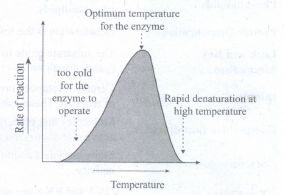
2. pH: The optimum pH is that at which the maximum rate of reaction occurs. Thus the pH change leads to an alteration of enzyme shape, including the active site. If extremes of pH are encountered by an enzyme, then it will be denatured.
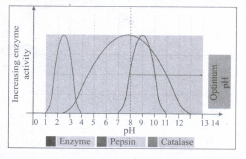
3. Substrate concentration: For a given enzyme concentration, the rate of an enzyme reaction increases with increasing substrate concentration.
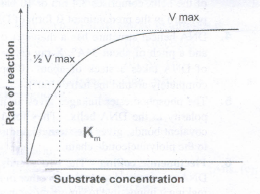
4. Enzyme concentration: The rate of reaction is directly proportional to the enzyme concentration.
5. Michaelis-Menten Concept: When the initial rate of reaction of an enzyme is measured over a range of substrate concentrations (with a fixed amount of enzyme) and the results plotted on a graph. With increasing substrate concentration, the velocity increases - rapidly at lower substrate concentration.
6. Inhibitors of Enzyme: Certain substances present in the cells may react with the enzyme and lower the rate of reaction. These substances are called inhibitors. It is of two types competitive and non-competitive.
96.
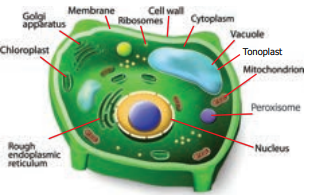
Ultra Structure of Plant Cell
97.
| S.No | Solanaceae | Liliaceae |
|---|---|---|
| 1. | It belongs to dicotyledons | It belongs to monocotyledons |
| 2. | Habit- mostly annual herbs, shrubs & small trees |
Mostly perennial herbs |
| 3. | Root- branched tap root | Adventitious & fibrous |
| 4. | Calyx & corolla present | Only perianth is present |
| 5. | Stamens 5, epipetalous | Stamens 6 arranged in 2 whorls of 3 each. |
| 6. | Bicarpellary, bilocular | Tricarpellary, trilocular |
| 7. | Capsule or berry | Septicidal or loculicidal capsule or a berry |
98.
99.
(i) Pachytene:
1. At this stage bivalent Chromosomes are clearly visible as tetrads. Bivalent of meiosis I consists of 4 chromatids and 2 centromeres.
2. Synapsis is completed and recombination nodules appear at a site where crossing over takes place between non-sister chromatids of homologous Chromosome.
3. Recombination of homologous Chromosomes is completed by the end of the stage but the Chromosomes are linked at the sites of crossing over. This is mediated by the enzyme recombinase.
(ii) Diplotene:
1. Synaptonemal complex disassembled and dissolves. The homologous Chromosomes remain attached at one or more points where crossing over has taken place.
2. These points of attachment where 'X' shaped structures occur at the sites of crossing over is called Chiasmata. Chiasmata are chromatin structures at sites where recombination has been taken place.
100.
101.
(1) Water potential \(\left(\Psi_{\mathrm{W}}\right)\) can be determined by,
(i) Solute concentration or Solute Potential \(\left(\Psi_{\mathrm{S}}\right)\)
(ii) Pressure potential \(\left(\Psi_{\mathrm{P}}\right)\)
(2) By correlating two factors, water potential is written as,
(3) Water potential = Solute potential + Pressure potential
(4) \(\Psi_{W}=\Psi_{S}+\Psi_{P}\)
102.
(i) Nephrons of kidneys absorb and reabsorb blood plasma (55%) and handover it to venules of renal vein so that an average blood volume is maintained.
(ii) Oxygenated blood flows in the arterial system expresses the systolic pressure (120mm Hg) to balance the normal blood pressure towards the body organs.

11th Standard Syllabus & Materials
11th Standard
TN 11th Tamil பீடு பெற நில் - செய்யுள் - காவடிச்சிந்து Important Questions And Answers Study Material - QB365 Set A
NEW11th Standard
TN 11th Tamil பீடு பெற நில் - உரைநடை - மலை இடப்பெயர்கள் : ஓர் ஆய்வு Important Questions And Answers Study Material - QB365 Set A
NEW11th Standard
TN 11th Tamil மாமழை போற்றுதும் - துணைப்பாடம் - யானை டாக்டர் Important Questions And Answers Study Material - QB365 Set A
NEW11th Standard
TN 11th Tamil மாமழை போற்றுதும் - செய்யுள் - ஐங்குறுநூறு Important Questions And Answers Study Material - QB365 Set A



Tamilnadu Stateboard 11th Standard Subjects

Maths

Commerce

Economics
Biology

Business Maths and Statistics

Accountancy

Computer Science

Physics

Chemistry
Maths
Biology
Economics
Physics
Chemistry

History
Business Maths and Statistics

Computer Science
Accountancy

Computer Applications
History
Computer Technology
Commerce
Computer Applications
Computer Technology

Tamil

English

French
Tamilnadu Stateboard Standards

