
 100% FREE ACCESS
11th Standard Syllabus & Materials
11th Standard
TN 11th Tamil இயற்கை வேளாண்மை,சுற்றுச்சூழல் -செய்யுள் - மனோன்மணீயம் Important Questions And Answers Study Material - QB365 Set A
NEW11th Standard
TN 11th Tamil என்னுயிர் என்பேன் -துணைப்பாடம் - இசைத்தமிழர் இருவர் Important Questions And Answers Study Material - QB365 Set A
NEW11th Standard
TN 11th Tamil மொழி கலை -செய்யுள் - ஒவ்வொரு புல்லையும் Important Questions And Answers Study Material - QB365 Set A
NEW11th Standard
TN 11th Tamil பீடு பெற நில் - இலக்கணம் - பகுபத உறுப்புகள் Important Questions And Answers Study Material - QB365 Set A
NEW11th Standard
TN 11th Tamil பீடு பெற நில் - துணைப்பாடம் - வாடிவாசல் Important Questions And Answers Study Material - QB365 Set A
NEW11th Standard
TN 11th Tamil பீடு பெற நில் - செய்யுள் - குறுந்தொகை Important Questions And Answers Study Material - QB365 Set A

Published on: 14/03/2020
11th Standard Biology English Medium All Chapter Book Back and Creative Three Marks Questions 2020
Download Tamil Nadu 11th Standard Biology question papers, model tests, one-mark questions, important questions, and public exam papers in PDF format. Free study materials and answer keys for TN State Board students.
Questions + Answers key
Take MCQ Biology Test1.
A person suffering from severe fever, head ach and fatigue so he visits his doctor. What type of diagnosing procedure does the doctor recommended for him. Name the medical equipment is used for it?
2.
If the heart beat goes down less than 60, what is the name of that condition?
3.
What is known as binaural stethoscope?
4.
Name the composition of "Sebum"?
5.
What happens when you have appendicitis?
6.
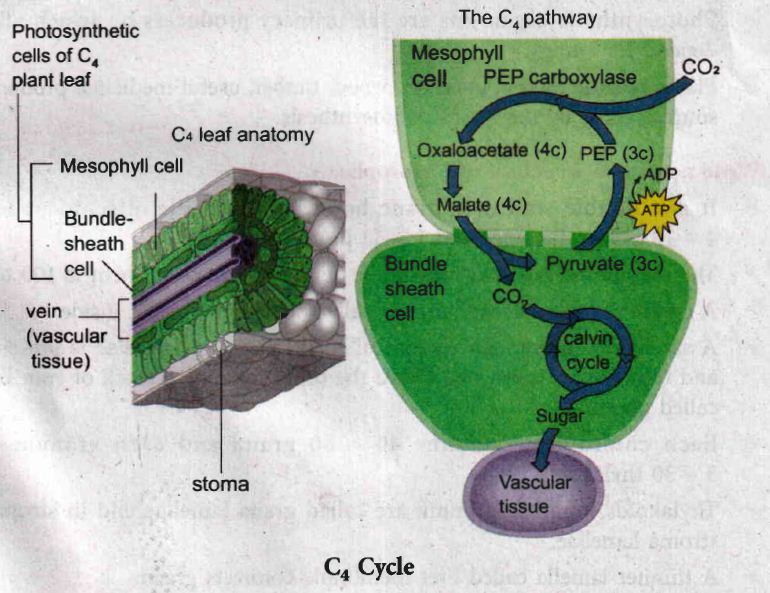
What is Kranz sheath?
7.
How are fibres classified based on usage in daily life.
8.
Write the internal factors for condition of growth.
9.
What is sigmoid curve? Mention their phases
10.
List out Conclusions of Hill's Reaction
11.
Draw the structure of chloroplast and label two parts.
12.
What is denitrification?
13.
Differentiate alcoholic ferentation and Lactic acid fermentation
14.
List the criteria for essential minerals.
15.
Differentiable Active and Passive absorption of water.
16.
What are the objections to Root pressure being a force for ascent of sap.
17.
Differentiate floating and protoplasmic respiration?
18.
Differences Secondary Growth in Dicot Stem and Root
19.
List the differences between Vascular Cambium and Cork Cambium
20.
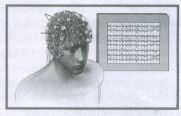
How does a normal EEG appear?
21.
Give a brief account on the features of cephalochordata.
22.
Write on the secretions of the pancreas
23.
What are the advantages of assigning nomenclature to organisms
24.
Distinguish between Family and Order
25.
Why sibilings show disfmilarities?
26.
In which organelle of plant cell does the barcode genes are located? Name the genes.
27.
Certain plants like Aloe and Agave can survive in extreme dry conditions. How?
28.
List out the various asexual spores produced by algae.
29.
List out the various types of vegetative reproduction seen in algae.
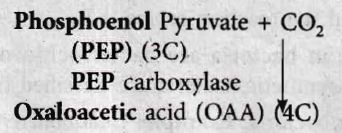
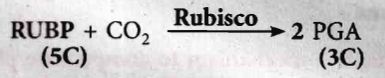
30.
Explain the different types of placentation with example.
31.
Write a short note on Waxes
32.
What is Floriculture ?
33.
Diffentiate between Endocytosis and Exocytosis.
34.
What is Protoplasm Theory?
35.
Mention about Asexual Reproduction in fungi.
36.
Write about the five primary functions of the respiratory system.
37.
Explain the Michaelis-Menton Constant (km) with graphical representation.
38.
Explain the different types of stigma with suitable example
39.
What is plasticity?
40.
A timber merchant bought 2 logs of wood from a forest & named them A & B, The log A was 50 year old & B was 20 years old. Which log of wood will last longer for the merchant? Why?
41.
Swathy comes to India from America through air after a long journey, she suffers with jetlag. Find out the reason.
42.
What is Cushing's syndrome?
43.
Mention the functions of frontal and temporal lobes of the Brain.
44.
What are the Ionic channels in the axolemma?
45.
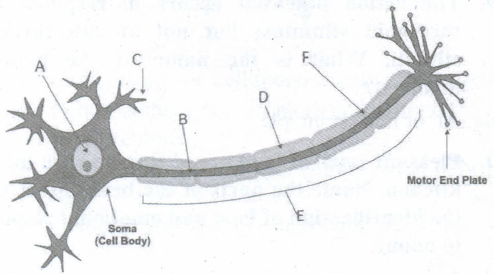
Label the parts of the neuron.
46.
47.
48.
Major carps are best-suited fishes for culture in India. Give reasons.
49.
Differentiate between A - band and I - band.
50.
Name the regions of the vertebral column and the number of vertebrae present in them
51.
List any three common uses of shellac.
52.
How does an isometric contraction take place?
53.
Name the different types of movement
54.
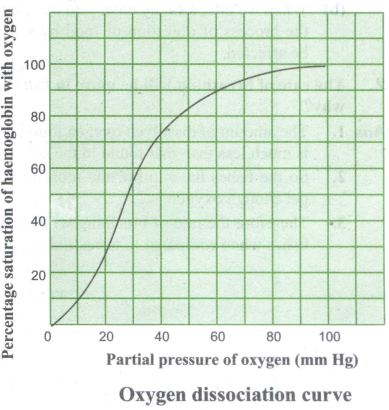
Draw an oxygen dissociation curve.
55.
Why are Immunosuppressive drugs required for kidney transplantation?
56.
Protein molecules of larger size can pass through the lymph vessel? Give reason.
57.
List the chemical changes that starch molecule undergoes from the time it reaches the small intestine.
58.
What is the advantage of completely separated circuits in circulation?
59.
What is hepatic caecae?
60.
What are the heart sounds? When and how are these sounds produced?
61.
List the unique features of cardiac muscles.
62.
Explain Gap Junctions.
63.
64.
Name the Exoskeletal structures found in the following animals.
65.
Compare Schizocoelom with enterocoelom.
66.
List any five salient features of the family Felidae.
67.
Discuss in detail about the Bacterial Chromosome.
68.
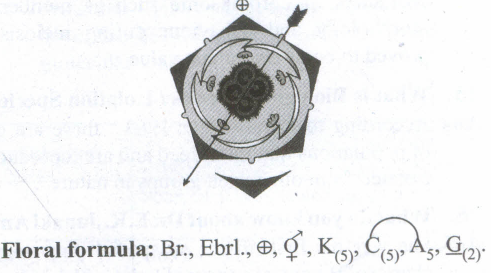
Draw the floral diagram and write the floral formula of Datura Metal.
69.
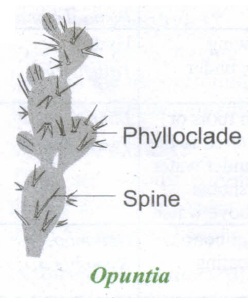
Draw a phylloclade and label the parts?
70.
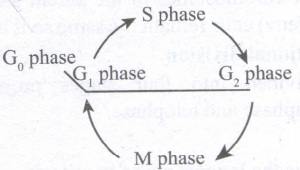
Which is the stage where replication takes place?
71.
Differentiate between aggregate fruit with multiple fruit.
72.
73.
Given an account of G0 phase.
74.
Differentiate between mitosis and meiosis.
75.
Do you think shape of chloroplast is unique for algae? Justify your answer.
76.
Grasses have an adaptive mechanism to compensate photorespiratory losses. Name and describe the mechanism.
77.
78.
Concept Mapping - Use the following terms to create a concept map that shows the major characteristic features of the phylum nematoda:
Round worms, pseudocoelomates, digestive tract, cuticle, parasite, sexual dimorphism.
79.
80.
What is the role of national gardens in conserving biodiversity - Discuss.
81.
82.
Why is that in certain plants deficiency symptoms appear first in younger parts of the plants while in others, they do so in mature organs?
83.
The nitrogen is present in the atmosphere in huge amount but higher plants fail to utilize it. Why?
84.
85.
Write about the objectives of animal breeding.
86.
Give the economic importance of prawn fishery
87.
Why is pneumonia considered a dangerous disease?
88.
How the body make long term adjustments when living in high altitude.
89.
Which part of the autonomic nervous system is involved in micturition process?
90.
Name the three filtration barriers that solutes must come across as they move from plasma to the lumen of Bowman's capsule. What components of the blood are usually excluded by these layers?
91.
Bile juice contains no digestive enzymes, yet it is important for digestion. Why?
92.
What is called mandibulate or orthopterus type of mouth parts?
93.
94.
Head of cockroach is called hypognathous. Why?
95.
96.
Succus entericus
97.
Lysozyme
98.
Mucus
99.
Nuclease
100.
Diarrhoea
101.
Jaundice
102.
Constipation
103.
Vomiting
104.
B12 Cobalamine
105.
B6 Pyridoxine
106.
B5 Niacin
107.
B1 Thiamine
108.
Bartholin's duct
109.
Piles
110.
Peptic cells
111.
Parietal
112.
Intestinal juice
113.
Protein
114.
Fats
115.
Carbohydrates
116.
Peptic ulcer
117.
Gall stone
118.
Liver cirrhosis
119.
Jaundice
1.
1. Headaches are common, but if its occur with fever, we must see doctor for a proper diagnosis.
2. The combination of a fever and a head ache may be a sign of a serious infection, that is localized to your brain or spinal cord, which forms central nervous system.
3. Some examples of central nervous system infections are meningitis, encephalitis or brain abscess.
4. Medical equipment can be used for it is EEG - Electroencephalogram.
2.
1. Generally heart rate is low when resting. It's a sign of good health.
2. When it is too low the condition is called bradycardia.
3. Normally, the heart beats 60 to 100 times a minute when you are at rest.
4. But with bradycardia, it goes down to less than 60 beats a minute.
3.
1. A typical stethoscope consists of a disc shaped resonator that is placed against chest with two rubber tubes connected to earpieces.
2. This is simply known as binaural stethoscope.
3. It is a simple but an effective diagnostic tool to localize problems and to diagnose diseases.
4.
1.They are the fine hairs and wax producing sebaseous glands called ceruminous glands in the external auditory meatus.
2. The combination of hair and the ear wax helps in preventing dust and foreign particles from entering the ear.
3. Sebum contains a variety of different lipids, including cholesterol, glycerides, fatty acids, and wax, but the exact composition of sebum varies with a person's age.
5.
1. It is the inflammation of the vermiform appendix, leading to severe abdominal pain.
2. The treatment involves the removal of appendix by surgery.
3. If treatment is delayed the appendix may rupture and results in infection of the abdomen, called peritonitis.
6.
In a monocot leaf each vascular bundle is surrounded by a parenchymatous bundle sheath. The cells of the bundle sheath generally contain starch grains. In C4 grasses, the bundle sheath cells are living and involve in C4 photosynthesis. This sheath is called Kranz sheath
7.
(i) Textile fibres
(a) surface fibres - Eg: Cotton
(b) Soft fibres - Eg: Flax
(c) Hard fibres - Eg: Coconut
(ii) Brush fibre
(iii) Rough weaving fibres
(iv) Paper making fibres
(v) Filling fibres
8.
lnternal Factors:
1. Genes are intracellular factors for growth.
2. Phytohormones are intracellular factors for growth. Example: auxin, gibberellin, cytokinin, etc.
3. C/N Ratio: The ratio of carbohydrates and nitrogenous compounds regulate the specific pattern of growth in plants
9.
Stages in Growth rate:
The total period from initial to the final stage of growth is called the grand period of growth. The total growth is plotted against time and 'S' shaped sigmoid curve (Grand period curve) is obtained. It consists of four phases. They are:
I) Lag phase
2) Log phase
3) Decelerating phase
4) Maturation phase
10.
1) During photosynthesis oxygen is evolved from water.
2) Electrons for the reduction of CO2 are obtained from water.
3) Reduced substance produced, later helps to reduce CO2
2H20+ 2A\(\rightarrow\)AH2+O2
11.
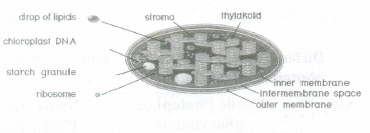
12.
It is a process in Nitrogen cycle. Nitrates in the soil are converted back into atmospheric nitrogen by a process called denitrification. Bacteria involved in this process are Pseudomonas,Thiobacillus and Bacillus subtilis.
Nitrate
\(\underset { \left( { No }_{ 3 }^{ - } \right) }{ Nitrate } \overset { Pseudomons }{ \longrightarrow } \underset { \left( { N }_{ 2 } \right) }{ Molecular Nirogen } \)
13.
| Alcoholic fermentation | Lactic acid fermentation | |
| 1 | It providuces alcohol and releases CO2 from pyruvic acid. | It produces lactic acid and does not release CO2 from pyruvic acid. |
| 2 | It takes place in two steps | It takes place in single step. |
| 3 | It involves two enzymes, pyruvate decarboxylase with Mg++ and alcohol dehydrogenase. | It uses one enzyme, lactate dehydrogenase with Zn++. |
| 4 | It forms acetaldehyde as intermediate compound. | Does not form any intermediate compound. |
| 5 | It commonly occurs in yeast. | Occurs in bacteria, some fungi and vertebrate muscles. |
14.
Amon and Stout gave criteria required for essential minerals:
1. Elements necessary for growthand development.
2. They should have direct role in the metabolism of the plant.
3. It cannot be replaced by other elements.
15.
| S.No | Active Absorption | Passive absorption |
| 1. | Active absorption takes place by the activity of root and root hairs. |
The pressure for absorption is not developed in roots and hence roots play a passive role. |
| 2. | Transpiration has no effect on active absorption. | Absorption is regulated by transpiration. |
| 3. | The root hairs have high DPD as compared to soil solution and therefore water is taken by tension. |
The absorption occurs due to tension created in xylem sap by transpiration pull, thus water is sucked in by the tension. |
| 4. | Respiratory energy needed | Respiratory energy is not required. |
| 5. | It involves symplastic movement of water. | Both symplast and apoplast movement of water involved. |
16.
1. ROQ tpressure is totally-absent in gymnosperms, which includes some of the tallest plants.
2. Ascent of sap continues even in the absence of roots
3. The magnitude of root pressure is about 2atm, which can raise the water level up to few feet only, whereas the tallest trees are more than 100m high.
17.
| S.No | Floating respiration | Protoplasmic Respiration |
| 1 | When carbohydrate or fat or organic acid serves as respiratory substrate it is called floating respiration |
Respiration utilizing protein as a respiratory substrate, is called protoplasmic respiration. |
| 2 | It does not produce any toxic product | It liberates toxic ammonia. |
18.
| Secondary Growth in Dicot Stem | Secondary Growth in Root | |
| 1. | The cambial ring formed is circular in cross section from the beginning. | The cambial ring formed is wavy in the beginning and later becomes circular. |
| 2. | The cambial ring is partially primary (fascicular cambium)and partially secondary (Interfascicular cambium) in origin. | The cambial ring is completely secondary in origin. |
| 3. | Generally, periderm originates from the cortical cells (extrastelar in origin). | Generally, periderm originates from the pericyle. (intrastelar in origin) |
| 4. | More amount of cork is produced as stem is above the ground | Generally, less amount of cork is produced as root is underground. |
| 5. | Lenticels of periderm are prominent. | Lenticels of periderm are not very prominent. |
19.
| Vascular cambium | Cork cambium | |
| 1. | Also called cambium | Also called phellogen |
| 2. | It arises from procambium and interfascicular parenchyma in stems and from conjunctive parenchyma in roots | It arises from epidermis, cortex, phloem, or pericyle in both stems and roots |
| 3. | It comprises long fusiform and short ray initials. | It comprises of homogenous cells. |
| 4. | It produces secondary phloem towards the outer side and secondary xylem towards inner side. | It produces phellem( cork) towards outer side and phellodenn (secondary cortex) towards inner side. |
20.
EEG - Electroencephalogram
1.EEG is a test to evaluate the electrical activitiesof the brain.
2. Brain cells communicate with each other through electrical impulses
3.EEG tracks and records the brain wave patterns.
4.It is a graphical recording of the electrical activities of the cortical and sub cortical regions of the brain.
5.It is recorded by placing the surface electrodes on the scalp region.
6.The electrodes analyse the electrical impulses in the brain and send signals to a computer which records the results.
7.In 1929 Germen scientist Hans Berger was the first to analyse the EEG. Hence, EEG is also known as "Berger Wave".
8.The electrical activity recorded by EEG may have synchronised or desynchronised waves. Has frequency waves! rhythms namely alpha, beta, delta and theta waves.
21.
(i) Animals exclusively live in marine.
(ii) They lead burrowing mode of life.
(iii) They resemble fishes.
(iv) Presence of notochord, dorsal tubular nerve cord and pharyngeal gill slits are persistant.
(v) Closed circulatory system is found lacking of heart.
(vi) Protonephridia aid in excretion.
(vii) Unisexual and fertilization is external.
(viii) Development is indirect.
Eg: Branchio stoma (Amphioxus or Lancelet).
22.
Pancreas: The second largest gland in the digestive system is the Pancreas, which is a yellow coloured, compound elongated organ consisting of exocrine and endocrine cells. It is situated between the limbs of the 'U' shaped duodenum. The exocrine portion secretes pancreatic juice containing enzymes such as pancreatic amylase, trypsin and pancreatic lipase and the endocrine part called Islets of Langerhans secretes hormones such as insulin and glucagon. The pancreatic duct directly opens into the duodenum.
23.
Assigning nomenclature or scientific name to organisms have advantages,
(i) They are universally accepted.
(ii) Each organism has unique nomenclature.
(iii) It avoids confusion in naming the organisms.
24.
| Family | Order | |
| 1 | Family is a group of related genera | Order is a group of related families |
| 2 | It is the lower taxon e.g. felidae | It is the higher taxon e.g. Carnivora |
25.
Though born to same parents, siblings show dissimilarities and variation due to the crossing over and recombination of chromosomes during meiosis.
26.
Chloroplast, the genes are matK and rbc.
27.
Aloe and Agave are Xerophytes. They develop fleshy and swollen leaves. These succulent leaves store water, mucilage and food. They also resist desiccation.
28.
Zoospores, aplanospores, autospores, hypnospores, tetraspores and akinetes.
29.
Fission, fragmentation, budding, bulbils, tubers.
30.
| 1. Marginal (i) It is with the placentae along the margin of a unicarpellate ovary. (ii) Eg: Fabaceae. |
4. Axile (i) The placentae arises from the column in a compound ovary with septa. (ii) Eg: Hibiscus, tomato lemon |
| 2. Superficial (i) Ovules arise from the surface of the septa. (ii) Eg: Nymphaeaceae |
5. Parietal (i) It is the placentae on the ovary walls or upon intruding partitions of a unilocular, compound Ovary. (ii) Eg: Mustard, Argemone, cucumber. |
| 3. Free-central (i) It is with the placentae along the column in a compound ovary without septa. (ii) Eg: Caryophyllaceae, Dianthus, Primrose |
6. Basal (i) It is the placenta at the base of the ovary. (ii) Eg: Sunflower(Asteraceae) Marigold |
31.
These are esters formed between a long chain alcohol and saturated fatty acids.
Fur, feathers, fruits, leaves, skin and insect exoskeleton are naturally waterproofed with a coating of wax
32.
Floriculture is a branch of Horticulture. It deals with the cultivation of flowers and ornamental crops. The Government of India has identified floriculture as a sunrise industry and accorded the status of 100% export oriented. Agriculture and Processed food product Export Development Authority (APEDA) is responsible for export promotion of agricultural and horticultural products from India.
33.
Endocytosis:
During endocytosis the cell wraps the cell surface membrane around the material and brings it into cytoplasm inside a vesicle. There are two types of endocytosis:
1. Phagocytosis - Particle is engulfed by membrane, which folds around it and forms a vesicle. The enzymes digest the material and products are absorbed by cytoplasm.
2. Pinocytosis - Fluid droplets are engulfed by membrane, which forms vesicles around them. Exocytosis: Vesicles fuse with plasma membrane and eject contents. This passage of material out of the cell is known as exocytosis. This material may be a secretion in the case of digestive enzymes; hormones or mucus.
34.
Corti first observed protoplasm. Felix Dujardin (1835) observed a living juice in animal cell and called it "Sarcode". Purkinje (1839) coined the term protoplasm for sap inside a plant cell. Hugo Van Mohl (1846) indicated importance of protoplasm. Max Schultze (1861) established similarity between Protoplasm and Sarcode and proposed a theory which later on called "Protoplasm Theory" by O. Hertwig (1892). Huxley (1868) proposed Protoplasm as a "physical basis of life".
35.
1. Zoospores: They are flagellate structures produced in zoosporangia (Example: Chytrids).
2. Conidia: The spores produced on condlophores (Example: Aspergillus)
3. Oidia/Thaliospores/Arthrospores: The hypha divide and develop into spores called oidia (Example: Erysiphe).
4. Fission: The vegetative cell divide into 2 daughter cells. (Example: chizosaccharomyces-yeast).
5. Budding: A small outgrowth is developed on parent cell, which gets detached and become independent. (Example: Saccharomyces-yeast)
6. Chlamydospore: Thick walled resting spores are called chlamydospores (Example: Fusarium).
36.
(i) Exchange of O2 and CO2 between atmosphere and blood.
(ii) The maintenance and regulation of homeostasis by body pH.
(iii) Protection from inhaled pathogens and pollutants.
(iv) Maintenance of vocal cords for normal communication or vocalization.
(v) Removal of heat from the tissues (or) cellular respiration of the body in the form of water vapour to protect the tissues from heat injury.
37.
The rate of reaction is directly proportional to the enzyme concentration.
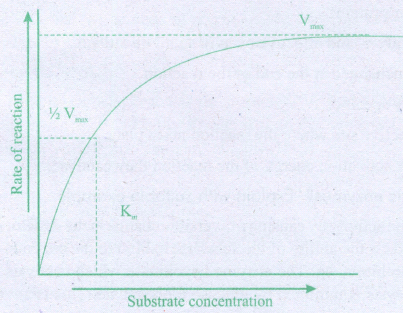
When the initial rate of reaction of an enzyme is measured over a range of substrate concentrations (with a fixed amount or-enzyme) and the results plotted on a graph. With increasing substrate concentration, the velocity increases - rapidly at lower substrate concentration.
38.
A stigma is a structure present at the tip of a pistil which receives the pollen grains.
(i) Discoid: A disk-shaped stigma is called discoid.
(ii) Capitate: Stigma appearing like ahead. ego Alchemilla.
(iii) Globose: Stigma is spherical in shape is called globose.
(iv) Plumose stigma: Stigma feathery which is unbranched or branched as in Asteraceae, Poaceae.
39.
1) Plants follow different pathways in response to environment or phases of life to form different kinds of structures. This ability is called plasticity.
2) Example: Heterophylly in cotton and coriander. In such plants, the leaves of the juvenile plant are different in shape from those in mature plants.
3) On the other hand, the difference in shapes of leaves produced in air and those produced in water in buttercup also represent the heterophyllous development due to the environment. This phenomenon ofheterophylly is an example of plasticity.
40.
(i) The log A will last longer for the merchant.
(ii) In any tree the outer part of the wood is pale in colour, is called Sap Wood, while the centre part is darker called Heart Wood.
(iii) Due to the presence of tyloses and their contents, the heartwood becomes coloured, dead and the hardest part of the wood.
(iv) The heartwood is more durable and more resistant to the attack of microorganisms and insects.
41.
Circadian Rhythm is the 24-hour cycle of biological activities associated with natural periods of light and darkness. Eg: Sleep wake cycle, body temperature, appetite etc.
When we travel across countries/continents with different time zones the circadian rhythm is disturbed and we suffer from sleeplessness, loss of appetite, headache etc. which is called Jetlag. After a day or two, the body regains its normal functioning.
42.
1. Cushing's syndrome is caused due to excess secretion of cortisol.
2. Obesity of the face and trunk, redness of face, hand, feet, thin skin, excessive hair growth, loss of minerals from bone (osteoporosis) systolic hypertension are features of Cushing's syndrome .
43.
Frontal lobe - Behaviour, Intelligence, Memory, Movement
Temporal lobe - Speech, Hearing, Memory
44.
1. Leakage Channels are ionic channels that remain open all the time
2. Ligand-gated Channels are chemically gated channels which open or close in response to chemical stimuli.
3. Voltage-gated Channels are mechanically gated channels which open in response to a physical stimulus in the form of vibration such as touch and pressure.
45.
A- Nucleus with nucleolus'
B- Myelin sheath
C- Dendrites
D- Nucleus
E- Schwann cell
F- Node of Ranvier
46.
47.
48.
1. Feed on zooplankton and phytoplankton, decaying weeds, debris and other aquatic plants.
2. Can tolerate O2 variations in water.
3. Can be transported from one place to other easily.
4. They are highly nutritive and palatable.
49.
| S.No | A-Band | I-Band |
|---|---|---|
| 1. | It consists of myosin filament | It consists of actin filament. |
| 2. | It has a dark appearance. | It has a light appearance. |
| 3. | It is a anisotropic band. | It is a isotropic band. |
50.
Cervical - 7 vertebrae
Thoracic - 12 vertebrae
Lumbar - 5 vertebrae
Sacrum - 5 fused vertebrae
Coccyx - 4 fused vertebrae
A total of 33 Vertebrae are present in vertebral column
51.
1 Lac cut from the host plant is called 'Stick lac'.
2. The lac present on the twig is scraped and collected.
3. After grinding, the unnecessary materials like dusts and fine particles are removed.
4. The resultant lac is called 'seed lac'.
5. The seed lac is sun dried and then melted to produce 'shellac'.
Uses:
1. It is used as sealing wax.
2. It is used as filling material for gold ornaments.
3. It is used in preparation of shoe and leather polishes.
52.
Isometric contraction (iso- same, metric-distance):
1. In isometric contraction the length of the muscle does not change but the tension of the muscle changes.
2. Here, the force produced is changed.
3. Example: Pushing against a wall, holding a heavy bag.
53.
Types of movement: The different types of movements that occur in the cells of our body are amoeboid, ciliary, flagellar and muscular movement.
1. Amoeboid movement:
Cells such as macrophages exhibit amoeboid movement for engulfing pathogens by pseudopodia formed by the streaming movement of the cytoplasm.
2. Ciliary movement:
This type of movement occurs in the respiratory passages and genital tracts which are lined by ciliated epithelial cells.
3. Flagellar movement:
This type of movement occurs in the cells which are having flagella or whip-like motile organelle. The sperm cells show flagellar movement.
4. Muscular movement:
The movement of hands, legs, jaws, tongue are caused by the contraction and relaxation of the muscle which is termed as the muscular movement.
54.
55.
1. In kidney transplantation, the donated kidney may be taken from a healthy person who is declared brain dead or from sibling or close relatives to minimise the chances of rejection by the immune system of the host.
2. Immunosuppressive drugs are usually administered to the patient to avoid tissue rejection in kidney transplantation.
56.
1. Lymphatic capillaries have greater permeability than blood capillaries and can absorb large molecules such as proteins and lipids.
2. The endothelial cells on the wall of the lymphatic capillary lack basement membrane and are loosely attached to each other which makes the wall more permeable.
57.
Mouth:
(i) In buccal cavity starch is hydrolysed by saliva.
(ii) The cooked starch (polysaccharide) is converted into a maltose (disaccharide) by salivary amylase or ptyalin.
Duodenum:
Pancreatic amylase converts starch (polysaccharide) into di and monosaccharides.
58.
Completely separated circuits have an important advantage. Different pressures are maintained in the pulmonary and systemic circulation
59.
1. They are eight finger like tubular blind processes called hepatic caecae found at the junction of foregut and midgut in digestive system of cockroach.
2. It acts as a digestive gland.
60.
There are usually two heart sounds they are
(i) 'lub' sound: It is the 1st sound produced by the closure of atrio ventricular valves (both tricuspid and bicuspid valves).
(ii) 'dub' sound: It is the 2nd sound produced by the closure of semilunar valves (both pulmonary aortic valves).
(iii) A 3rd abnormal sound may be produced with vibrations as "murmuring" under the dis-order of heart.
61.
1. These fibres never get fatigue.
2. Blood capillaries penetrate the cardiac muscle fibres, hence they have very rich blood supply.
3. These muscle fibres are supplied with both central and autonomic nervous system.
4. These muscle are not under the will of the animal.
62.
1. It is a type of cell junction found between epithelium and other tissues.
2. They facilitate the cells to communicate with each other by connecting the cytoplasm of adjoining cells for rapid transfer of ions, small molecules and sometimes big molecules.
63.
64.
a) Cockroach -Chitinous outer covering exoskeleton
b) Human being - Epidermal hair, nails
c) Garden lizard - Epidermal scales
d) Snail - Calcareous Shell
e) Dog - Epidermal hair, nails, hoofs.
65.
1. Eucoelom or true coelom is a fluid-filled cavity that develops within the mesoderm and is lined by mesodermal epithelium called peritoneum.
2. Such animals with a true body cavity are called eucoelomates
3. Based on the mode of formation of coelom, the eucoelomates are classified into two types,
i) Schizocoelomate animals - In these animals the body cavity is formed by splitting of mesoderm. Eg: Annelids, Arthropods, Molluscs.
ii) Enterocoelomate animals - In these animals the body cavity is formed from the mesodermal pouches of archenteron. Eg: Echinoderms, hemichordates and chordates.
66.
(i) This family consists of more than one species in the genus it is known as polytypic genus.
(ii) Species are intrageneric
(iii) A single genus is Felis which has a number of closely related species.
(iv) Different species of a single genus show the same morphological characteristics but their behavior varies
(v) Eg: Felis domestica (Domestic cat)
Felis margarita (Jungle cat)
Felis silvestris (Wild cat)
67.
1. The Bacterial Chromosome is a single circular DNA molecule, tightly coiled and is not enclosed in a membrane as in Eukaryotes.
2. This genetic material is called Nucleoid or Genophore.
3. The DNA is not bound to histone proteins
68.
Floral Diagram of Datura Metal:
69.
70.
S phase
71.
| S.No. | Aggregate fruit | Multiple fruit |
| 1 | Aggregate fruits develop from a single fl ower having an apocarpous pistil. each of the free carpel develops into a simple fruitlet. A collection of simple fruitlets makes an Aggregate fruit. An individual ovary develops into a drupe, achene, follicle or berry | A Multiple or composite fruit develops from the whole infl orescence along with its peduncle on which they are borne |
| 2 | Eg: Polyalthia | Eg: Pineapple |
72.
73.
(i) Some cells exit G1 and enters a quiescent stage called G0, where the cell remains metabolically active without proliferation.
(ii) Cells can exist for long periods in G0 phase. In G0 cells cease growth with reduced rate of RNA and protein synthesis.
(iii) The G0 phase is not permanent. Mature neuron and skeletal muscle cell remain permanently in G0.
(iv) Many cells in animals remains in G0 unless called on to proliferate by appropriate growth factors or other extracellular signals. G0 cells are not dormant.
74.
Difference between Mitosis and Meiosis:
| S.No | Mitosis | Meiosis |
| 1. | One division | Two divisions |
| 2. | Number of Chromosomes remains the same | Number of Chromosomes is halved |
| 3. | Homologous Chromosomes line up separately on the metaphase plate | Homologous Chromosomes line up in pairs at the metaphase plate |
| 4. | Homologous Chromosome do not pair up | Homologous Chromosome pair up to form bivalent |
| 5. | Chiasmata do not form and crossing over never occurs | Chiasmata form and crossing over occurs |
| 6. | Daughter cells are genetically identical | Daughter cells are genetically different from the parent cells |
| 7. | Two daughter cells are formed | Four daughter cells are formed |
75.
Yes, the shape of chloroplast is unique for algae.
| S.No | Shapes | Examples |
| 1 | Cup shaped | Chlamydomonas |
| 2 | Discoid | Chara |
| 3 | Girdle shaped | Ulothrix |
| 4 | Reticulate | Oedogonium |
| 5 | Spiral | Spirogyra |
| 6 | Stellate | Zygnema |
| 7 | Plate like | Mougeotia/td> |
76.
(i) C4 cycle/Di - carboxylic acid pathway/ Di - carboxylation pathway is an adaptive mechanism.
(ii) It takes place in two phases. First phase takes place in stroma of mesophyll cells, where the CO2 acceptor molecule 3-Carbon compound, phosphoenol pyruvate (PEP) to form 4-carbon oxalo acetic acid (OAA). The first product is a 4-carbon and so it is named as C4 cycle. Oxalo acetic acid is a dicarboxylic acid and hence this cycle is also known as dicarboxylic acid pathway.
(iii) Carbondioxide fixation takes place in two places one in mesophyll and another in bundle sheath cell.
(iv) C4 plants requires 5 ATP and 2NADPH + H+ to fix one molecule of CO2.
Stage: I Mesophyll Cells
(i) Oxaloacetic acid (OAA) is converted into malic acid or aspartic acid and is transported to the bundle sheath cells through plasmodesmata.
Stage: II Bundle Sheath Cells
(i) Malic acid undergoes decarboxylation and produces a 3 carbon compound Pyruvic acid and CO2.
(ii) The released CO2 combines with RUBP and follows the calvin cycle and finally sugar is released to the phloem.
(iii) Pyruvic acid is transported to the mesophyll cells.
77.
78.
(i) Round worm (Ascaris): body is unsegmented, anterior and posterior ends are tapered, no circular muscles, body has 4 bundled musculature, intestinal worm spreads Ascariasis by contamination.
(ii) Pseudocoelomates: Coelom is filled by loosely arranged mesenchyme.
(iii) Digestive tract is reduced or absent.
(iv) Cuticle above the epidermis protects the animal from the effect of digestive juice of hosts.
(v) It is an endoparasite, living in jejunum and ileum of small intestine of human.
(vi) It exhibits sexual dimorphism
(vii) Male measures 9 cm long, its tail is curved and provided with the cloaca and a paired copulatory spicules.
(viii) Female measures 14 cm long, its tail is straight and provided with anus and excretory pore without copulatory spicules.
79.
80.
Role of Botanical Garden:
Botanical Gardens play the following important roles.
1. Gardens have a wide range of species and supply taxonomic material for botanical research.
2. It can integrate information of diverse fields like Anatomy, Embryology, Phytochemistry, Cytology, Physiology and Ecology.
3. Act as a conservation centre for diversity, rare and endangered species.
4. It offers annual list of available species and a free exchange of seeds.
5. Botanical garden gives information about method of propagation, sale of plant material to the general public.
81.
82.
This is due to the immobile nature of minerals, Eg: Calcium.
83.
(i) Yes. Nitrogen cannot be directly absorbed by plants but they are essential for normal growth and functioning of a plant. Hence they are fixed by bacteria and some fungi.
(ii) It can be utilised only in the form of nitrates (NO3-) and nitrites (NO2-).
84.
85.
(i) The improvement of growth rate
(ii) Enhancement of the production of milk, meat, egg, etc.
(iii) Increase of quality of animal products
(iv) Achievement of disease resistance
(v) Increase of reproductive ability
86.
Economic importance of prawn:
(i) Prawn is a very tasty proteinaceous food.
(ii) Economic growth can be achieved by prawn at a low cost.
(iii) It is profitable to cultivate prawns in fresh water at a low cost.
(iv) By Exporting prawns can also bring a lot of foreign currency to the country.
87.
Pneumonia is considered a dangerous disease because,
(i) It affects the respiratory system and causes shortness of breath. In severe cases it affects the oxygen, carbon dioxide exchange in the alveoli. This may lead to hypoxia (decrease of oxygen). Finally death also can happen.
(ii) Pneumonia causes cough and spread of infectious organism in air. This will lead to infection of other people nearby. Thus it will spread easily and affect many.
88.
Body makes long term adjustments when living in high altitude because in high altitudes the O2 content is low in atmosphere and by increasing more production of RBCs the adjustments of respiration are brought.
89.
Sensory neurons of the parasympathetic autonomic nervous system.
90.
1. Podocytes end in foot processes found in the openings between the foot processes (Filtration slits).
2. Malpighian body/renal corpuscle.
3. Blood cells like RBCs, WBCs and platelets.
91.
(i) Liver secretes bile without digestive enzymes.
(ii) Liver secretes bile with the bile salts like sodium taurocholate which serve as antibacterial agents.
(iii) Bile emulsifies and saponifies the fats.
Eg: Weak lipase present with bile in the stomach.
92.
(i) The appendages form mouth parts, which are of biting and chewing type. This is called mandibulate or orthopterus type.
(ii) So cockroach belong to mandibulata
(iii) This type of mouth part is called as the fundamental type as in human beings.
93.
94.
(i) The head is small, triangular and lies at right angle to the longitudinal axis of the body.
(ii) The mouth parts are directed downwards so it is hypognathous.
95.
96.
Intestine
97.
Saliva
98.
Goblet cells
99.
Goblet cells
100.
Abnormal frequency of bowel movement and reduced.
101.
Liver is affected and bile pigments deposited in the body
102.
Faeces retains in rectum
103.
Centre in medulla
104.
Pernicious anaemia
105.
Dermatitis
106.
Pellagra
107.
Pernicious anaemia
108.
Duct of rivinis
109.
Haemorrhoids
110.
Oxyntic cells
111.
Zymogen cells
112.
Succus entericus
113.
15% of energy
114.
35% of energy
115.
50% of energy
116.
Asprin
117.
Cholesterol
118.
Viruses
119.
Alcoholism

11th Standard Syllabus & Materials
11th Standard
TN 11th Tamil பீடு பெற நில் - செய்யுள் - காவடிச்சிந்து Important Questions And Answers Study Material - QB365 Set A
NEW11th Standard
TN 11th Tamil பீடு பெற நில் - உரைநடை - மலை இடப்பெயர்கள் : ஓர் ஆய்வு Important Questions And Answers Study Material - QB365 Set A
NEW11th Standard
TN 11th Tamil மாமழை போற்றுதும் - துணைப்பாடம் - யானை டாக்டர் Important Questions And Answers Study Material - QB365 Set A
NEW11th Standard
TN 11th Tamil மாமழை போற்றுதும் - செய்யுள் - ஐங்குறுநூறு Important Questions And Answers Study Material - QB365 Set A



Tamilnadu Stateboard 11th Standard Subjects

Maths

Commerce

Economics
Biology

Business Maths and Statistics

Accountancy

Computer Science

Physics

Chemistry
Maths
Biology
Economics
Physics
Chemistry

History
Business Maths and Statistics

Computer Science
Accountancy

Computer Applications
History
Computer Technology
Commerce
Computer Applications
Computer Technology

Tamil

English

French
Tamilnadu Stateboard Standards

