
 100% FREE ACCESS
11th Standard Syllabus & Materials
11th Standard
TN 11th Tamil இயற்கை வேளாண்மை,சுற்றுச்சூழல் -செய்யுள் - மனோன்மணீயம் Important Questions And Answers Study Material - QB365 Set A
NEW11th Standard
TN 11th Tamil என்னுயிர் என்பேன் -துணைப்பாடம் - இசைத்தமிழர் இருவர் Important Questions And Answers Study Material - QB365 Set A
NEW11th Standard
TN 11th Tamil மொழி கலை -செய்யுள் - ஒவ்வொரு புல்லையும் Important Questions And Answers Study Material - QB365 Set A
NEW11th Standard
TN 11th Tamil பீடு பெற நில் - இலக்கணம் - பகுபத உறுப்புகள் Important Questions And Answers Study Material - QB365 Set A
NEW11th Standard
TN 11th Tamil பீடு பெற நில் - துணைப்பாடம் - வாடிவாசல் Important Questions And Answers Study Material - QB365 Set A
NEW11th Standard
TN 11th Tamil பீடு பெற நில் - செய்யுள் - குறுந்தொகை Important Questions And Answers Study Material - QB365 Set A

Published on: 15/03/2019
+1 Public Exam March 2019 Important Creative 3 Mark Questions and Answers
Download Tamil Nadu 11th Standard Biology question papers, model tests, one-mark questions, important questions, and public exam papers in PDF format. Free study materials and answer keys for TN State Board students.
Questions + Answers key
Take MCQ Biology Test1.
Explain any three factors causing dormancy in seeds.
2.
What is S' State mechanism or water osxidising clock?
3.
4.
Differentiate Phellem and Phelloderm.
5.
Write the differences between vascular cambium and cork cambium?
6.
Explain the regulation of cardiac activity.
7.
Explain the respiratory system of frog.
8.
Write the general characters of the phylum cnidaria.
9.
Name few members of cyanobacteria which act as phycobiont in lichen thalli.
10.
What is vomiting?
11.
What is the function of the pyloric sphincter?
12.
What are the uses of food?
13.
Why do some people have curly hair?
14.
List out the properties of Water.
15.
Explain the classical taxonomical tools
16.
Distinguish between Family and Order
17.
What is phylogenetic classification or cladistics?
18.
Between Prokaryotes & Eukaryotes, which cell has a shorter cell division time.
19.
Define Kinetochore.
20.
Distinguish between rough endoplasmic reticulum and smooth Endoplasmic reticulum.
21.
List out the unique characters of a Eukaryotic cell.
22.
Explain briefly about Endomitosis.
23.
Write a note on Go phase.
24.
Differentiate between Monophyletic group and paraphyletic group.
25.
Point out the uses of molecular taxonomy.
26.
Classification is a essential part of biology - Justify.
27.
How the leaf hooks helps the Bignonia plant?
28.
Name the three distinct zones of root.
29.
Mention any three Pteridophytes and their economic value.
30.
List out any 3 significances of seed.
31.
What are the time duration of Cell Cycle?
32.
Describe cladistics.
33.
Discuss Class Dicotyledonae.
34.
Explain Monograph.
35.
Provide the significance of seeds.
36.
Write a note on Calyx. Mention the types of fusion.
37.
Write a note on Plant sex.
38.
Give a general account of Life Span.
39.
Differentiate between extracellular and intracellular enzymes.
40.
What is Floriculture ?
41.
What is Celluloses?
42.
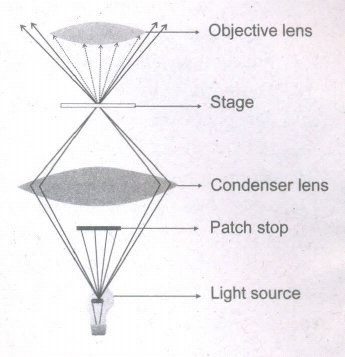
Write a short note on Dark Field Microscope
43.
Describe about Harmful activities of fungi.
44.
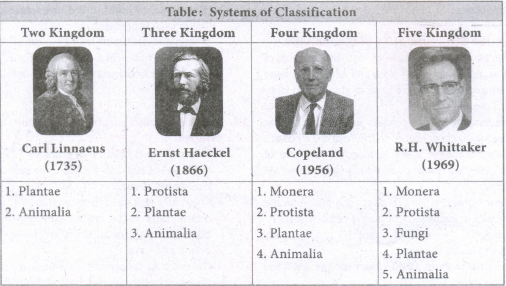
Classification of Living world.
45.
Describe Size and shape of viruses.
46.
Discuss the various types of Protostele.
47.
What is orthostatic hypotension.
48.
Write the functions of the following:
(i) Ctenidia
(ii) Ospharidiam.
49.
Differentiate frogs from toads.
50.
Give a short note on the nervous system of the earthworm.
51.
What is expiration?
52.
Explain the process of cytokinesis in plant cells.
53.
What are the points to be followed to draw a cladogram?
54.
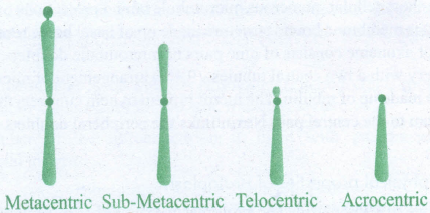
Explain the types of chromosomes based on the positon of centromere.
55.
Tabulate the time duration in hours of the different phases of cell cycle
56.
What is meant Rhizome? Give atleast three example.
57.
Define triglycerides. Explain with examples.
58.
Describe briefly about Viral genome.
59.
Differentiate extrinsic and intrinsic.
60.
Explain the different types of stigma with suitable example
61.
List out any three Economic importance of algae.
62.
List the function's of progesterone
63.
Mention the functions of frontal and temporal lobes of the Brain.
64.
Name the chambers of the cochlea.
65.
What is "all or none principle"?
66.
How are chicken breeds classified? Name them with an example.
67.
Major carps are best-suited fishes for culture in India. Give reasons.
68.
Differentiate pelvis of male and female
69.
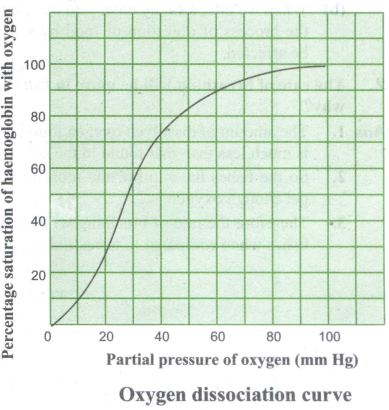
Draw an oxygen dissociation curve.
70.
71.
What is renal corpuscle?
72.
What is castle's intrinsic factor?
73.
Write a note on Chymotrypsin.
74.
What is the incomplete double circulation?
75.
What is cardiac output?
76.
Distinguish anal cerci and anal style.
77.
Distinguish between Neurons and Neuroglia
78.
Differentiate Tendons and Ligaments
79.
Name the excretory organs found in different animals (any four with examples).
80.
What is the difference in the blood of Annelids and Vertebrates?
81.
List four features common to all chordates
82.
What are stinging cells or nematocysts?
83.
What is systematics?
84.
What is genus? what are its types? Give examples.
85.
Discuss in detail about the Bacterial Chromosome.
86.
Mention the economic importance of lichens.
87.
Differentiate Dicot and Monocot seed.
88.
Define Umbel.
89.
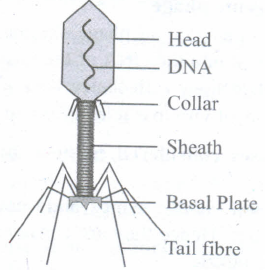
Draw a T4 bacteriophage and label the parts.
90.
What are the three main symmetries of viruses?
91.
Mention the potential applications of fungi in agriculture.
92.
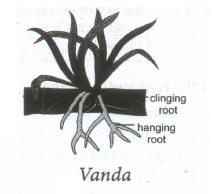
Draw an epiphyte and label the parts.
93.
What is Biological Species / Isolation Species?
94.
What is Sheathing leaf base?
95.
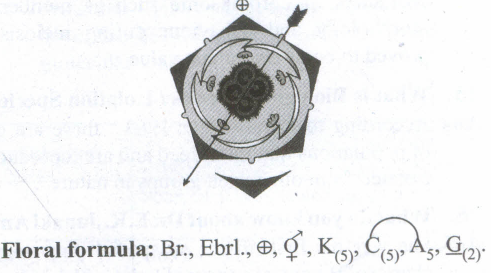
Draw the floral diagram and write the floral formula of Datura Metal.
96.
What is the need for cladistics?
97.
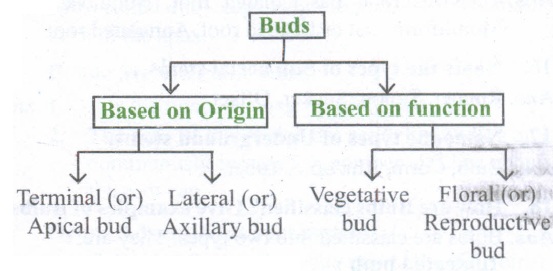
How are buds classified?
98.
How are Tap roots modified for storage?
99.
Differentiate Flagella of Bacteria and Eukaryotes.
100.
What are vernacular names (or) common name?
101.
What is binomial nomenclature?
102.
What are cilia?
103.
Define secondary magnification.
104.
Write down the functions of Golgi bodies.
105.
What is Glyoxysomes?
106.
How are Chromosomes classified based on the position of centromere?
107.
What is isoelectric point
108.
What are cholesterol?
109.
What is lock and key mechanism?
110.
What is Mitogen?
111.
What do you understand by interphase?
112.
Mention three salient features of Brown algae.
113.
What is gingivitis?
114.
Where is vermiform appendix? Write a brief account on it?
115.
Differentiate between Frog and Toad.
116.
What is Viroid?
117.
Give a brief account on diarrhoea.
1.
Factors causing dormancy of seeds:
1. Hard though seed coat causes barrier effect as impermeability of water, gas and restriction of the expansion of embryo prevents seed germination.
2. Many species of seeds produce imperfectly developed embryos called rudimentary embryos which promotes dormancy.
3. Lack of specific light requirement leads to seed dormancy.
2.
1) In light reaction of photosynthesis, Photolysis of water is due to strong oxidant which is yet unknown and designated as Z or Yz. Widely accepted theory proposed by Kok et al., (1970) explaining photo oxidation of water is Water Oxidising Clock (Or) S' State Mechanism.
2) It consists of a series of 5 states called as So,S1, S2,S3 and S4. Each state acquires positive charge by a photon (hv) and after the S4 state it acquires 4 positive charges, four electrons and evolution of oxygen. Two molecules of Water go back to the So. At the end of photolysis 4 H+, 4 e- and 02 are evolved from water.
3.
4.
| Phellem (Cork) | Phelloderm (Secondary cortex) | |
| 1. | It is formed on the outer side of phellogen. | It is fonned on the inner side of phellogen. |
| 2. | Cells are compactly arranged in regular tires and rows without intercellular spaces. | Cells are loosely arranged with intercellular spaces. |
| 3. | Protective in function. | As it contains chloroplast, it synthesises and stores food. |
| 4. | Consists of non-living cells with suberized walls. | Consists of living cells, parenchymatous in nature and does not have suberin. |
| 5. | Lenticels are present | Lenticels are absent |
5.
| Vascular cambium | Cork cambium |
| 1. Also called cambium | Also called phellogen |
| 2. It comprises long fusiform and short ray initials. | It comprises of homogenous cells. |
| 3. It produces secondary phloem towards the outer side and secondary xylem towards inner side. | It produces phellem (cork) towards outer side and phelloderm (secondary cortex) towards inner side. |
6.
The type of heart in human is myogenic because the heart beat originates from the muscles of the heart. The nervous and endocrine systems work together with paracrine signals (metabolic activity) to influence the diameter of the arterioles and alter the blood flow. The neuronal control is achieved through autonomic nervous system (sympathetic and parasympathetic). Sympathetic neurons release nor-epinephrine and adrenal medulla releases epinephrine. The two hormones bind to \(\beta\) - adrenergic receptors and increase the heart rate. The parasympathetic neurons secrete acetylcholine that binds to muscarinic receptors and decreases the heart beat. Vasopressin and angiotensin II, involved in the regulation of the kidneys, results in vasoconstriction while natriuretic peptide promotes vasodilation. Vagus nerve is a parasympathetic nerve that supplies the atrium especially the SA and the AV nodes.
7.
(i) Frog respires on land (terrestrial and pulmonary) and in water (aquatic) by lungs and wet or moist skin respectively.
(ii) Respiration in water by wet skin is cutaneous repiration.
(iii) O₂ dissolved in water diffuse in to the skin of frog and CO₂ from frog is released into water by diffusion, thus gaseous exchange occurs through skin.
(iv) On land the buccal cavity, skin and lungs are respiratory in function.
(a) Buccal or buccopharyngeal
(i) Respiration:- on land the mouth remains permanently closed but the nostrils remain open.
(ii) The floor of the buccal cavity is alternately raised and lowered, so air is drawn into and expelled out of the buccal cavity repeatedly through the open nostrils.
(b) Pulmonary respiration
(i) A paired elongated pink coloured sac like structures is found in the upper part of the trunk region (thorax).
(ii) Air enters through the nostrils into buccal cavity and reaches the lungs through the laryngo tracheal chamber (due to this frog has no neck).
(iii) Respiration by skin occurs when frog is in water and frog undergoes aestivation (summer rest) and hibernation (winter rest).
(iii) It is closed type.
8.
1.The cnidaria is aquatic, radially symmetrical, and diploblastic.
2. The tentacles have stinging cells called cnidocytes or cnidoblasts or nematocysts.
3. They exhibit tissue level of organization.
4. They have a central gastrovascular cavity called coelenteron.
5. Digestion is both extracellular and intracellular.
6. Alternation of generation is seen in cnidarians which have polyp and medusa forms.
7. Development is indirect with planula larva e.g. Physalia.
9.
Gloeocapsa, Nostoc and Scytonema.
10.
It is reverse peristalsis. Harmful substances and contaminated food from stomach are ejected through the mouth. This action is controlled by the vomit centre located in the medulla oblongata. A feeling of nausea precedes vomiting.
11.
The opening of the stomach into the duodenum is guarded by the pyloric sphincter. It periodically allows partially digested food to enter the duodenum and also prevents regurgitation of food.
12.
The food we eat provides energy and organic substances for growth and the replacement of worn out and damaged tissues. It regulates and coordinates the various activities that take place in the body
13.
Human hair is made of protein. The more the distance between the sulphur atoms, the more the proteins bend; the more the hair curls.
14.
Properties of Water
(i) Adhesion and cohesion property
(ii) High latent heat of vapori sation
(iii) High melting and boiling point
(iv) Universal solvent
(v) Specific heat capacity
15.
Taxonomical tools are the tools for the study of classification of organisms. They include- Taxonomical keys: Keys are based on comparative analysis of the similarities and dissimilarities of organisms. There are separate keys for different taxonomic categories. Museum: Biological Museums have collection of preserved plants and animals for study and ready reference. Specimens of both extinct and living organisms can be studied.
Zoological parks: These are places where wild animals are kept in protected environments under human care. It enables us to study their food habits and behaviour. Marine parks: Marine organisms are maintained in protected environments. Printed taxonomical tools: It consists of identification cards, description, field guides and manuals.
16.
| Family | Order | |
| 1 | Family is a group of related genera | Order is a group of related families |
| 2 | It is the lower taxon e.g. felidae | It is the higher taxon e.g. Carnivora |
17.
The classification of organisms based on evolutionary and genetic relationship among them is known as phylogenetic classification.
18.
Prokaryotes like bacteria undergo simple form of cell division called binary fission which will get completed with in a hour. where as Eukaryotic cell division (mitosis) takes nearly 24 hours to get completed. Hence Prokaryotes have shorter cell division time
19.
The centromere contains a complex system of protein fibres called kinetochore. Kinetochore is the region of chromosome which is attached to the spindle fibre during mitosis.
20.
| RER | SER | |
| a | Ribosomes are present in the outer surface of membrane |
Ribosomes are absent on the membrane |
| b | It is involved in protein synthesis | It is involved in lipid synthesis |
21.
Eukaryotes have true nucleus. The DNA is associated with protein bound histones forming the chromosomes. Membrane bound organelles are present.
22.
The replication of chromosomes in the absence of nuclear division and cytoplasmic division resulting in numerous copies within each cell is called endomitosis. Chromonema do not separate to form chromosomes, but remain closely associated with each other. Nuclear membrane does not rupture. So no spindle formation. It occurs notably in the salivary glands of Drosophila and other flies. Cells in these tissues contain giant chromosomes (polyteny), each consisting of over thousands of intimately associated, or synapsed, chromatids. Example: Polytene chromosome.
23.
Some cells exit G1 and enters a quiescent stage called G0 , where the cells remain metabolically active without proliferation. Cells can exist for long periods in G0 phase. In G0 cells cease growth with reduced rate of RNA and protein synthesis. The G0 phase is not permanent. Mature neuron and skeletal muscle cell remain permanently in G0. Many cells in animals remains in G0 unless called on to proliferate by appropriate growth factors or other extracellular signals. G0 cells are not dormant.
24.
| Monophyletic Group | Paraphyletic Group |
| Taxa comprising all the descendants of a common ancestor | Taxon that includes an ancestor but not all of the descendants of that ancestor. |
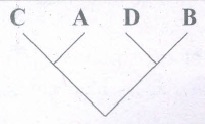 |
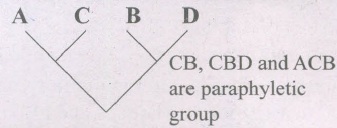 |
25.
1.Molecular taxonomy helps in establishing the relationship of different plant groups at DNA level.
2. It unlocks the treasure chest of information on evolutionary history of organisms.
26.
Classification is essential to biology because there is a vast diversity of organisms to sort out and compare. Unless they are organized into manageable categories it will be difficult for identification
27.
In cat, s nail (Bignonia unguiscati) an elegant climber, the terminal leaflets become modified into three, very sharp, stiff and curved hooks, very much like the nails of a cat. These hooks. cling to the bark of a tree and act as organs of support for climbing.
28.
1. Meristematic Zone
2. Zone of Elongation
3. Zone of Maturation
29.
Economic importance of Pteridophyte
| S.no | Pteridophyte | Uses |
| 1 | Marsilea | Food |
| 2 | Azolla | Biofertilizer |
| 3 | Pteris vittata | Removal of heavy metals from soils - Bioremediation |
30.
1. The seed encloses and protects the embryo for next generation.
2. Seeds of various plants are used as food, both for animals and human.
3. Seeds are the products of sexual reproduction so they provide genetic variations and recombination in a plant.
31.
Different kinds of cells have varied duration for cell cycle phases. Eukaryotic cell divides every 24 hours. The cell cycle is divided into mitosis and interphase. In cell cycle 95% is spent for interphase whereas the mitosis and cytokinesis last only for an hour.
| Phase | Time duration (in hrs) |
| G1 | 11 |
| S | 8 |
| G2 | 4 |
| M | 1 |
32.
1. Analysis of the taxonomic data, and the types of characters that are used in classification have changed from time to time.
2. Plants have been classified based on the morphology before the advancement of microscopes, which help in the inclusions of sub microscopic and microscopic features.
3. A closer study is necessary while classifying closely related plants. Discovery of new finer molecular analytical techniques coupled with advanced software and computers has ushered in a new era of modern or phylogenetic classification.
4. The method of classifying organisms into monophyletic group of a common ancestor based on shared apomorphic characters is called cladistics (from Greek, klados-branch).
5. The outcome of a cladistic analysis is a cladogram, a tree-shaped diagram that represent the best hypothesis of phylogenetic relationships.
6. Earlier generated cladograms were largely on the basis of morphological characters, but now genetic sequencing data and computational softwares are commonly used in phylogenetic analysis.
33.
1. Plants contain two cotyledons in their seed, leaves with reticulate venation, tap root system and tetramerous or pentamerous flowers come under this class. It includes three sub-classes - Polypetalae, Gamopetalae and Monochlamydeae.
2. Describe about Sub-class Polypetalae.
3. Plants with free petals and dichlamydeous flowers come under polypetalae. It is further divided into three series - Thalamiflorae, Disciflorae and Calyciflorae.
4. Classify three series in polypetalae.
5.Series (i) Thalamiflorae: Plants having flowers with dome or conical shaped thalamus and superior ovary are included in this series. It includes 6 orders and 34 families.
6.Series (ii) Disciflorae: Flowers having prominent disc shaped thalamus with superior ovary come under this series. It includes 4 orders and 23 families.
7.Series (iii) Calyciflorae: It includes plants -having flowers with cup shaped thalamus and with inferior or sometimes with half inferior ovary. calyciflorae includes 5 orders and 27 families.
8. Plants with united petals, which are either partiallyor completely fused to one another and_di chlamydeous are placed under Gamopetalae. it is further divided into three series - Inferae, He eromerae and Bicarpelfatae.
9.Series (i) Inferae: The flowers are epigynou and with inferior ovary. Inferae includes 3 orde and 9 families.
10.Series(ii) Heteromerae: The flowers are hypogynous, superior ovary and with more than two carps Heteromerae includes 3 orders and 12 families.
11.Series (iii) Bicarpellatae: The flowers are hypogynous, superior ovary and with two carpels. Bicarpellatae includes 4 orders and 24 families.
12. Plants with incomplete flowers either apetalous or with undifferentiated calyx and corolla are placed under Monochlamydeae.
13. The sepals and petals are not distinguished and they are called perianth. Sometimes both the whorls are absent.
14. Monochlamydeae includes 8 series and 36 families.
34.
1. A Monograph is a complete global account of a taxon of any rank -family, genus or species at a given time.
2.This includes the existing taxonomic knowledge and all relevant information about the 1 group concerned such as Anatomy, Biochemistry, Palynology, chromosome number and phylogeny. It also 1 includes extensive literature review, all nomenclatural information, identification key to all taxa, citation of I specimens examined and distribution map.
Example: The Family Lentibulariaceae by M.K Janarthanam and A.N. Henry
35.
1. The seed encloses and protects the embryo for next generation.
2. It contains food for the development of embryo.
3. It is a means for the dispersal of new individuals of the species.
4. A seed is a means for perpetuation of the species. It may lie dormant during unfavourable conditions but germinates on getting suitable conditions.
5. Seeds of various plants are used as food, both for animals and men.
6. They are the basis of agriculture.
7. Seeds are the products of sexual reproduction so they provide genetic variations and recombinationin a plant.
36.
Calyxprotects the flower in bud stage. Outermost whorl of flower is calyx. Unit of calyx is sepal.
Normally green in colour.
1. Fusion:
a. Aposepalous (polysepalous or chorisepalous): The flower with distinct sepals. Example: Brassica, Annona.
b. Synsepalous: The flower with United or fused sepals. Example: Hibiscus, Datura. What is the green part of brinjal fruit? Have you seen similar to this in any other fruits?
2. Duration of floral parts:
a. Caducous or fugacious calyx: Calyx that withers or falls during the early development stage of flower. Example: Papaver.
b. Deciduous: Calyx that falls after the opening of flower (anthesis) Example: Nelumbo.
c. Persistant: Calyx that persists and continues to be along with the fruit and forms a cup at the
base of the fruit. Example: Brinjal.
d. Accresent: Calyx that is persistent, grows along with the fruit and encloses the fruit either completely or partially. Example: Physalis, Palmyra.
3. Shapes of calyx
37.
Plant sex refers to the presence and distribution of flowers with different sexes in an individual plant.
1. Hermaphroditic: All the flowers of the plant are bisexual.
2. Monoecious(mono-one; Oikos-house): Both male and female flowers are present in the same plant Example: Coconut.
3. Dioecious (di-two: Oikos-house): Male and Female flowers are present on separate plants. Example: Papaya, Palmyra.
4. Polygamous: The condition in which bisexual and unisexual (staminate/pistillate) flowers occur in a same plant is called polygamous. It is of several types. see box. Example: Musa, Mangifera.
38.
Based on life span plants are classified into 3 types. They are annual, biennial and perennial
Annual (Therophyte or Ephemerals).
A plant that completes its life cycle in one growing season. Example: Peas, maize, water melon, groundnut, sunflower, rice and so on.
Biennial.
A plant that lives for two seasons, growing vegetatively during the first season and flowering and fruiting during the second season. Example: Onion, Lettuce, Fennel, carrot, Radish, cabbage and Spinach. A plant that grows for many years that flowers and set fruits for several seasons during the life span is called perennial.
Perennial (Geophyte).
A plant that grows for many years that flowers and set fruits for several seasons during the life span. When they bear fruits every year, they are called polycarpic.
Example: mango, sapota, etc
Some plants produce flowers and fruits only once and die after a vegetative growth of several years. These plants are called monocarpic.
Example: Bamboo, Agave, Musa, Talipot palm.
39.
Enzymes can be extracellular enzyme as secreted and work externally exported from cells. Eg. digestive enzymes;
Intracellular enzymes that remain within cells and work there. These are found inside organelles or within cells. Eg. insulin
40.
Floriculture is a branch of Horticulture. It deals with the cultivation of flowers and ornamental crops. The Government of India has identified floriculture as a sunrise industry and accorded the status of 100% export oriented. Agriculture and Processed food product Export Development Authority (APEDA) is responsible for export promotion of agricultural and horticultural products from India.
41.
Cellulose is a structural polysaccharide made up of thousands of glucose units. In this case, \(\beta\)-glucose units are held together by 1,4 glycosidic linkage, forming long unbranched chains. Cellulose fibres are straight and uncoiled. It has many industrial uses which include cellulose fibres as cotton, nitrocellulose for explosives, cellulose acetate for fibres of multiple uses and cellophane for packing.
42.
The dark field microscope was discovered by Z. Sigmondy (1905). Here the field will be dark but object will be glistening so the appearance will be bright. A special effect in an ordinary microscope is brought about by means of a special component called 'Patch Stop Carrier'. It is fixed in metal ring of the condenser component. Patch stop is a small glass device which has a dark patch at centre of the disc leaving a small area along the margin through : which the light passes. The light passing through the; margin will travel oblique like a hollow cone and strikes the object in the periphery, therefore the specimen appears glistening in a dark background.
43.
1. Fungi like Amanita phalloides, Amanita verna, Boletus satanus are highly poisonous due to the production of Toxins.
2. These fungi are commonly referred as "Toad stools".
3. Aspergillus, Rhizopus, Mucor and Penicilium are involved in spoilage of food materials. Aspergillus flavus infest dried foods and produce carcinogenic toxin called aflatoxin.
4. Patulin, ochratoxin A are some of the toxins produced by fungi.
5. Fungi cause diseases in Human beings and Plants.
44.
A comparison of classification proposed for classification of living world
45.
1. Viruses are ultramicroscopic particles. They are smaller than bacteria and their diameter range from 20 to 300 nm (lnm = 10-9metres). Bacteriophage measures about 10-100 nm in size. The size of TMV is 300x20 nm.
2. Generally viruses are of three types based on shape and symmetry.
3. Cuboid symmetry - Example: Adenovirus, Herpes virus.
46.
(i) Inprotostelexylem surrounds phloem. The type includes Haplostele, Actinostele, Plectostele, and mixed protostele.
(ii) Haplostele: Xylem surrounded by phloem is known as haplostele. Example: Selaginella.
(ii) Actinostele: Star shaped xylem core is surrounded by phloem is known as actinostele . Example: Lycopodiumserratum.
(iii) Plectostele: Xylem plates alternates with phloem plates. Example: Lycopodiumclavatum.
(iv) Mixed prototostele: Xylem groups uniformly scattered in the phloem. Example: Lycopodiumcernuum.
47.
The primary reflex pathway for homeostatic control of mean arterial pressure is the baroreceptor reflex. The baroreceptor reflex functions every morning when you get out of bed. When you are lying flat the gravitational force is evenly distributed. When you stand up, gravity causes blood to pool in the lower extremities. The decrease in blood pressure upon standing is known as orthostatic hypotension.
48.
(i) Ctenidia: MandIe cavity has a number of feather like gills (ctenidia) are present, which are respiratory in function.
(ii) Ospharidiam: The anterior head regim of molluscs has ospharidium to test the purity of water and present in bivalves and gasropods.
49.
| Characters | Frog | Toad |
|---|---|---|
| Family | Ranidae | Bufonidae |
| Body Shape | Slender | Bulkier |
| Legs | Longer | Shorter |
| Webbed feet | Present | Absent |
| Skin | Smooth and moist skin | Dry Skin covered with wart like glands |
| teeth | Maxillary and vomerine teeth | Teeth absent |
| Egg formation | Lays eggs in clusters | Lays eggs in strings |
50.
The bilobed mass of nervous tissue called supra - pharyngeal ganglia, lies on the dorsal wall of the pharynx in the 3rd segment, is referred as the "brain". The ganglion found below the pharynx in the 4thseginent is called the sub-pharyngeal ganglion. The brain and the sub - pharyngeal ganglia are connected by a pair of circum-pharyngeal connectives. They run one on each side of the pharynx. Thus a nerve ring is formed around the anterior region of the alimentary canal. The double ventral nerve cord runs backward from the sub - pharyngeal ganglion. The brain along with other nerves in the ring integrates sensory inputs and command muscular responses of the body.
51.
Relaxation of the diaphragm allows the diaphragm and sternum to return to its dome shape and the internal intercostal muscles contract, pulling the ribs downward reducing the thoracic volume and pulmonary volume. This results in an increase in the intrapulmonary pressure slightly above the atmospheric pressure causing the expulsion of air from the lungs. This process is called expiration.
52.
Division of the cytoplasm often starts during telophase. In plants, cytokinesis cell plate grows from centre towards lateral walls - centrifugal manner of cell plate formation. Phragmoplast contains microtubules, actin filaments and vesicles from golgi apparatus and ER. The golgi vesicles contains carbohydrates such as pectin, hemicellulose which move along the microtubule of the pharagmoplast to the equator fuse, forming a new plasma membrance and the materials which are placed their becomes new cell wall. The first stage of cell wall construction is a line dividing the newly forming cells called a cell plate. The cell plate eventually stretches right across the cell forming the middle lamella. Cellulose builds up on each side of the middle lamella to form the cell walls of two new plant cells.
53.
Phylogenetic system of classification takes into account ancestral characters (traits of basic body design which would be in the entire group) and derived characters (traits whose structure and functions differ from those of ancestral characters). One or more derived characters which appeared during evolution resulted in the formation of new subspecies. In a cladogram each evolutionary step produces a branching and all the members of the branch would possess the derived character which will not be seen in organisms below the particular branch point. Arranging organisms on the basis of their similar or derived characters which differ from the ancestral characters produced a phylogenetic tree or cladogram.
54.
(i) Based oil the position of centromere, chromosomes are called telocentric (terminal centromere), Acrocentric (terminal centromere capped by telomere), Sub metacentric (centromere subterminal) and Metacentric (centromere median).
(ii) The eukaryotic chromosomes may be rod shaped (telocentric and acrocentric), L-shaped (sub-metacentric) and V-shaped (metacentric).
55.
| Phase | Time duration (in hrs) |
| G1 | 11 |
| S | 8 |
| G2 | 4 |
| M | 1 |
56.
This is a underground stem grows horizontally with several lateral growing tips. Rhizome posses conspiquous nodes and internodes covered by scale leaves. eg. Zingiber officinale, Canna, Curcuma longa, Maranta arundinacea, Nymphaea, Nelumbo.
57.
Triglycerides are composed of single molecule of glycerol bound to 3 fatty acids. These include fats and oils. Fatty acids are long chain hydrocarbons with a carboxyl group at one end which binds to one of the hydroxyl groups of glycerol, thus forming an ester bond. Fatty acids are structural unit of lipids and are carboxylic acid of long chain hydrocarbons. The hydrocarbon can vary in length from 4 - 24 carbons and the fat may be saturated or unsaturated. In saturated fatty acids the hydrocarbon chain is single bonded.
eg. Palmitic acid, Stearic acid and in unsaturated fatty acids.
eg. Oleic acid, linoleic acid) the hydrocarbon chain is double bonded (one/two/three). In general solid fats are saturated and oils are unsaturated, in which most are globules.
58.
(i) Each virus possesses only one type of nucleic acid either DNA or RNA. The nucleic acid may be in a linear or circular form.
(ii) Generally nucleic acid is present as a single unit but in'wound tumour virus and in influenza virus it is found in segments.
(iii) The viruses possessing DNA are called 'Deoxyviruses' whereas those possessing RNA are called 'Riboviruses'. Majority of animal and bacterial viruses are DNA viruses (HIV is the animal virus which possess RNA).
(iv) Plant viruses generally contain RNA(Cauliflower Mosaic virus possess DNA). The nucleic acids may be single stranded or double stranded. On the basis of nature of nucleic acid viruses are classified into four Categories. They are Viruses with ssDNA (Parvoviruses), dsDNA (Bacteriophages), ssRNA (TMV)and dsRNA(wound tumour virus).
59.
| Extrinsic | Intrinsic |
| Growth in the non-living objects is extrinsic. | Growth in living things is intrinsic. |
| Mountains, boulders and sand mounds grow by simple aggregation of material on the surface. | Living cells grow by the addition of new protoplasm with in the cells. |
60.
A stigma is a structure present at the tip of a pistil which receives the pollen grains.
(i) Discoid: A disk-shaped stigma is called discoid.
(ii) Capitate: Stigma appearing like ahead. ego Alchemilla.
(iii) Globose: Stigma is spherical in shape is called globose.
(iv) Plumose stigma: Stigma feathery which is unbranched or branched as in Asteraceae, Poaceae.
61.
(i) Agar Agar - cell wall material used for media preparation in the microbiology lab.
(ii) Packing canned food, cosmetic, textile paper industry.
(iii) Carrageenan - Preparation of tooth paste, paint, blood coagulant
(iv) Alginate - Ice cream, paints, flame proof fabrics.
62.
1. Progesterone prepares the uterus for implantation of the fertilized ovum.
2. It decreases the uterine contraction during pregnancy and stimulates the development of mammary glands and milk secretion.
3. It is responsible for premenstrual changes in the uterus and is essential for the formation of placenta.
63.
Frontal lobe - Behaviour, Intelligence, Memory, Movement
Temporal lobe - Speech, Hearing, Memory
64.
1. Scala vestibuli - Filled with perilymph.
2. Scala tympani - Filled with perilymph.
3. Scala media - Filled with endolymph.
65.
In transmission of impulses by a neuron, the action potential occurs in response to a threshold stimulus but does not occur at subthreshold stimuli. This is called all or none principle.
66.
They are classified based on the purpose for which it is farmed.
1. Egg layers - Eg: Leghorn
2. Broiler-type - Eg: White Plymouth rock
3. Dual purpose breed - Eg: Brahma
4. Game breed - Eg: Aseel
5. Ornamental breed - Eg: Silkie
67.
1. Feed on zooplankton and phytoplankton, decaying weeds, debris and other aquatic plants.
2. Can tolerate O2 variations in water.
3. Can be transported from one place to other easily.
4. They are highly nutritive and palatable.
68.
The pelvis of male is deep and narrow with larger heavier bones and the female is shallow, wide and flexible in nature, and this helps during pregnancy which is influenced by female hormones.
69.
70.
71.
The renal tubule begins with a double walled cup-shaped structure called the Bowman's capsule. which encloses a ball of capillaries that delivers fluid to the tubules, called the glomerulus. The Bowman's capsule and the glomerulus together constitute the renal corpuscle
72.
The parietal cells in the wall of the stomach secrete an intrinsic factor called castle's intrinsic factor. It is responsible for the absorption of vitamin B12.
73.
1. Chymotrypsin occurs in an inactive form called chymotrypsinogen which is activated by Trypsin.
2. Chymotrypsin hydrolyses peptide bonds associated with specific amino acid.
3. It is a pancreatic enzyme and is proteolytic in nature. It plays a role in the digestion of food in the duodenum.
74.
1. Amphibians have two auricles and one ventricle and no inter ventricular septum whereas reptiles except crocodiles have two auricles and one ventricle and an incomplete inter ventricular septum.
2. Thus mixing of oxygenated and deoxygenated blood takes place in the ventricles.
3. This type of circulation is called incomplete double circulation.
75.
1. The amount of blood pumped out by each ventricle per minute is called cardiac output(CO).
2. It is a product of heart rate (HR) and stroke volume (SV).
76.
| S.No | Anal cerci | Anal style |
| 1 | Paired, jointed filamentous structures. | Paired short and slender structures. |
| 2 | Present in male and female cockroach in 10th segment. | Present only in a male cockroach in the 9th sternum. |
| 3 | Acts as a sense organ and is receptive to vibrations in air and land. | This does not serve as a sense organ. |
77.
| Neuron | Neuroglia |
| 1. They have two types of process - axon and dendron | They have only one process |
| 2. They have synapse | Do not have synapse |
| 3. No power of division | Have power of division |
| 4. conduct nerve impulses. | They are nutritive and defensive in function and serve as packing cells. |
78.
| Tendons | Ligaments |
| 1. The Tendons are dense regular connective tissues which attach muscles to bones. | The ligaments are dense regular connective tissues which attach the bone at the joints. |
| 2. It is formed of white fibrous connective tissue. | It is formed of yellow elastic connective tissue. |
79.
| Excretory organ | Animal |
| 1. Flame cells /Solenocytes | Flatworms |
| 2. Nephridia | Annelids |
| 3. Malpighian tubules | Insects |
| 4. Kidneys | Vertebrates |
| 5. Green glands | Crustaceans |
80.
Haemoglobin is present in the plasma in Annelids. In vertebrates, haemoglobin is present in RBC
81.
1. All chordates possess a notochord.
2. All chordates possess a dorsal, hollow, nerve cord.
3. All chordates possess pharyngeal gill clefts in some stage of their life cycle.
4. Possess a post-anal tail.
82.
1. The name of phylum Cnidaria is derived from cnidocytes or cnidoblasts with stinging cells or nematocysts on tentacles.
2. Cnidoblasts are used for anchorage, defense, and to capture the prey.
83.
1. The main criteria of systematics is identifying, describing, naming, arranging, preserving and documenting the organisms.
2. Evolutionary history of the species and the environmental adaptations and interrelationship between species are also being investigated in systematics
84.
(i) It is a group of closely related species which have evolved from a common ancestor.
(ii) Types.
(a) Monotypic:
In some genus there is only one species.
Eg: Red Panda is the only species in the genus Ailurus: Ailurus fulgens.
(b) Polytypic:
There are more than one species in the genus
Eg: 'cats' come under the genus
Felis which has a number of closely related species like
Felis domestica (domestic cat)
Felis margarita (jungle cat)
Felis silvestris (wild cat)
85.
1. The Bacterial Chromosome is a single circular DNA molecule, tightly coiled and is not enclosed in a membrane as in Eukaryotes.
2. This genetic material is called Nucleoid or Genophore.
3. The DNA is not bound to histone proteins
86.
1. Lichens secrete organic acids like Oxalic acids which corrodes the rock surface and helps in weathering of rocks, acting as pioneers in Xerosere.
2. Lichens are sensitive to air pollutants and are considered as pollution indicators.
3. Cladonia rangiferina (Reindeer moss) is used as food for animals living in Tundra regions.
4. Usnic acid produced from lichens show antibiotic properties.
87.
| S.No | Dicot Seed | Monocot Seed |
| 1 | Dicotyledonous seeds have non-endospermic seed. | Monocotyledonous have endospermic seed. |
| 2 | The seed coat is not fused and is separate from the fruit wall | The seed coat is fused with the fruit wall (Pericarp). |
| 3 | Food is stored in two cotyledons. There is no endosperm. | Food is stored in the endosperm, which covers a large part of the seed. |
| 4 | Eg: Bean, Gram. | Eg: Rice, Wheat |
88.
1. An inflorescence with the indeterminate central axis and pedicellate flowers arise from the common point of the peduncle at the apex.
2. Compound umbel inflorescence is a branched umbel.
3. Each such umbel is called an umbellet.
4. Eg: Daucus carota (carrot).
89.
90.
Generally, viruses are of three types based on shape and symmetry
1. Cuboid symmetry - Eg: Adenovirus, Herpesvirus.
2. Helical symmetry - Eg: Influenza virus, TMV.
3. Complex or Atypical symmetry - Eg: Bacteriophage, Vaccinia virus.
91.
1. Mycorrhiza-forming fungi like Rhizophagus help in absorption of water and minerals.
2. Fungi like Beauveria bassiana are used as biopesticides to eradicate crop pests.
3. Gibberellin is a plant growth promoter produced by a fungus Gibberella fujikuroi.
92.
93.
According to Ernest Mayr 1963," these are groups of populations that interbreed and are reproductively isolated from other such groups in nature".
94.
In many monocot families such as Arecaceae, Musaceae, Zingiberaceae and Poaceae the leaf base extends into a sheath and clasps part or whole of the internode. Such leaf base also leaves permanent scars on the stem when they fall. Eg: Arecaceae.
95.
Floral Diagram of Datura Metal:
96.
Need for cladistics:
1. Cladistics is now the most commonly used and accepted method for creating phylogenetic system of classifications.
2. Cladistics produces a hypothesis about the relationship of organisms to predict the morphological characteristics of organism.
3. Cladistics helps to elucidate 'mechanism of evolution.
97.
98.
1. Conical Root: These are cone-like, broad at the base and gradually tapering towards the apex. Eg: Daucus carota.
2. Fusiform root: These roots are swollen in the middle and tapering towards both ends. Eg: Raphanus sativus
3. Napiform root: It is very broad and suddenly tapers like a tail at the apex. Eg: Beta vulgaris.
99.
| Bacteria | Eukaryotes | |
| 1. | Flagella are thin. | Flagella are thicker than bacterial flagella. |
| 2. |
The structure consists of a basal body associated with cytoplasmic membrane and cell wall with short hook and helical filament. |
It has outer nine pairs of microtubules with two microtubules in the centre (9 + 2 arrangement). |
100.
1. Vernacular names are known as Common names. They are very often descriptive and poetic references to plants.
2. Common names refer to more than one plant or many plants may have the same common name. These names are regional or local and are not universal.
3. Eg: Albizia amara L. belongs to Mimosaceae is called as Usilai in South Tamil nadu and Thurinji in North Tamil nadu.
101.
Binomial: Binomial nomenclature
1. Binomial nomenclature was first introduced by Gaspard Bauhin and it was implemented by Carolus Linnaeus.
2. Scientific name of a species consists of two words and according to binomial nomenclature, the first one is called genus name and second one is specific epithet.
3. Eg: Mangifera indica. Mangifera IS a genus name and indica is specific epithet.
102.
Cilia (plural) are short cellular, numerous microtubule bound projections of plasma membrane. Cilium (singular) is membrane bound structure made up of basal body, rootlets, basal plate and shaft.
103.
The second magnification of the microscope is obtained through eye piece lens called as secondary magnification and it is virtual and inverted image.
104.
Functions of Golgi bodies:
1. Glycoproteins and glycolipids are produced.
2. Transporting and storing lipids.
3. Formation of lysosomes.
4. Production of digestive enzymes.
5. Cell plate and cell wall formation.
6. Secretion of Carbohydrates for the formation of plant cell walls and insect cuticles.
7. Zymogen granules (proenzyme/precursor of all enzymes) are synthesised.
105.
1. Glyoxysome is a single-membrane-bound organelle.
2. It is a subcellular organelle and contains enzymes of glyoxylate pathway.
3. β-oxidation of fatty acid occurs in glyoxysomes of germinating seeds. Eg: Castor seeds.
106.
1. Telocentric (Terminal centromere).
2. Acrocentric (terminal centromere capped by Telomere).
3. Sub-metacentric (centromere subterminal).
4. Metacentric (centromere median).
107.
A zwitterion also called as dipolar ion, is a molecule with two or more functional groups, of which at least one has a positive and other has a negative electrical charge and the net charge of the entire molecule is zero. The pH at which this happens is known as the isoelectric point.
108.
1. Cholesterol is a steroid which are complex compounds commonly found in cell membrane and animal hormones.
2. When its level rises in the blood, it tends to get deposited in the walls of arteries, known as atherosclerosis.
109.
1. In an enzyme-catalysed reaction, the starting substance is the substrate.
2. It is converted to the product. The substrate binds to the specially formed pocket in the enzyme - the active site, this is called lock and key mechanism of enzyme action
110.
The factors which promote cell cycle proliferation is called mitogen. Plant mitogens include gibberellin ethylene, Indole acetic acid, kinetin. These increase mitotic rate.
111.
1. Longest part of the cell cycle, but it is of extremely variable length.
2. It consists of three phases, G1, S, G2 phase which is followed by cell division.
112.
1. The thallus is differentiated into leaf-like photosynthetic part' called frond, a stalk like structure called stipe and a holdfast.
2. Apart from Chlorophylls, Carotenoids and Xanthophylls, a golden brown pigment called fucoxanthin is present.
3. Mannitol and Laminarin are the reserve food materials.
113.
If the plaque formed on teeth is not removed regularly it would spread down the teeth into the narrow gap between the gums and enamel and causes inflammation called gingivitis.
114.
(i) The caecum is a small blind pouch like structure which opens into the colon (ascending) and it has a narrow finger like tubular projection called vermiform appendix.
(ii) Both the caecum and vermiform appendix are large in herbivorous animals and act as an an important site for cellulose digestion with the aid of symbiotic bacteria.
(iii) Cellulose is converted into bio-cellulose by an enzyme cellulase.
115.
| S.No | Characters | Frog | Toad |
| 1. | Family | Ranidae | Bufonidae |
| 2. | Body shape | Slender | More Bulky |
| 3. | Legs | Longer | Shorter |
| 4. | Webbed feet | Hind limbs are only webbed | Web Absent |
| 5. | Skin | Smooth and moist skin | Dry and covered with wart like glands |
| 6. | Teeth | Maxillary and Vomerine teeth | Toothless |
| 7. | Egg formation | Lays egg in clusters | Lays eggs in strings |
116.
1. It is a circular molecule of ssRNA without a capsid
2. Discovered by T.O. Diener in 1971.
3. RNA has low molecular weight.
4. It causes citrus exocortis & potato spindle tuber disease in plants.
117.
(i) It is the most common gastro intestinal disorder.
(ii) It may be caused by either bacteria or virus.
(iii) It spreads due to the consumption of contaminated water and food.
(iv) The pathogens infect the lining of intestine (colon).
(v) Absorption of fluid by colon does not occur.
(vi) An increased liquidity of faecal discharge due to abnormal frequency of bowl movement is said to be diarrhoea.
(vii) Earlier treatment avoids dehydration.
(viii) The treatment administrated is called as oral hydration therapy.
(ix) This therapy involves drinking plenty of fluids-sipping small amounts of water at a time for rehydration of the body.

11th Standard Syllabus & Materials
11th Standard
TN 11th Tamil பீடு பெற நில் - செய்யுள் - காவடிச்சிந்து Important Questions And Answers Study Material - QB365 Set A
NEW11th Standard
TN 11th Tamil பீடு பெற நில் - உரைநடை - மலை இடப்பெயர்கள் : ஓர் ஆய்வு Important Questions And Answers Study Material - QB365 Set A
NEW11th Standard
TN 11th Tamil மாமழை போற்றுதும் - துணைப்பாடம் - யானை டாக்டர் Important Questions And Answers Study Material - QB365 Set A
NEW11th Standard
TN 11th Tamil மாமழை போற்றுதும் - செய்யுள் - ஐங்குறுநூறு Important Questions And Answers Study Material - QB365 Set A



Tamilnadu Stateboard 11th Standard Subjects

Maths

Commerce

Economics
Biology

Business Maths and Statistics

Accountancy

Computer Science

Physics

Chemistry
Maths
Biology
Economics
Physics
Chemistry

History
Business Maths and Statistics

Computer Science
Accountancy

Computer Applications
History
Computer Technology
Commerce
Computer Applications
Computer Technology

Tamil

English

French
Tamilnadu Stateboard Standards

