
 100% FREE ACCESS
11th Standard Syllabus & Materials
11th Standard
TN 11th Tamil இயற்கை வேளாண்மை,சுற்றுச்சூழல் -செய்யுள் - மனோன்மணீயம் Important Questions And Answers Study Material - QB365 Set A
NEW11th Standard
TN 11th Tamil என்னுயிர் என்பேன் -துணைப்பாடம் - இசைத்தமிழர் இருவர் Important Questions And Answers Study Material - QB365 Set A
NEW11th Standard
TN 11th Tamil மொழி கலை -செய்யுள் - ஒவ்வொரு புல்லையும் Important Questions And Answers Study Material - QB365 Set A
NEW11th Standard
TN 11th Tamil பீடு பெற நில் - இலக்கணம் - பகுபத உறுப்புகள் Important Questions And Answers Study Material - QB365 Set A
NEW11th Standard
TN 11th Tamil பீடு பெற நில் - துணைப்பாடம் - வாடிவாசல் Important Questions And Answers Study Material - QB365 Set A
NEW11th Standard
TN 11th Tamil பீடு பெற நில் - செய்யுள் - குறுந்தொகை Important Questions And Answers Study Material - QB365 Set A

Published on: 04/10/2019
Botany - Cell - The Unit of Life
Download Tamil Nadu 11th Standard Biology question papers, model tests, one-mark questions, important questions, and public exam papers in PDF format. Free study materials and answer keys for TN State Board students.
Questions + Answers key
Take MCQ Biology Test1.
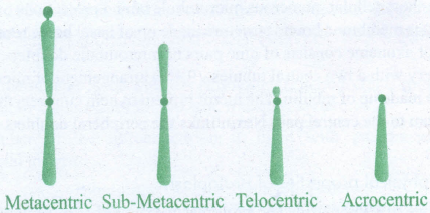
Explain the types of chromosomes based on the positon of centromere.
2.
How do the grana in chloroplast form? Mention their structure and function.
3.
Enumerate the functions of cell wall.
4.
Explain Endocytosis.
5.
What are Mesokaryotes?
6.
List out the function of cell wall
7.
Name the four sites in plant cells where ribosomes are seen.
8.
What is Glyoxysomes?
9.
10.
What is solation and gelation?
1.
(i) Based oil the position of centromere, chromosomes are called telocentric (terminal centromere), Acrocentric (terminal centromere capped by telomere), Sub metacentric (centromere subterminal) and Metacentric (centromere median).
(ii) The eukaryotic chromosomes may be rod shaped (telocentric and acrocentric), L-shaped (sub-metacentric) and V-shaped (metacentric).
2.
(i) Grana (singular: Granum) are formed when many of these thylakoids are stacked together like pile of coins.
(ii) Light is absorbed and converted into chemical energy in the granum, which is used in stroma to prepare carbohydrates. Thylakoid contain chlorophyll pigments.
(iii) The chloroplast contains osmophilic granules, 70s ribosomes, DNA (circular and non histone) and RNA.
(iv) These chloroplast genome encodes approximately 30 proteins involved in photosynthesis including the components of photosystem I & II, cytochrome bf complex and ATP synthase.
(v) One of the subunits of Rubisco is encoded by chloroplast DNA.
(vi) It is the major protein component of chloroplast stroma, single most abundant protein on earth.
(vii) The thylakoid contain small, rounded photosynthetic units called quantosomes.
(viii) It is a semi-autonomous organelle and divides by fission.
3.
(i) Offers definite shape and rigidity to the cell.
(ii) Serves as barrier for several molecules to enter the cells.
(iii) Provides protection to the internal protoplasm against mechanical injury.
(iv) Prevents the bursting of cells by maintaining the osmotic pressure.
(v) Plays a major role by acting as a mechanism of defense for the cells.
4.
During endocytosis the cell membrane infolds around the material to form a vacuole and brings it into cytoplasm. There are two types of endocytosis:
1. Phagocytosis - Solid Particles are engulfed by membrane, which folds around it and forms a vesicle. The enzymes digest the material and products are absorbed by cytoplasm.
2. Pinocytosis - Fluid droplets are engulfed by membrane, by forming vesicles around them.
5.
1. In the year 1966, scientist Dodge and his coworkers proposed another kind of organisms called mesokaryotes. These organisms share some of the characters of both prokaryotes and eukaryotes.
2. These contain well-organized nucleus with nuclear membrane and the DNA is organized like eukaryotes and they have histone protein components and divide through amitosis similar with prokaryotes. Eg: Protozoa like Noctiluca, some phytoplanktons.
6.
The cell wall plays a vital role in holding several important functions given below
1. Offers definite shape and rigidity to the cell.
2. Serves as barrier for several molecules to enter the cells.
3. Provides protection to the internal protoplasm against mechanical injury.
4. Prevents the bursting of cells by maintaining the osmotic pressure.
5. Plays a major role by acting as a mechanism of defense for the cells.
7.
1. Occur free in the cytoplasm.
2. Attached to endoplasmic reticulum.
3. Inside Mitochondria.
4. Inside Chloroplast.
8.
1. Glyoxysome is a single-membrane-bound organelle.
2. It is a subcellular organelle and contains enzymes of glyoxylate pathway.
3. β-oxidation of fatty acid occurs in glyoxysomes of germinating seeds. Eg: Castor seeds.
9.
10.
The colloidal protoplasm which is in gel form can change into sol form by solation and the sol can change into gel by gelation.

11th Standard Syllabus & Materials
11th Standard
TN 11th Tamil பீடு பெற நில் - செய்யுள் - காவடிச்சிந்து Important Questions And Answers Study Material - QB365 Set A
NEW11th Standard
TN 11th Tamil பீடு பெற நில் - உரைநடை - மலை இடப்பெயர்கள் : ஓர் ஆய்வு Important Questions And Answers Study Material - QB365 Set A
NEW11th Standard
TN 11th Tamil மாமழை போற்றுதும் - துணைப்பாடம் - யானை டாக்டர் Important Questions And Answers Study Material - QB365 Set A
NEW11th Standard
TN 11th Tamil மாமழை போற்றுதும் - செய்யுள் - ஐங்குறுநூறு Important Questions And Answers Study Material - QB365 Set A



Tamilnadu Stateboard 11th Standard Subjects

Maths

Commerce

Economics
Biology

Business Maths and Statistics

Accountancy

Computer Science

Physics

Chemistry
Maths
Biology
Economics
Physics
Chemistry

History
Business Maths and Statistics

Computer Science
Accountancy

Computer Applications
History
Computer Technology
Commerce
Computer Applications
Computer Technology

Tamil

English

French
Tamilnadu Stateboard Standards

