
 100% FREE ACCESS
11th Standard Syllabus & Materials
11th Standard
TN 11th Tamil இயற்கை வேளாண்மை,சுற்றுச்சூழல் -செய்யுள் - மனோன்மணீயம் Important Questions And Answers Study Material - QB365 Set A
NEW11th Standard
TN 11th Tamil என்னுயிர் என்பேன் -துணைப்பாடம் - இசைத்தமிழர் இருவர் Important Questions And Answers Study Material - QB365 Set A
NEW11th Standard
TN 11th Tamil மொழி கலை -செய்யுள் - ஒவ்வொரு புல்லையும் Important Questions And Answers Study Material - QB365 Set A
NEW11th Standard
TN 11th Tamil பீடு பெற நில் - இலக்கணம் - பகுபத உறுப்புகள் Important Questions And Answers Study Material - QB365 Set A
NEW11th Standard
TN 11th Tamil பீடு பெற நில் - துணைப்பாடம் - வாடிவாசல் Important Questions And Answers Study Material - QB365 Set A
NEW11th Standard
TN 11th Tamil பீடு பெற நில் - செய்யுள் - குறுந்தொகை Important Questions And Answers Study Material - QB365 Set A

Published on: 13/05/2022
QB365 provides detailed and simple solution for every Creative Questions in class 11 Biology Subject. It will helps to get more idea about question pattern in every Creative questions with solution.
latest Creative QuestionsDownload Tamil Nadu 11th Standard Biology question papers, model tests, one-mark questions, important questions, and public exam papers in PDF format. Free study materials and answer keys for TN State Board students.
Questions + Answers key
Take MCQ Biology Test1.
Write down the steps involved in the preparation of blood smear?
2.
What are the conditions which can be diagnosed by MRI?
3.
Explain about PET.
4.
Write down the uses of CT?
5.
Write the steps involved in blood testing of glucose level using glucometer?
1.
The methodology for the preparation of blood smear is as follows.
1. Place a drop of blood on a clean glass slide about 1cm from one end
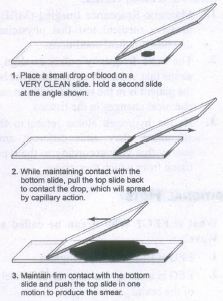
2.Using another glass slide placed at an angle of about 45° to the previous slide.
3.Spread the drop of blood quickly in one stroke as a thin film.
4. Stain the film using Leishman's stain.
5. Allow the slide to dry and wash the excess stain.
6. Observe the slide under a light microscope.
2.
1. Tumours of the chest, abdomen or pelvis.
2. Diseases of the liver; inflammatory bowel disease, heart problems, such as congenital heart disease.
3. Malformation of the blood vessels and inflammation of the vessels (vasculitis).
4. A foetus in the womb of a pregnant woman.
5. Visualising injuries, tom ligaments especially' in areas like wrist ankle or knee.
3.
1. PET is also. computerized imaging technique unlike CT.
2. Positron emission tomography (PET) is a nuclear medicine procedure based on the measurement of positron emission from radiolabelled tracer molecules.
3. These radiotracers allow biologic processes to be measured and whole-body images to be obtained which demonstrates sites of radiotracer accumulation.
4. A PET image gives quantitative regional information on the metabolic and physiological processes.
5. PET uses positron-emitting radioisotopes (llC 13N 150 18F) which are generated by the cyclotron.
6. The most common radiotracer in use today is 18F-fluorodeoxyglucose (18F-FDG) which is a radiolabelled sugar (glucose) molecule.
7. These atoms are then incorporated by chemical methods into biological molecules like glucose, amino acids and ammonia.
8. These positron-emitting compounds are then injected in very small amounts into or inhaled by experimental animals or human subjects.
9. The three-dimensional distribution of the labeled trace is then probed by powerful PET cameras and the images are reconstructed by a computer.
10. The quantitative interpretation of the image is done by varying mathematical models.
11. They deal with the process of uptake and metabolism of the radioisotope.
4.
1. CT gives a clear image of bone, soft tissues and blood vessels.
2. Helps in the diagnosis of injuries of the inner ears and sinuses.
3. To detect cancer, heart and lung disorders.
4. For diagnosis of spinal problems and skeletal injuries.
5. Helps to measure bone mineral density.
6. To detect stroke causing clots and hemorrhage in the brain
5.
A drop of blood is taken from the tip of the finger and placed on the disposable test strip. The meter reads the blood sample and displays the glucose level in the units of mgldL. Most glucometers are based on the electrochemical technology or colour reflectance principle.
Significance
1. Handy and portable
2. Immediate results, the results are displayed in approximately 40 seconds.
3. Requires no calculation.
4. No training is required for operating the instrument.
Normal Glucose Values in blood
Normal glucose value : 70 - 100 mg/dL
Random blood sugar : 80 -120 mg/dL
Fasting blood sugar : 70 - 110 mg/dL
Post - prandial blood sugar : 70 - 140 mg/dL.

11th Standard Syllabus & Materials
11th Standard
TN 11th Tamil பீடு பெற நில் - செய்யுள் - காவடிச்சிந்து Important Questions And Answers Study Material - QB365 Set A
NEW11th Standard
TN 11th Tamil பீடு பெற நில் - உரைநடை - மலை இடப்பெயர்கள் : ஓர் ஆய்வு Important Questions And Answers Study Material - QB365 Set A
NEW11th Standard
TN 11th Tamil மாமழை போற்றுதும் - துணைப்பாடம் - யானை டாக்டர் Important Questions And Answers Study Material - QB365 Set A
NEW11th Standard
TN 11th Tamil மாமழை போற்றுதும் - செய்யுள் - ஐங்குறுநூறு Important Questions And Answers Study Material - QB365 Set A



Tamilnadu Stateboard 11th Standard Subjects

Maths

Commerce

Economics
Biology

Business Maths and Statistics

Accountancy

Computer Science

Physics

Chemistry
Maths
Biology
Economics
Physics
Chemistry

History
Business Maths and Statistics

Computer Science
Accountancy

Computer Applications
History
Computer Technology
Commerce
Computer Applications
Computer Technology

Tamil

English

French
Tamilnadu Stateboard Standards



