
 100% FREE ACCESS
11th Standard Syllabus & Materials
11th Standard
TN 11th Tamil இயற்கை வேளாண்மை,சுற்றுச்சூழல் -செய்யுள் - மனோன்மணீயம் Important Questions And Answers Study Material - QB365 Set A
NEW11th Standard
TN 11th Tamil என்னுயிர் என்பேன் -துணைப்பாடம் - இசைத்தமிழர் இருவர் Important Questions And Answers Study Material - QB365 Set A
NEW11th Standard
TN 11th Tamil மொழி கலை -செய்யுள் - ஒவ்வொரு புல்லையும் Important Questions And Answers Study Material - QB365 Set A
NEW11th Standard
TN 11th Tamil பீடு பெற நில் - இலக்கணம் - பகுபத உறுப்புகள் Important Questions And Answers Study Material - QB365 Set A
NEW11th Standard
TN 11th Tamil பீடு பெற நில் - துணைப்பாடம் - வாடிவாசல் Important Questions And Answers Study Material - QB365 Set A
NEW11th Standard
TN 11th Tamil பீடு பெற நில் - செய்யுள் - குறுந்தொகை Important Questions And Answers Study Material - QB365 Set A

Published on: 10/10/2019
Zoology - Respiration
Download Tamil Nadu 11th Standard Biology question papers, model tests, one-mark questions, important questions, and public exam papers in PDF format. Free study materials and answer keys for TN State Board students.
Questions + Answers key
Take MCQ Biology Test1.
Why is pneumonia considered a dangerous disease?
2.
How the body make long term adjustments when living in high altitude.
3.
What will happen when a person trayels quickly from sea level to the elevation above 8000ft?
4.
Whot is 'bends' and how it is risky in scuba divers.
5.
Write short notes on nitrogen norcosis.
6.
How the blood transport the oxygen to the tissues.
7.
Write about the location of the lungs and its structure briefly .
8.
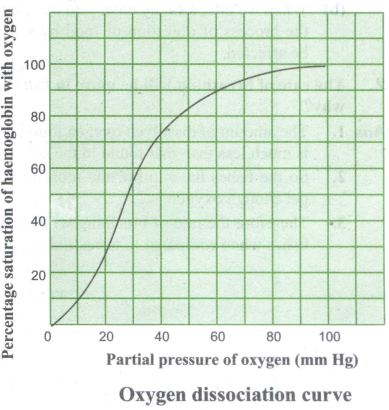
Draw an oxygen dissociation curve.
9.
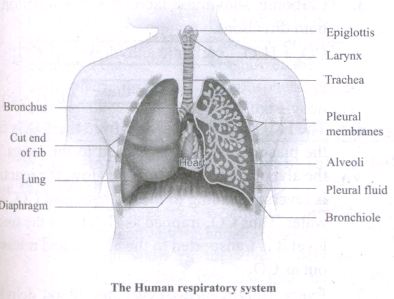
Draw the human respiration system and label any 4 parts.
10.
Write about the occupational respiratory disorder.
1.
Pneumonia is considered a dangerous disease because,
(i) It affects the respiratory system and causes shortness of breath. In severe cases it affects the oxygen, carbon dioxide exchange in the alveoli. This may lead to hypoxia (decrease of oxygen). Finally death also can happen.
(ii) Pneumonia causes cough and spread of infectious organism in air. This will lead to infection of other people nearby. Thus it will spread easily and affect many.
2.
Body makes long term adjustments when living in high altitude because in high altitudes the O2 content is low in atmosphere and by increasing more production of RBCs the adjustments of respiration are brought.
3.
When a person travels quickly from sea level to elevations above 8000ft, where the atmospheric pressure and partial pressure of oxygen are lowered, the individual responds with symptoms ' of acute mountain sickness (AMS) headache, shortness of breath, nausea and dizziness due to poor binding of O2 with haemoglobin.
4.
When the diver ascend's to the surface too quickly a condition called 'bends' or decompression sickness occurs and nitrogen comes out of solution while still in the blood forming bubbles. Small bubbles in the blood are not harmful, but large bubbles can lodge in small capillaries, blocking blood flow or can press on nerve endings. Decompression sickness is associated with pain in joints and muscles and neurological problems including stroke. The risk of nitrogen narcosis and bends is common in scuba divers.
5.
When a person descends deep into the sea, the pressure in the surrounding water increases which causes the lungs to decrease in volume. This decrease in volume increases the partial pressure of the gases within the lungs. This effect can be beneficial, because it tends to drive additional oxygen into the circulation, but this benefit also has a risk, the increased pressure can also drive nitrogen gas into the circulation .This increase in blood nitrogen content can lead to a condition called nitrogen narcosis.
6.
Molecular oxygen is carried in blood in two ways: bound to haemoglobin within the red blood cells and dissolved in plasma. Oxygen is poorly soluble in water, so only 3% of the oxygen is transported in the dissolved form. 97% of oxygen binds with haemoglobin in a reversible manner to form oxyhaemoglobin (HbO2). The rate at which haemoglobin binds with O2 is regulated by the partial pressure of O2. Each haemoglobin carries maximum of four molecules of oxygen. In the alveoli high pO2, low pCO2, low temperature and less H+ concentration, favours the formation of oxyhaemoglobin, whereas in the tissues low pO2, high pCO2, high H+ and high temperature favours the dissociation of oxygen from oxyhaemoglobin.
7.
(i) The lungs are light spongy tissues enclosed in the thoracic cavity surrounded by an airtight space.
(ii) The thoracic cavity is bound dorsally by the vertebral column and ventrally by the sternum, laterally by the ribs and on the lower side by the dome shaped diaphragm.
(iii) The lungs are covered by double walled pleural membrane containing a several layers of elastic connective tissues and capillaries, which encloses the pleural fluid. Pleural fluid reduces friction when the lungs expand and contract.
8.
9.
10.
(i) This disorders due to one's occupation in industries like grinding or stone breaking, construction sites, cotton industries, etc.
(ii) Dusts produced affects the respiratory tract.
(iii) Long exposure can give rise to inflammation leading to respiratory diseases like fibrosis, silicosis and asbestosis.
(iv) Inhalation of particle of silica from sand grinding and asbestos into the respiratory tract cause occupational respiratory disorders.
(v) Workers working in such industries must wear protective face masks to prevent these diseases.

11th Standard Syllabus & Materials
11th Standard
TN 11th Tamil பீடு பெற நில் - செய்யுள் - காவடிச்சிந்து Important Questions And Answers Study Material - QB365 Set A
NEW11th Standard
TN 11th Tamil பீடு பெற நில் - உரைநடை - மலை இடப்பெயர்கள் : ஓர் ஆய்வு Important Questions And Answers Study Material - QB365 Set A
NEW11th Standard
TN 11th Tamil மாமழை போற்றுதும் - துணைப்பாடம் - யானை டாக்டர் Important Questions And Answers Study Material - QB365 Set A
NEW11th Standard
TN 11th Tamil மாமழை போற்றுதும் - செய்யுள் - ஐங்குறுநூறு Important Questions And Answers Study Material - QB365 Set A



Tamilnadu Stateboard 11th Standard Subjects

Maths

Commerce

Economics
Biology

Business Maths and Statistics

Accountancy

Computer Science

Physics

Chemistry
Maths
Biology
Economics
Physics
Chemistry

History
Business Maths and Statistics

Computer Science
Accountancy

Computer Applications
History
Computer Technology
Commerce
Computer Applications
Computer Technology

Tamil

English

French
Tamilnadu Stateboard Standards

