
 100% FREE ACCESS
9th Standard Syllabus & Materials
9th Standard
TN 9th Tamil உள்ளத்தின் சீர் -கற்கண்டு (இலக்கணம்) - தொடர் இலக்கணம், ஆகுபெயர் Important Questions And Answers Study Material - QB365 Set A
NEW9th Standard
TN 9th Tamil உள்ளத்தின் சீர் -விரிவானம் (துணைப்பாடம்) - தாய்மைக்கு வறட்சி இல்லை! Important Questions And Answers Study Material - QB365 Set A
NEW9th Standard
TN 9th Tamil உள்ளத்தின் சீர் -கவிதை பேழை (செய்யுள்) - மார்கழி பெருவிழா Important Questions And Answers Study Material - QB365 Set A
NEW9th Standard
TN 9th Tamil உயிருக்கு வேர்-இலக்கணம் - பகுபத உறுப்பிலக்கணம் Important Questions And Answers Study Material - QB365 Set A
NEW9th Standard
TN 9th Tamil அமுதென்று பேர் - இலக்கணம்-எழுத்து -அளபெடை Important Questions And Answers Study Material - QB365 Set A
NEW9th Standard
TN 9th Tamil அமுதென்று பேர்-துணைப்பாடம் - ஆறாம்திணை Important Questions And Answers Study Material - QB365 Set A

Published on: 20/09/2019
Download Tamil Nadu 9th Standard Social Science question papers, model tests, one-mark questions, important questions, and public exam papers in PDF format. Free study materials and answer keys for TN State Board students.
Questions + Answers key
Take MCQ Social Science Test
1.
Which part of the constitution of India says about the election commission?
Part III
Part XV
Part XX
Part XXII
2.
Former Soviet Union is an example for _________.
aristocracy
theocracy
oligarchy
republic
3.
Tri-ratnas are the three principles taught by
Buddha
Mahavira
Lao-tze
Confucius
4.
Which one of the following is not a depositional feature of a glacier?
cirque
Moraines
Drumlins
Eskers
5.
The Sumerian system of writing
Pictographic
Hieroglyphic
Sonogram
Cuneiform
6.
Direct ancestor of modern man was ______.
Homo habilis
Homo erectus
Homo sapiens
Neanderthal man
7.
Employment pattern changes due to ________________
8.
In India _______ party system is followed.
9.
The two types of democracy are _______ and ________.
10.
_______ refers to systematically digging a site to recover material evidence for exploring societies of the past.
11.
______ specifies the Laws related to various crimes in ancient Babylonia.
12.
Hand axes and cleavers are the important tool types of the ______ culture.
13.
What are the different types of rainfall?
14.
Define atmosphere.
15.
Elaborate the term “Tri-ratnas”.
16.
Agriculture was one of the main sources of subsistence in Sangam Age. Give reasons
17.
What are ox-bow lakes?
18.
State the salient features of the Ziggurats.
19.
List out the features of Megalithic Burial types.
20.
Land breeze and sea breeze
21.
Core and crust
22.
Discuss merits and demerits of democracy.
23.
Discuss the multi-party system.
24.
How does democracy lead to a peaceful and a harmonious life among the citizens? Explain.
25.
Discuss the five cardinal principles of Confucius.
26.
What is ‘Solar Power’?
27.
Mention the forms of democracy.
28.
Mushroom rock
29.
Right to vote
30.
Zend Avesta
31.
Pastoralism
32.
Gilgamesh
1.
(b)
Part XV
2.
(c)
oligarchy
3.
(b)
Mahavira
4.
(a)
cirque
5.
(d)
Cuneiform
6.
(c)
Homo sapiens
7.
()
lifestyle of the people
8.
()
Multi
9.
()
Direct democracy, Indirect democracy
10.
()
Archaeological excavations
11.
()
Hammurabi's law code
12.
()
Middle Palaeolithic
13.
Based on the mechanisms of raising the air, there are three types of rainfall.
(i) Convectional rainfall
(ii) Frontal (or) cyclonic rainfall
(iii) Orographic rainfall
14.
(i) The blanket of air that surrounds the Earth is called the atmosphere.
(ii) It is held close to the earth by gravitational attraction.
(iii) Atmosphere plays on important role in predicting weather phenomenon.
(iv) It is a mixture of gases, water vapour and dust particles in different proportion.
15.
The three principles of Jainism are known as Tri-ratnas. They are Right faith, Right knowledge, Right action.
16.
1. Agriculture was one of the main sources of subsistence.
2. Both wet and dry land farming were practiced.
3. In the riverine and tank-irrigated areas, paddy was cultivated.
4. Millets were cultivated in dry lands.
17.
(i) Meanders in due course of time become almost a complete circle with narrow necks
(ii) This in turn gets abandoned and forms a lake. This is called an Ox-bow lake
18.
1. The Ziggurats were at the city centre on a platform and appeared like steep pyramids, with staircases leading to the top.
2. Around this temple were complexes of ceremonial courtyards, shrines, burial chambers for the priests and priestesses, ceremonial banquet halls, along with workshops, granaries storehouses and administrative buildings.
19.
1. In Megalithic period people buried the dead bodies with grave goods in the cists.
2. Urns or pottery jars were used for burning the dead and also they used sarcophagi made of terracotta.
3. Dolmens, table like stone structures were erected as funerary monuments. Menhirs pillar are like stones erected as part of the burials or memorials.
4. Port holes are holes found in the cists and dolmens on one side.
20.
| S.No. | Land Breeze | Sea Breeze |
| (i) | During the night, the land cools more rapidly than the ocean. |
During the day the land masses get heated more rapidly than the oceans. |
| (ii) | Cool air sinks and forms high pressures. | Heated air ascends and this causes low pressure on the adjoining ocean. |
| (iii) | The wind blows from land to sea during the night this is called land breeze. |
The wind blows from ocean to land in the afternoon. This is called Sea breeze. |
21.
| S.No | Core | Crust |
| (i) | The core is the innermost and hottest layer of the Earth. |
Crust is the outer layer of the Earth where we live. |
| (ii) | It lies below the mantle. | It ranges between 5 to 30 km. |
| (iii) | It is composed mainly of Nickel and Iron. | It is the solid and rigid layer of the Earth. |
| (iv) | Hence it is called NIFE. | The elements of the crust are Silica and Aluminium. It is termed as SIAL. |
22.
(i) Democracy is the government of the people by the people and for the people.
(ii) People can elect the leader of their choice.
(iii) All the people can enjoy equal rights.
23.
Merits:
(i) In a huge population country all the people can be represented by multiple parties.
(ii) Particular groups can form their own parties.
(iii) People will have multiple options to vote.
Demerits:
(i) Votes will be scattered.
(ii) It will develop groupism.
(iii) When there is absolute majority there will be coalition government.
24.
(i) In democracy Fundamental Rights are safeguarded to all the people.
(ii) All the People have equal rights.
(iii) People from all walks of life are treated equally.
(iv) People can elect their own leader.
25.
(i) Five cardinal principles of Confucius Ethics are Humaneness, Righteousness propriety, wisdom, and trustworthiness.
(ii) Confucius said that wisdom grows from the family.
(iii) The foundation of society is the disciplined individual in an orderly family.
(iv) The superior man according to him is not merely intelligent or scholarly but his character should be exemplary.
(v) The superior man of Confucius possesses three virtues; intelligence, courage and good will.
(vi) He clearly proposed that when the command is wrong a son should resist his father and a minister should resist the prince.
(vii) He said that there are three requisites for government. "They are sufficiency of food, sufficiency of military equipment and confidence of the people in their ruler.
26.
(i) Solar power is the conversion of energy from sunlight into electricity either directly using photovoltaic cells or indirectly using concentrated solar power.
(ii) Solar panels absorb the sunlight as a source of energy to generate electricity.
(iii) A solar electric system can reliably produce electricity for our home and offices.
27.
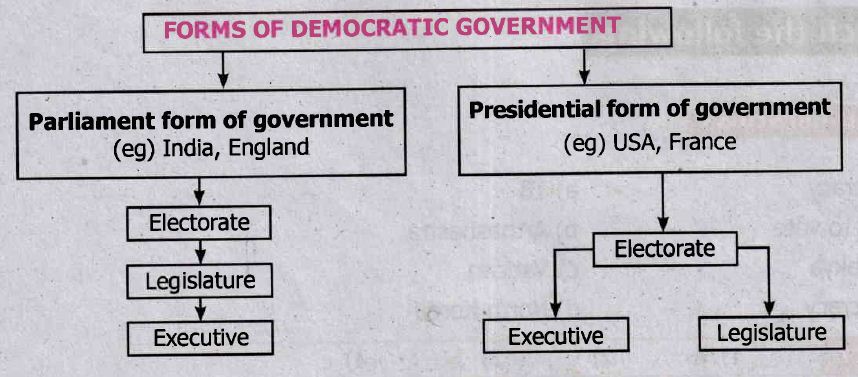
28.
Aeolian process
29.
18
30.
sacred literature of laws and myths
31.
nomadic people earning livelihood by rearing cattle.
32.
The oldest written story on Earth

9th Standard Syllabus & Materials
9th Standard
TN 9th Tamil உள்ளத்தின் சீர் - திருக்குறள் Important Questions And Answers Study Material - QB365 Set A
NEW9th Standard
TN 9th Tamil உள்ளத்தின் சீர் - மணிமேகலை Important Questions And Answers Study Material - QB365 Set A
NEW9th Standard
TN 9th Tamil உள்ளத்தின் சீர் - ஏறு தழுவுதல் Important Questions And Answers Study Material - QB365 Set A
NEW9th Standard
TN 9th Tamil உயிருக்கு வேர் - தண்ணீர் Important Questions And Answers Study Material - QB365 Set A



Tamilnadu Stateboard 9th Standard Subjects
Tamilnadu Stateboard Standards




