
 100% FREE ACCESS
9th Standard Syllabus & Materials
9th Standard
TN 9th Tamil உள்ளத்தின் சீர் -கற்கண்டு (இலக்கணம்) - தொடர் இலக்கணம், ஆகுபெயர் Important Questions And Answers Study Material - QB365 Set A
NEW9th Standard
TN 9th Tamil உள்ளத்தின் சீர் -விரிவானம் (துணைப்பாடம்) - தாய்மைக்கு வறட்சி இல்லை! Important Questions And Answers Study Material - QB365 Set A
NEW9th Standard
TN 9th Tamil உள்ளத்தின் சீர் -கவிதை பேழை (செய்யுள்) - மார்கழி பெருவிழா Important Questions And Answers Study Material - QB365 Set A
NEW9th Standard
TN 9th Tamil உயிருக்கு வேர்-இலக்கணம் - பகுபத உறுப்பிலக்கணம் Important Questions And Answers Study Material - QB365 Set A
NEW9th Standard
TN 9th Tamil அமுதென்று பேர் - இலக்கணம்-எழுத்து -அளபெடை Important Questions And Answers Study Material - QB365 Set A
NEW9th Standard
TN 9th Tamil அமுதென்று பேர்-துணைப்பாடம் - ஆறாம்திணை Important Questions And Answers Study Material - QB365 Set A

Published on: 18/01/2019
Class 9- Science - Environmental Science - Short Answers
Download Tamil Nadu 9th Standard Science question papers, model tests, one-mark questions, important questions, and public exam papers in PDF format. Free study materials and answer keys for TN State Board students.
Questions + Answers key
Take MCQ Science Test1.
What is IUCN? What is the vision of IUCN?
2.
What are the uses of recycled water?
3.
What is grey water?
4.
List some of the ways in which you could save water in your home and school?
5.
Why is it important to conserve water?
6.
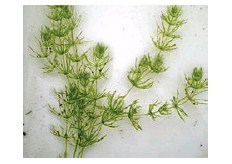
Identify the given plant. How does it adapt itself to its habitat?
7.
What are the challenges faced by hydrophytes in their habitat?
8.
What is adaptation?
9.
How do human activities affect nitrogen cycle?
10.
According to you, which process of water cycle is adversely affected by human activities?
11.
What are the two factors of biosphere?
12.
Farm ponds serve as an excellent water conservation strategy. Why is it impossible for all farmers to construct it in their fields?
13.
Echolocation serves as an adaptation in bats. Justify the given statement.
14.
Why streamlined bodies and presence of setae is considered as adaptations of earthworm?
15.
Roots grow very deep and reach the layers where water is available. Which type of plants develops the above adaptation? Why?
1.
1. IUCN is an International organization working in the field of nature conservation and sustainable use of natural resources.
2. It provides public, private and non-governmental organisations with the knowledge to enable human progress, economic development and nature conservation to take place together.
Vision of IUCN:
The vision of IUCN is 'A just world that values and conserves nature'.
2.
Recycled water is useful in,
1. Agriculture
2. Golf course irrigation
3. Toilet flushing
4. Landscape
5. Cooling water for power plants and oil refineries
6. Dust control
7. Public parks
8. Construction activities.
3.
Grey water is reusable wastewater from residential, commercial and industrial, bathroom sinks, bathtub, shower drains and washing of clothes.
4.
At home, we can conserve water by
1. Using a bucket of water to take bath rather than taking a shower.
2. Using low flow taps.
3. Using recycled water for lawns.
4. Repairing the leaks in the taps.
5. Recycling or reusing water wherever it is possible.
At school we could save water by
1. Collecting rooftop water through, rainwater harvesting methods.
2. Creating awareness on water conservation by sticking posters of slogans near the taps.
3. Using recycled water for lawns.
4. If not using any tap turn it off.
5. Report leaks. Make it a classroom activity to check for leaks regularly.
6. Bring a water bottle to school, At the end of the day, any leftover water can be poured onto the garden.
5.
1. It creates more-efficient use of water resources.
2. It ensures that we have enough usable water.
3. It helps in decreasing water pollution.
4. It helps in increasing energy saving.
6.
The plant is identified as Chara, a hydrophyte, commonly called as stonewort. They are multicellular grey-green algae living under fresh water.
Adaptation:
They have stem-like and leaf-like structure, they are adapted to protect the plant from excessive light. Their growth based orientation towards light functioning as a mechanism to protect them from excessive light.
7.
i) Availability of more water than needed.
ii) Water current may damage the plant body.
iii) Water levels may change regularly.
iv) Maintain buoyancy in water.
8.
Any feature of an organism or its part that enables it to exist under conditions of its habitat is called adaptation.
9.
Burning fossil fuels, application of nitrogen-based fertilizers and other activities can increase the amount of biologically available nitrogen in an ecosystem. Nitrogen applied to agricultural fields enters rivers and marine systems. It alters the biodiversity, changes the food web structure and destroys the general habitat.
10.
Major human activities affecting the water cycle on land are urbanisation, dumping of plastic waste on land and into water, polluting water bodies and deforestation.
11.
i) Biotic or living factors which include plants, animals and all other living organisms.
ii) Abiotic or non-living factors which include temperature, pressure, water, soil, air and sunlight.
12.
1. Some farmers, due to lack of awareness or their preoccupation with old and traditional practices, they are generally reluctant to adopt any new ideas and the challenge is to change their mindset.
2. Farm pond occupy a large portion of farmers lands, it reduces their cultivating land.
3. Farm ponds reduce water flow to other tanks and ponds situated in lower-lying area.
4. Though farm ponds help the farmers to store water and to use it for irrigation, it's cost of excavation may not be affordable for poor farmers.
13.
1. Bats are not blind, but to fly around and hunt for insects in the dark, they use a remarkable high frequency system called echolocation.
2. Bats give out high frequency sounds. i.e. ultrasonic sounds, which are reflected back from its prey and perceived by the ear. Bats use these echoes to locate and identify the prey.
14.
1. The earthworm has a cylindrical, elongated and segmented body. This helps them to live in narrow burrows underground and for easy penetration into the soil.
2. Each segment or section has muscles and bristles called setae.
3. The bristles or setae help to anchor and control the worm when moving through soil.
4. The bristles hold a section of the worm firmly into the ground - while the other part of the body protrudes forward.
15.
These plants are xerophytes because to absorb as much water as they can get from the surroundings.

9th Standard Syllabus & Materials
9th Standard
TN 9th Tamil உள்ளத்தின் சீர் - திருக்குறள் Important Questions And Answers Study Material - QB365 Set A
NEW9th Standard
TN 9th Tamil உள்ளத்தின் சீர் - மணிமேகலை Important Questions And Answers Study Material - QB365 Set A
NEW9th Standard
TN 9th Tamil உள்ளத்தின் சீர் - ஏறு தழுவுதல் Important Questions And Answers Study Material - QB365 Set A
NEW9th Standard
TN 9th Tamil உயிருக்கு வேர் - தண்ணீர் Important Questions And Answers Study Material - QB365 Set A



Tamilnadu Stateboard 9th Standard Subjects
Tamilnadu Stateboard Standards





